Small Repairs That Prevent Expensive Property Damage Later
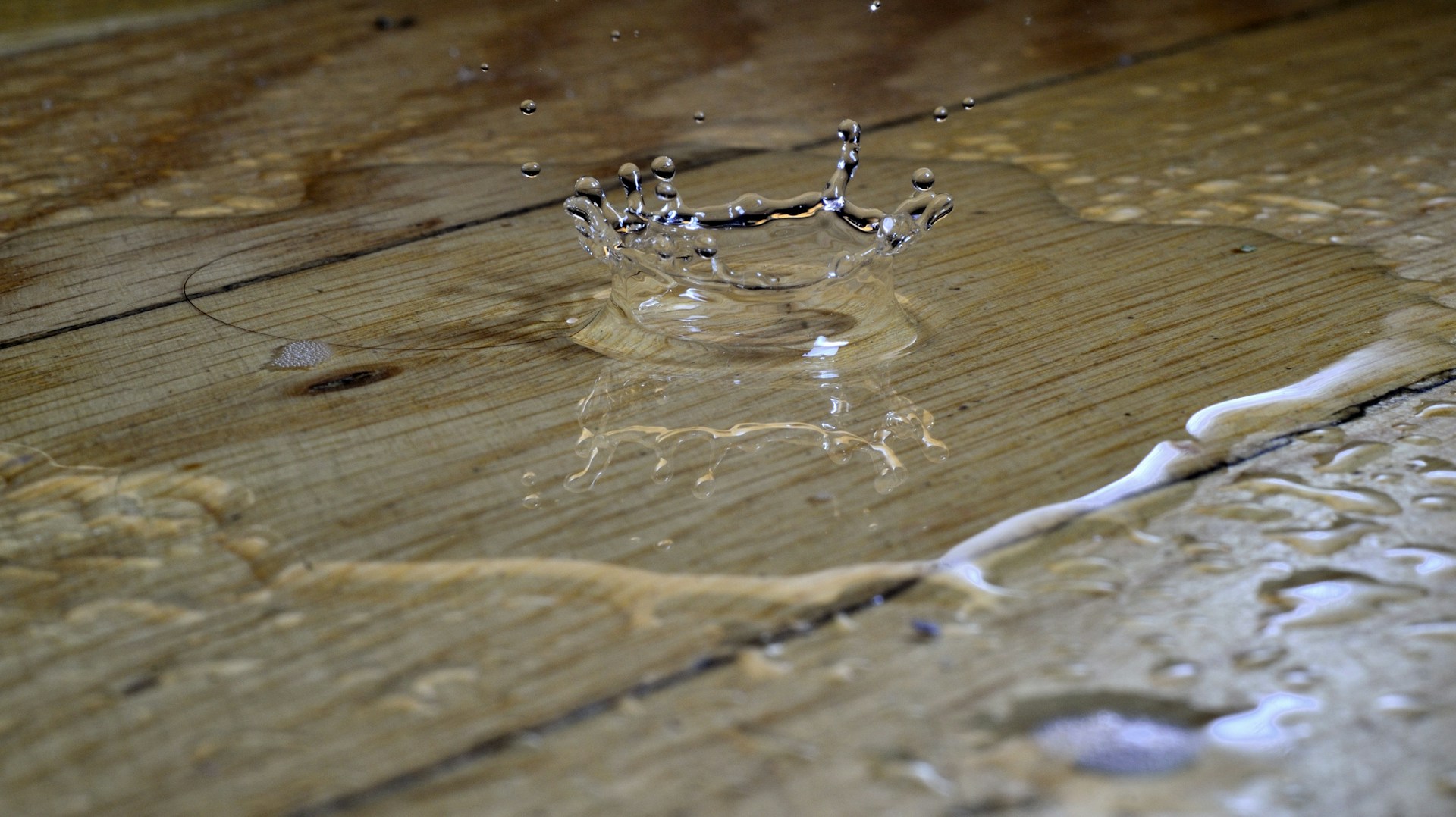
Want to protect your property without spending a fortune?
Very little damage comes in through the door wrecking your home. Most of it slips in casually. The drip under the sink. The cold shower on Tuesday morning. The crack in the caulk in the bathtub.
Small stuff. Very easy to ignore.
The problem is those small incidents can lead to five-figure repair bills. Water damage accounted for 22.6% of home claims from 2019 to 2023. It was only outranked by wind and hail.
The good news?
Most of it is preventable. And the maintenance that prevents it is typically inexpensive, fast and, frankly, kind of dull.
What you'll uncover:
- Why Tiny Repairs Save Serious Money
- The No Hot Water Fix That Can't Wait
- Everyday Repairs That Stop Big Damage
- Building A Simple Inspection Habit
Why Tiny Repairs Save Serious Money
Here's the part most property owners get wrong...
They always compare price of small repair vs. doing nothing. That's not comparing apples to apples. You need to compare small repair vs. big restoration bill.
And it's not a small bill either. Professional water damage restoration costs averages $3,833 after a leak penetrates flooring, drywall and framing.
A $150 valve replacement suddenly looks like a bargain.
No Hot Water? Don't Just Wait It Out
This scenario plays out in thousands of homes every single week.
You turn your shower on and receive nothing but cold. Most folks see it as an inconvenience instead of an omen. Flip the breaker, relight the pilot, say a naughty word and go about your day.
That's a mistake.
When your water heater quits heating, something inside the tank has failed. It could be a burned out heating element. A faulty thermocouple. Or sediment build-up so thick on the bottom of the tank, the burner can't ignite.
Why should you care: corrosion and sediment will kill your heat, eventually corrode right through the tank wall. When a 50 gallon tank ruptures, you get 50 gallons of mess on the floor.
No, the smartest thing you can do if you have no hot water is not push a reset button. The smartest thing to do is get an accurate assessment of what failed. Scheduling water heater repair while the unit is just experiencing problems costs a fraction of an emergency tank replacement, and a fraction of what replacing soaked cabinets and subfloor will be.
Warning signs that your water heater needs attention:
- Water that runs lukewarm instead of hot
- Rusty or discoloured hot water
- Popping or rumbling noises from the tank
- Damp patches or rust at the base of the unit
Any of those showing up? Get it looked at now, not in six months.
Drips, Runs And Trickles
A dripping tap feels harmless. It isn't.
The EPA says the average household wastes 10,000 gallons a year due to easy-fix leaks. They even have a Fix A Leak Week. One running toilet can waste 200 gallons per day.
But the wasted water is only half the story...
Drips cause standing moisture in cupboards, behind toilets and under sinks. Moisture soaks into particle board, warps the base, and creates the perfect damp, dark conditions mold thrive on. By the time you smell it, the cupboard is ruined and the subfloor underneath is soft.
The fix is usually tiny:
- A new tap washer or cartridge
- A replacement toilet flapper
- Tightening or resealing a P-trap
Most of those cost less than a takeaway meal.
Seals, Caulk And Grout
Now here's something almost nobody checks...
The caulk around your bath, shower base and worktops creates a waterproof seal. It's the only thing preventing shower water from leaking behind tiles and into the wall cavity.
Caulk has a limited lifespan. It shrinks, cracks and pulls away from surfaces. Grout crumbles away. Once there is a gap every shower sends more water into the wall.
Months pass with no visible damage. Suddenly you notice a stain on the ceiling below. By then its time to replace framing, not sealant.
Run your finger along all of the seals throughout the bathroom every six months. If it's cracked, peeling or discoloured, remove it and replace it.
Slow Drains And Blocked Gutters
Slow drains are a warning, not a personality quirk of your plumbing.
A slow draining drain is a drain that is partially clogged. Partial clogs lead to full clogs. Full clogs backup water across your floor inside your shower or toilet. Address the mild clog with a good cleaning instead of dumping harsh chemicals down the drain every couple weeks.
Same logic applies outside...
Clogged gutters force rainwater over the lip and down onto your walls and foundation. This causes soggy walls, cracked foundations and flooded basements. Cleaning gutters twice a year prevents it.
Supply Lines And Shut-Off Valves
Those braided hoses feeding your washing machine, dishwasher and toilets? They have a lifespan.
Rubber ones usually last five years. Stainless steel braided ones last longer but not forever. When they blow up with nobody home...they don't leak. They spray away at mains pressure for hours.
Do these two things:
- Replace supply hoses on a schedule instead of waiting for failure
- Make sure all shut-off valves actually work when you need them to
Number two keeps getting skipped. A frozen valve turns an easily controlled leak into a real flood during an emergency, as no one can shut off the water.
Building A Simple Inspection Habit
None of this works as a one-off.
It's not that lucky property owners don't get landed with massive repair bills. They just check regularly. Twenty minutes, four times a year. Walking round with a torch.
Check these spots every quarter:
- Under every sink
- Around the base of the water heater
- Behind the washing machine and dishwasher
- Ceilings below bathrooms
- The seal around every bath and shower
Check for wet stains, rust, staining and odours that are musty. Note any findings and schedule repair that week.
Bringing It All Together
Damage that's expensive to repair rarely results from a single catastrophic event. Rather, it results from some minor issue that was allowed to grow into something major.
To recap the essentials:
- Treat a no hot water fix as urgent, not optional
- Sort drips and running toilets the week you notice them
- Redo cracked caulk before water gets behind the tiles
- Clear slow drains and gutters twice a year
- Replace ageing supply hoses and test your shut-off valves
- Walk the property with a torch every quarter
None of these repairs are sexy. None of them are very expensive by themselves. It's the sum total that's the difference between a $150 service call and a $15,000 insurance claim.
Start with whatever is dripping, leaking or running cold right now.