Buying a Rental Property in an HOA: Questions to Ask First

When you're buying a rental property, you're obviously going to check things like the purchase price and location. However, there's one really important factor that can affect whether your property actually works as an investment, and that's the HOA. Thus, don't jump into buying a property until you know exactly how the association works, and whether any rules could affect your rental.
Why Buying a Rental Property in an HOA Requires More Due Diligence?
Getting a property in an HOA is more than just buying a home; you're basically agreeing to follow the association's rules. These rules can span everything from leasing and tenant approval to parking, pets, renovations, and property maintenance.
More importantly, some HOA rules can directly affect your rental income. For example, your association could limit how many rental homes you can rent out, or even prohibit short-term rentals altogether. You need to be very thorough when reviewing the HOA's governing documents before you commit to the purchase. Luckily, a professional HOA property management company can give buyers clear visibility into upcoming capital projects.
Unfortunately, if you don't verify HOA rules and regulations before buying a property, you might face hefty fines if there happen to be any prohibitions down the line. Thus, you should take the time to investigate these issues now so you can decide whether the property actually fits your investment plans or not
Top 4 Questions to Ask Before Buying a Rental in HOA
Does the HOA Allow Rental Properties?
A key thing you'll need to confirm when buying a rental in an HOA is if the association allows owners to rent out their properties. Sometimes associations have rental caps, which limit the number or percentage of homes that you can lease at one time.
Additionally, an HOA may need you to live in the property for a certain period before you rent it out. If you're planning to use the property as a short-term rental, you'll also need to confirm that this type of arrangement is permitted.
How Much Are the HOA Fees and Are Special Assessments Expected?
The next thing you should do is find out exactly how much you'll be paying in regular HOA fees and what those fees cover. It's true that the monthly amount may seem manageable, but it's still good if you know whether dues have increased recently or are expected to rise.
You should also review the HOA's budget and reserve funds, because a community with healthy reserves may be better prepared for future repairs, while one with weak reserves could increase the risk of unexpected assessments.
Are There Upcoming Repairs or Capital Projects?
Before you buy a property, you should ask whether the HOA has any major repairs or capital projects in the works, such as roof replacements or improvements to any shared facilities, because this information will come in handy later on.
Moreover, try to find out how these projects will be paid for and whether you'll be responsible for additional costs, because you really don't want any news of a large assessment to be sprung on you.
What Rules Apply to Landlords and Tenants?
Lastly, you'll want to understand what rules apply to you, and what rules apply to your tenants. For starters, you should ask whether your tenants need to be approved by the HOA and whether you'll need to submit any lease documents or other information before they move in. In addition, you should check all the rules concerning things such as parking, pets, guests, noise, and so on. That's because these requirements affect which tenants you're able to accept and how you'll manage the property.
Most importantly, find out the consequences of violating rules. The moment you understand how things are enforced, you'll be better equipped to avoid problems once your rental is occupied. Failing to verify HOA rules and regulations before closing can leave landlords facing hefty fines if there are prohibitions.
Additional Documents to Request During Due Diligence
HOA Governing Documents
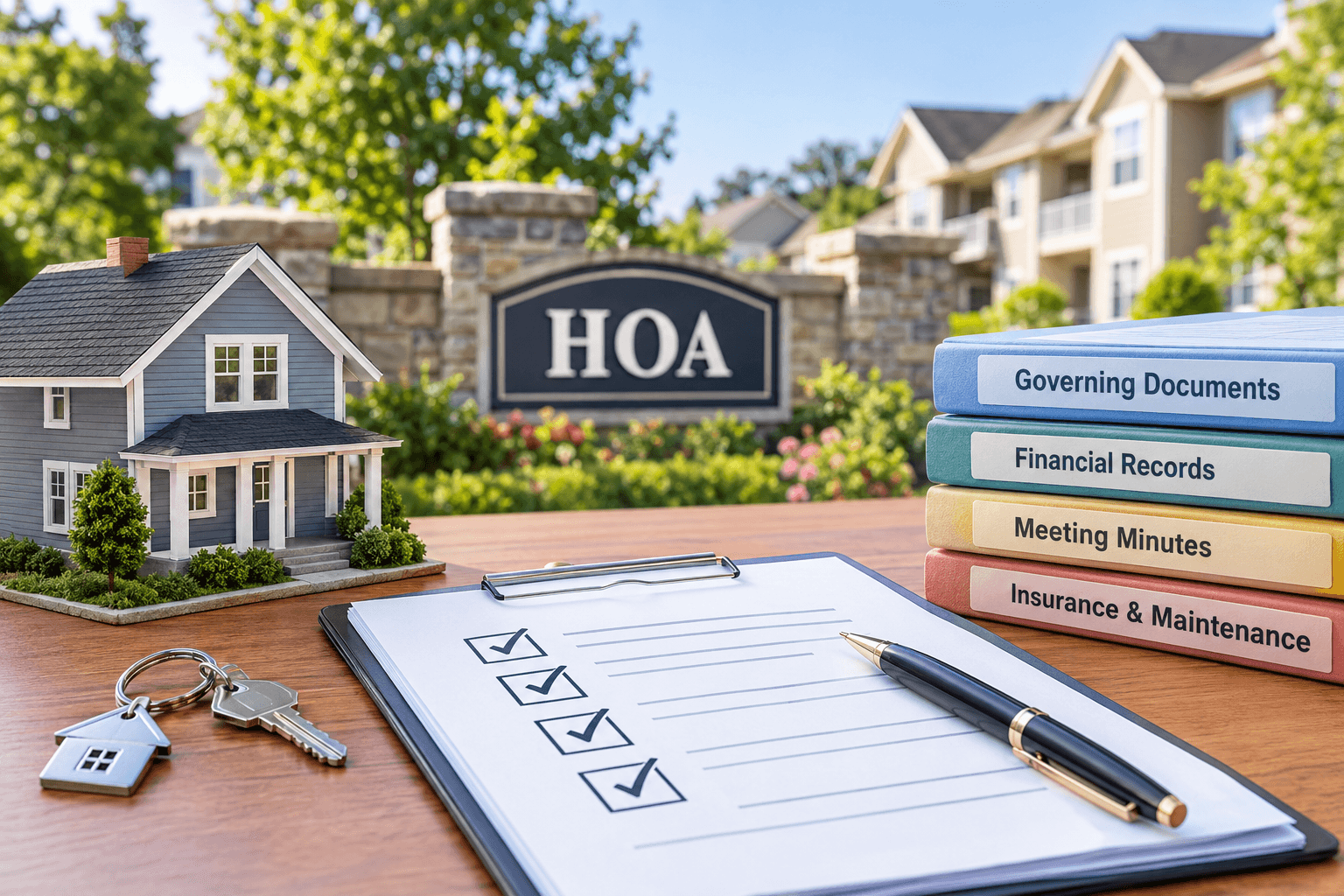
Now, some major documents you'll need for due diligence are the HOA governing documents. These include documents such as the HOA's declaration, bylaws, covenants, conditions and restrictions (CC&Rs), and current rules and regulations. Essentially, these documents show you exactly what's permitted and restricted as a homeowner.
Financial Records
Next, review the HOA's current budget, recent financial statements, reserve information, and records of special assessments. By doing this, you're putting yourself in a much better position to understand the association's financial position and identify potential expenses before you buy.
HOA Meeting Minutes
You should also ask for recent meeting minutes, especially those from the past year or two. These'll reveal discussions about upcoming projects, disputes, fee increases, rule changes, or other issues that may not be obvious from the governing documents.
Insurance and Maintenance Information
Finally, ask for information about the HOA's insurance coverage and maintenance responsibilities. That's because you'll want to know which parts of the property the HOA maintains and which costs will fall on you as the owner.
Conclusion
Buying a rental property in an HOA involves much more than checking the property's price. Thus, before you close, make sure you understand all the HOA's rental rules, costs, and responsibilities. By having foresight, you'll be better equipped to avoid expensive surprises and decide whether the property is the right investment for you.