Replacing Rental Floors Before Boston's September 1 Rush
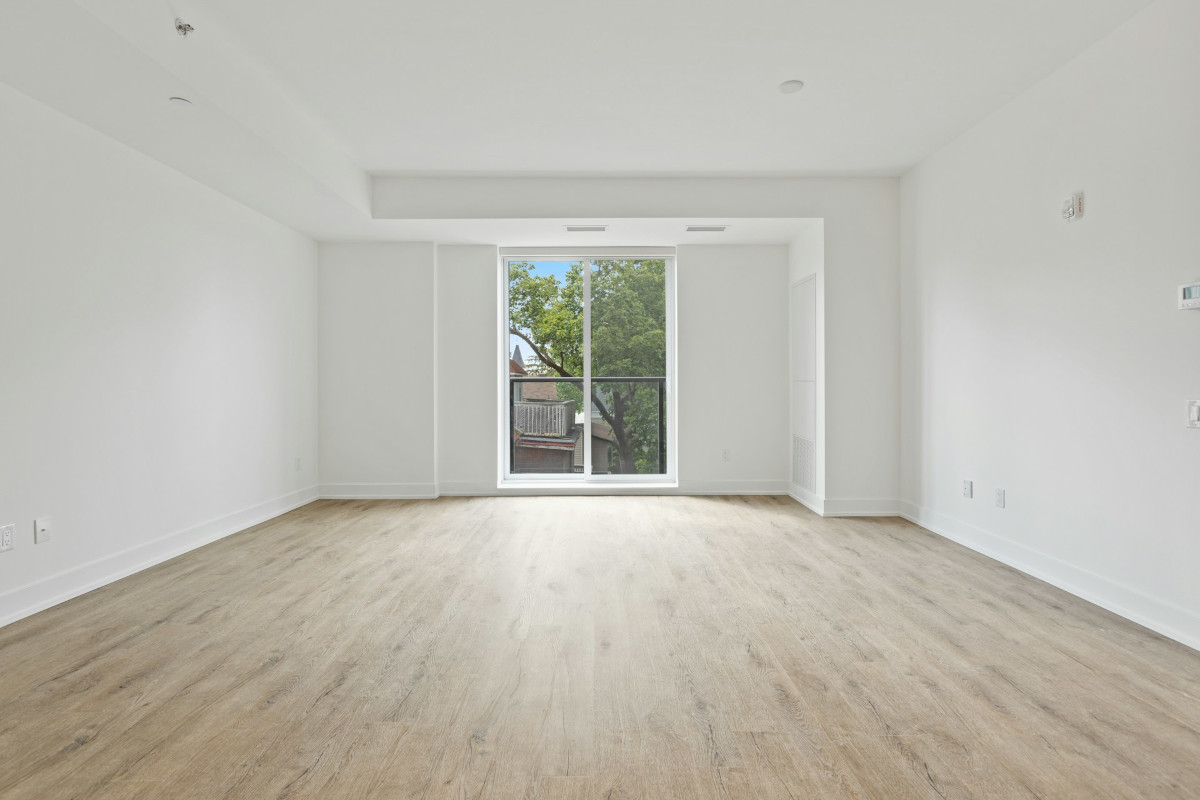
Boston runs on a lease calendar few other cities share. A large slice of apartments changes hands around September 1, when students and young professionals move at once. For landlords, that leaves a short summer window to fix anything a departing tenant wore out.
Floors are usually the slowest item on that list. More owners now replace scuffed strip oak or tired carpet with layered wood flooring, a board with a real hardwood top bonded to a stable core. It installs faster than site-finished solid wood and copes better with New England seasons.
Why Is the Floor the Hardest Part of a Boston Turnover?
Floors block every other trade. Painters, cleaners and plumbers can share a unit, but nobody walks on fresh finish. A site-finished solid floor needs sanding, several coats and drying days between them.
In August, that schedule collides with everything else. Contractors are booked, elevators are reserved for move-outs, and parking permits for trucks run short. A floor job that slips three days can push a tenant's move-in past the lease start. That costs goodwill and sometimes prorated rent.
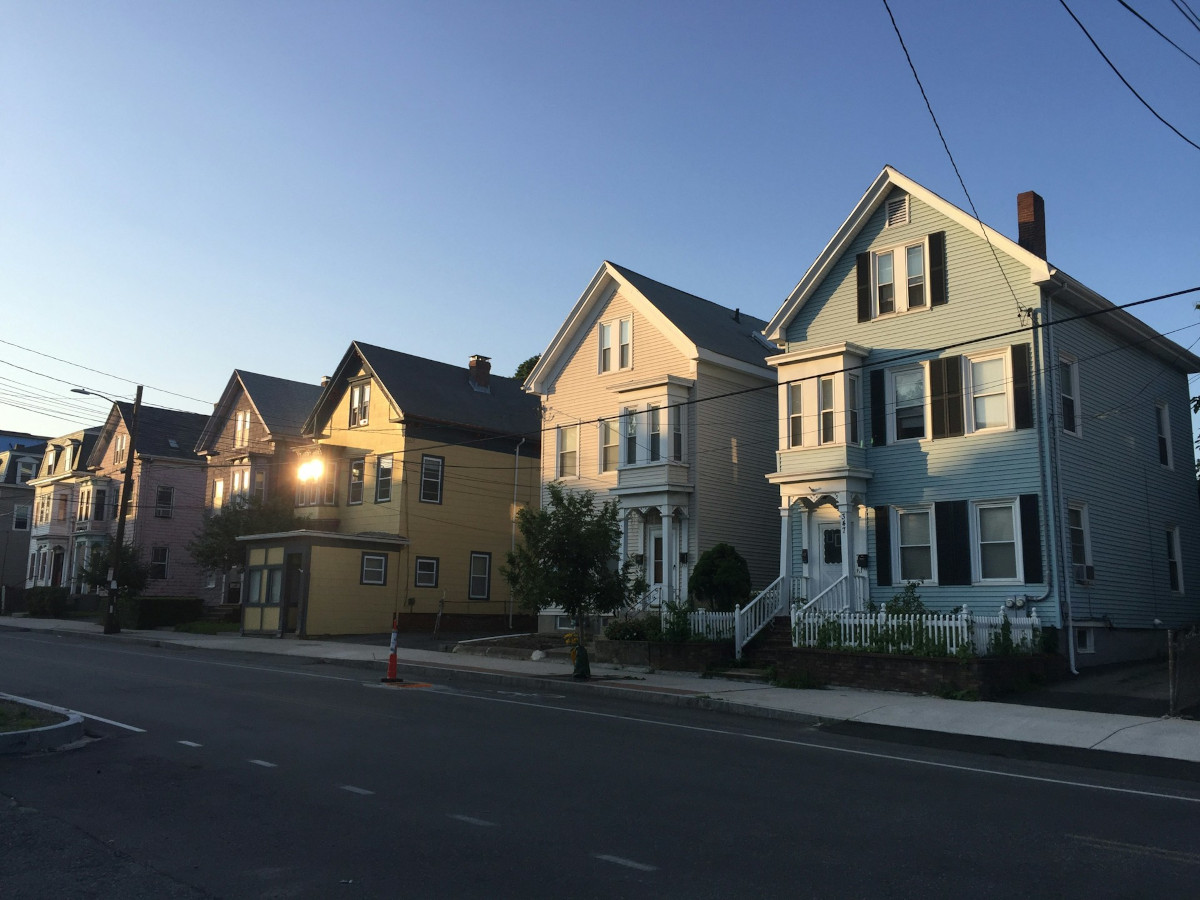
Older buildings add another layer. Many Boston triple-deckers and brick walk-ups predate 1978, so lead paint rules can shape how much sanding and demolition is wise.
What Makes Layered Boards Different From Solid Oak?
Engineered hardwood is a plank built in layers. A hardwood wear layer sits on top of cross-stacked plywood or a similar core. The layers pull against each other, so the board moves less when humidity changes.
That matters in Boston. Steam radiators can drop indoor humidity below 30% in January, and July can push it past 60%. Solid boards shrink and swell through that cycle, opening gaps in winter and cupping in summer. Engineered boards are built to resist moisture and climate swings better than solid hardwood.
Many engineered floors also come prefinished. The crew installs them and the room is usable almost immediately. There is no sanding dust and no wait for the finish to cure.
What Do Condo Rules and Downstairs Neighbors Expect?
If your unit sits in a condo building, the association may have a say before any board goes down. Read the master deed and rules first. Common requirements in older buildings include:
- Written approval from the board or manager before work starts.
- A sound-control underlayment under hard floors in upper units.
- Rugs covering a share of the floor in living areas.
- Set work hours for loud jobs, often weekdays only.
- A contractor's certificate of insurance on file.
- Elevator pads and a booked loading window for deliveries.
Noise complaints are the reason most of these rules exist. Hard floors carry footsteps to the unit below far more than carpet does. Underlayment is a thin cushioning layer that dampens impact sound. A good underlayment and a written approval protect you from a dispute that outlasts the lease.
How Does the Lead Law Change Floor Work In Older Units?
Massachusetts treats lead paint seriously, and rental owners carry the duty. The lead law overview from the Boston Housing Authority explains that owners of pre-1978 homes must address lead hazards where children under 6 live.
Floor jobs can disturb old paint on baseboards, thresholds and trim. Aggressive sanding near painted surfaces can spread dust through the unit. Ask whether your contractor holds lead-safe renovation training before the job starts, and keep the paperwork with your lease file.
The wider State Sanitary Code sets the minimum condition standards a Massachusetts rental must meet. Loose boards, holes and trip hazards are the kind of defects inspectors notice. A sound floor at turnover is cheaper than a repair order mid-lease.
Which Grade Makes Sense for a Rental Unit?
Grade is a measure of how a board looks, not how strong it is. Really Cheap Floors sorts its engineered stock into several grades and ships nationwide, so a Boston owner can price options before calling a crew. A sensible match for rentals might look like this:
- 1st quality: the cleanest look, suited to luxury units or owner-occupied floors.
- Builder grade: more knots and color variation at a lower price, a common rental choice.
- Blue label: a value grade that can suit secondary rooms and hallways.
- Utility grade: the most character and the most culling, best for closets or small spaces.
Lower grades often need more waste allowance, since some boards get cut away. Order extra so the job does not stall waiting on a second delivery.
A new floor also pairs well with other overlooked rental upgrades, such as fresh vents and hardware. Together they make a 12-month lease easier to renew at a fair rent.
What Should the Turnover Calendar Look Like?
Work backward from September 1. Rushing in late August is where most floor jobs go wrong. Set aside accessible funds for materials, contractor payments and unexpected subfloor repairs before booking the work. The distinction between saving and investing matters here because money needed before September 1 should not depend on selling investments after a market decline. A calendar like this keeps things moving:
- May: inspect floors at the spring walkthrough and photograph damage.
- June: get condo approval and two or three contractor quotes.
- Early July: order material, including a 10% overage for cuts.
- Late July: let the boxes sit inside the unit to adjust to its air.
- Early August: install, then trim and clean the same week.
- Mid August: do a final walkthrough with dated photos.
Dated photos also help at the end of the next lease, when both sides review landlord obligations and the deposit.
Getting the Floors Done Before the Trucks Arrive
A Boston turnover rewards owners who plan in spring and install in summer. Choose a stable engineered board, clear the condo paperwork early, and respect lead rules in older units. The floor will be ready before the first moving truck double-parks outside.
Frequently Asked Questions
Can Layered Boards Be Laid Over Old Strip Oak?
Often they can, if the old floor is flat, sound and dry. Many engineered products allow floating or glue-down installs over existing surfaces. Check the product instructions and the floor height at doors first.
Do Boston Condo Associations Allow Hardwood In Upper Units?
Many do, with conditions. Associations often require approval, a rated underlayment and rugs in main rooms. The master deed and house rules spell out the details.
Is Engineered Hardwood Durable Enough for Tenants?
Yes, for most rentals. A prefinished engineered floor resists daily wear well, and felt pads limit furniture scratches. Thicker wear layers can be sanded again later in the floor's life.
How Long Does an Engineered Floor Install Take?
A typical 150-square-foot room can take a day or two once the boards have adjusted to the space. A 2-bedroom unit may take 4 or 5 working days. Build that time into your August plan with a margin.