How to Decorate a Small Apartment Living Room for Christmas
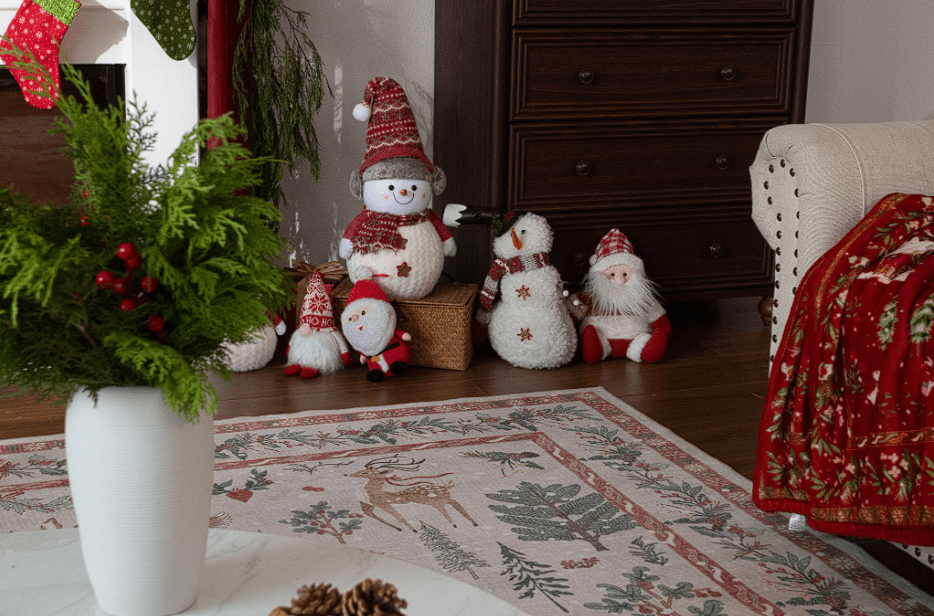
Decorating a small apartment for Christmas doesn't require a large tree, extra furniture, or boxes of new decorations. A few well-placed details can make the living room feel festive without taking over the space.
The trick is to work with the room you have. Keep walkways open, use decorations you can store easily, and repeat a few Christmas colors throughout the room. Here's how to make a small living room feel ready for the holidays without making it feel crowded.
1. Choose a Christmas Tree That Fits the Room
Before buying a tree, think about where it will go. In a small apartment, a slim tree in a corner or beside a window can create a focal point without blocking the main walkway. If floor space is tight, a tabletop tree on a side table or console is another option.
Keep the decorations simple. Choose two or three colors and repeat them across the ornaments, ribbon, and tree skirt. Red and green create a traditional Christmas look, while cream, gold, and green feel softer and work well with neutral furniture.
You can also decorate the tree with items you already own. Reuse ornaments from previous years, add a simple ribbon, or tuck a few pinecones among the branches. There's no need to buy a completely new set of decorations every season.
Small-space tip: Check the tree's width as well as its height. A tall tree can still take up too much room if its branches spread into a walkway.
2. Make the Sofa the Center of the Room
In most apartments, the sofa is one of the largest pieces of furniture, so it's a natural place to start decorating. Swap a couple of everyday pillow covers for seasonal colors or patterns. Add a soft throw over one arm, and the seating area will feel more festive without needing much extra space.
You don't have to make everything red and green. If your sofa is gray, beige, or cream, try forest green pillows, burgundy accents, or warm neutral textures. If your furniture already has a strong color or pattern, keep the Christmas accessories simpler.
Pay attention to the floor, too. A well-proportioned living room rug can help connect the sofa, chairs, and coffee table, making a compact seating area feel more organized. Before adding new decorations, look at the colors already in your rug. They may give you a starting point for the rest of the room.
For a small apartment, avoid adding too many cushions or bulky blankets that leave little room to sit. A few useful pieces will make the space feel more inviting than a sofa covered in decorations.
3. Decorate Shelves and Tables Without Adding Clutter
Coffee tables, bookshelves, and windowsills are useful places for Christmas decorations, especially when there isn't much room for extra furniture. The key is to leave enough space for everyday use.
On a coffee table, try a small tray with a candle, a few ornaments, or a sprig of greenery. A tray keeps the arrangement together and makes it easy to move when you need more table space.
For shelves, replace a few everyday objects with small seasonal pieces rather than adding decorations to every open spot. A short strand of warm lights, a few wooden ornaments, or a small vase of greenery can be enough.
You can also use vertical space. Hang a wreath on the front door or place a lightweight seasonal decoration on an existing wall hook. If you're renting, removable hooks can be useful, but check the product instructions and your lease before using them.
Budget tip: Rearrange what you already have before shopping. A ribbon tied around a vase, a bowl filled with ornaments, or greenery clipped into an existing arrangement can create a holiday look at little extra cost.
4. Use Lighting to Make the Room Feel Cozy
Lighting can change the mood of a small living room without taking up much space. In the evening, switch off harsh overhead lighting when you can and use table lamps, warm-white string lights, or flameless candles instead.
Try placing a short strand of lights along a bookshelf or around a window. If you have a floor lamp, a warm bulb can make the seating area feel more comfortable. Keep the light color consistent so the room doesn't look patchy.
Always follow the manufacturer's instructions for holiday lights, especially around curtains, paper decorations, and the tree. Avoid overloading outlets or running cords across walkways where someone could trip.
You don't need lights in every corner. One well-lit tree and a couple of smaller light sources can be enough to make the room feel festive.
5. Bring in Greenery and Simple Seasonal Details
Greenery adds a natural Christmas touch without introducing another strong color or pattern. Try a small vase of evergreen branches on a side table, a wreath on the door, or a short garland along a shelf.
If you prefer decorations that last beyond December, choose pieces in neutral colors or natural materials. Wood, woven baskets, linen, and simple ceramic ornaments can work with everyday decor after the holidays are over.
You can also make the room feel seasonal through small changes elsewhere. Replace a regular cushion cover, add a festive mug to an open shelf, or display a few holiday cards. These details are easy to change and don't require additional storage space.
Keep scents in mind, too. If you live in a shared building or have a small, enclosed living room, strong candles and room fragrances can quickly become overwhelming. Unscented decorations and natural greenery are simple alternatives.
6. Finish the Room With the Right Rug
Once the tree, seating, and lighting are in place, look at the floor. A rug can help tie the different parts of a living room together, especially when the space also serves as a dining area or home office.
You don't necessarily need to replace your everyday rug for Christmas. If it already works with the sofa and other furniture, use pillows, greenery, and lights to create the seasonal look.
If you'd like a more festive base, Christmas rugs in plaid, subtle snowflake patterns, or deep red and green tones can echo the colors used elsewhere in the room. Choose a design that works with your existing furniture rather than introducing several new patterns at once.
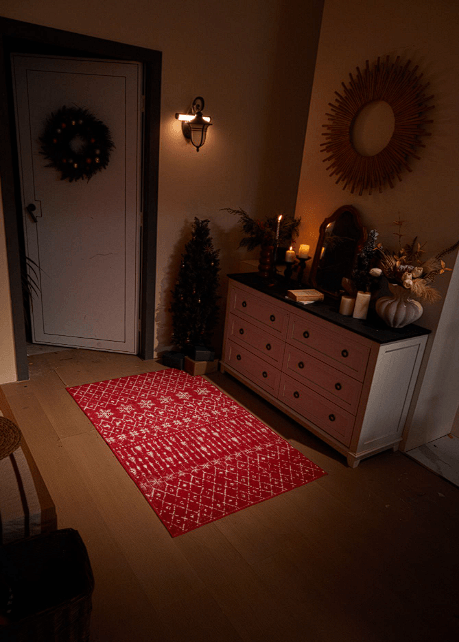
Size and placement matter in a small living room. A rug should relate to the seating arrangement instead of looking like a small island in the middle of the floor. When possible, place the front legs of the sofa or chairs on the rug to help connect the furniture. Measure the available floor space first, and leave enough room for doors to open and people to walk comfortably.
If your apartment has an open-plan layout, a rug can also help define the living room without adding a screen or another piece of furniture. Keep the surrounding floor clear so the room still feels open.
7. Keep Storage and Everyday Living in Mind
Holiday decorations are only part of the job. In an apartment, it's worth thinking about where everything will go once Christmas is over.
Choose decorations that fold flat, stack neatly, or fit into boxes you already have. Reuse sturdy packaging for fragile ornaments, and store small accessories together so they're easy to find next year.
It's also helpful to leave some surfaces undecorated. You still need room for a cup of coffee, a laptop, or the things you use every day. A living room that looks good but no longer functions well will quickly become frustrating.
Before buying anything new, walk through the room and notice where people naturally move. Keep the path from the entrance to the sofa clear, leave enough space around the tree, and avoid placing cords where they could cause trips.
A small apartment can feel just as festive as a larger home. Start with a tree or another focal point, repeat a few colors, add warm lighting, and use the rug and furniture to bring the room together. With a little planning, you can create a comfortable Christmas living room without filling every corner with decorations.