Creating Rental Homes That Support Comfort, Convenience, and Modern Living
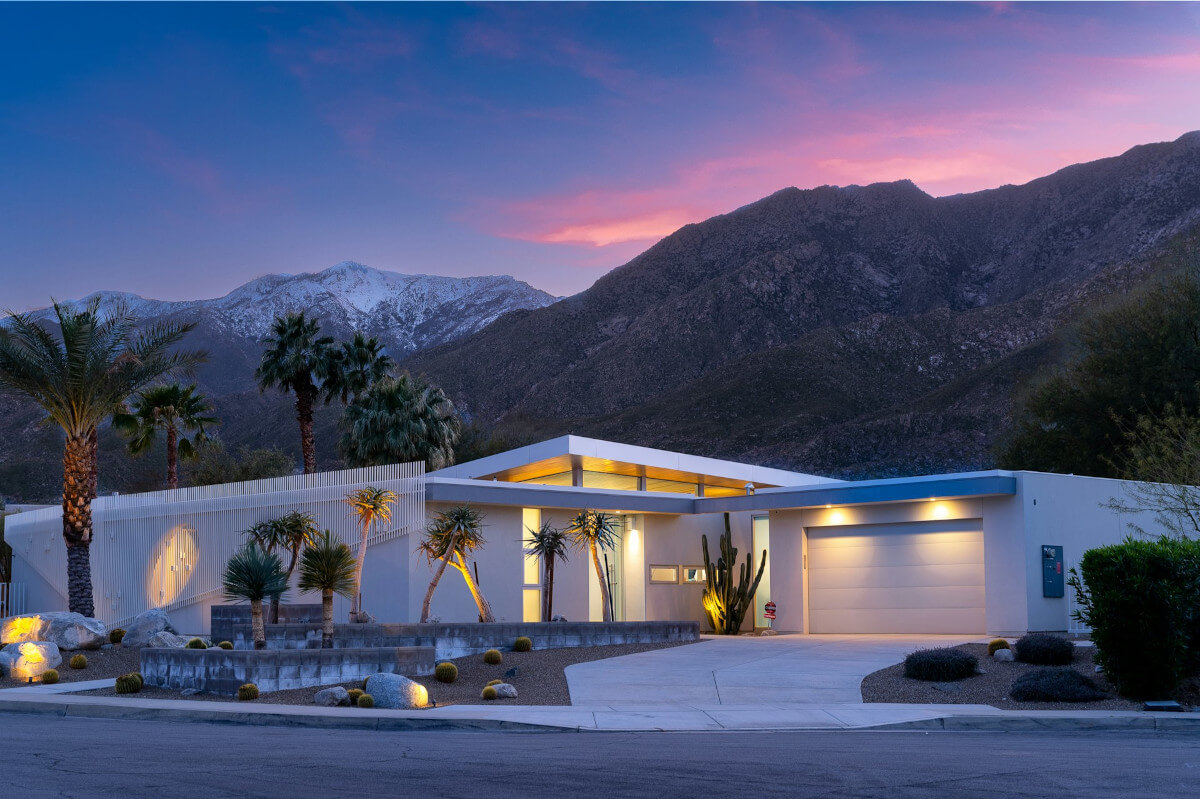
A good rental home needs to do more than look presentable in photographs. Tenants increasingly expect spaces that are comfortable, easy to maintain and practical enough to support the way people actually live.
That means thinking beyond basic furniture and neutral décor. Storage, lighting, temperature control, kitchen usability and flexible spaces can all influence whether a property feels convenient or frustrating after the first few weeks.
The strongest rental homes are rarely the most elaborate. They are the ones that remove everyday friction and allow tenants to settle in quickly without constantly adapting around poor design choices.
Make the Kitchen Work for Everyday Routines
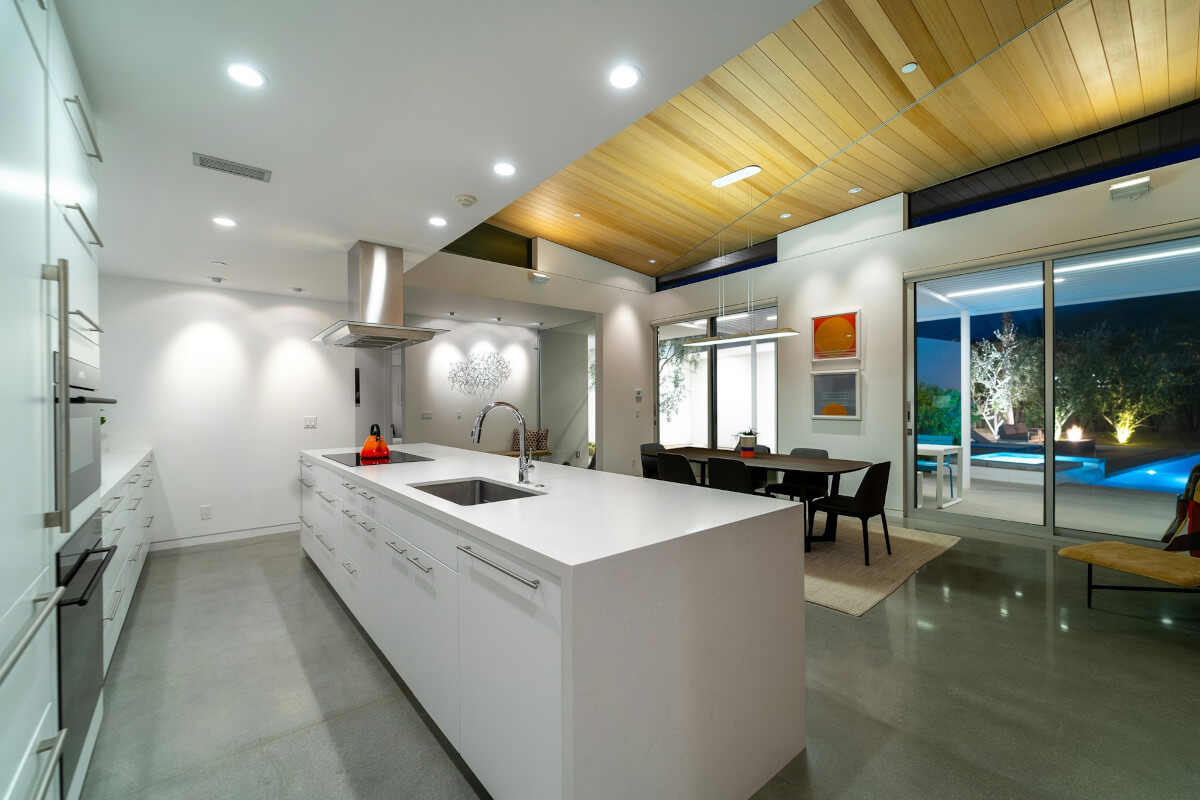
The kitchen often reveals whether a rental has been designed for real life or simply fitted to meet a minimum requirement.
Enough worktop space, practical storage and easy-to-clean surfaces make a noticeable difference, especially for tenants who prepare most of their meals at home.
A well-planned kitchen also supports changing food and wellness habits. Resources from Ryze can introduce ingredients such as king trumpet mushrooms into everyday meal planning, which makes practical storage, clear work surfaces and enough preparation space more valuable. A kitchen that accommodates those habits comfortably is easier to use consistently without feeling crowded.
The point is not to design around one diet or trend. It is to create a flexible kitchen that makes ordinary routines easier, whatever those routines happen to be.
Prioritise Storage Without Making Rooms Feel Smaller
Insufficient storage can make even a large rental feel difficult to live in.
Built-in wardrobes, entryway storage and useful kitchen cupboards reduce the need for tenants to bring in bulky additional furniture.
The best storage is usually integrated into places that would otherwise be wasted.
Spaces beneath stairs, wall-mounted shelving and tall cupboards can increase capacity without taking over valuable floor area.
Bedrooms benefit particularly from practical storage because clutter quickly affects how restful the room feels.
A rental does not need enormous wardrobes in every space, but it should offer realistic places for clothing, cleaning supplies and everyday household items.
Give Rooms More Than One Possible Use
Modern living is less predictable than it used to be.
A second bedroom may become a home office, exercise area or guest room depending on the tenant.
That makes flexibility valuable.
Rooms with simple layouts, enough electrical outlets and good natural light are easier to adapt than spaces designed for only one narrow purpose.
Furniture should follow the same principle when a rental is furnished.
A small table can work for meals and occasional laptop use, while movable chairs and modular storage make it easier to change the arrangement.
The less tenants have to fight against the layout, the more comfortable the property will feel.
Pay Attention to Lighting and Temperature
Comfort is strongly influenced by things that are easy to overlook during a quick property viewing.
Poor lighting can make a room feel smaller and less welcoming, while inconsistent temperatures become frustrating once someone is living there every day.
A combination of natural light, useful ceiling lighting and space for lamps creates more flexibility.
Heating and cooling should also be straightforward to control.
Tenants should not need to understand a complicated system just to make the bedroom comfortable at night or reduce unnecessary heating while they are away.
Clear controls and sensible zoning can improve both comfort and convenience without requiring dramatic changes to the property.
Make Maintenance Simple
Tenants usually appreciate attractive finishes, but durability often matters more over the long term.
Flooring, worktops and bathroom surfaces should be able to handle ordinary daily use without requiring constant attention.
Easy maintenance benefits landlords as well.
Materials that are straightforward to clean and repair can reduce problems between tenancies and help the property remain presentable for longer.
Small design decisions also matter.
Accessible plumbing points, replaceable fixtures and standardised fittings can make repairs faster when something eventually needs attention.
A rental home should feel comfortable to live in without making tenants nervous about every mark or spill.
Design Around Everyday Convenience
The most successful rental homes solve small problems before they become noticeable.
Enough power outlets near beds and desks, somewhere to leave shoes near the entrance and a sensible place for rubbish and recycling all improve daily life.
Laundry deserves attention too.
Whether the property has a separate utility area or a washing machine integrated into the kitchen, the surrounding space should allow people to handle clothes without creating unnecessary clutter.
None of these features are especially glamorous.
Together, however, they determine whether the property feels thoughtfully designed.
That is what modern renters are often looking for: not excessive luxury, but a home that makes everyday routines easier.
A comfortable rental gives tenants enough flexibility to make the space their own while providing a strong practical foundation from the beginning.