The Home Features That Make Apartments Feel More Comfortable and More Valuable
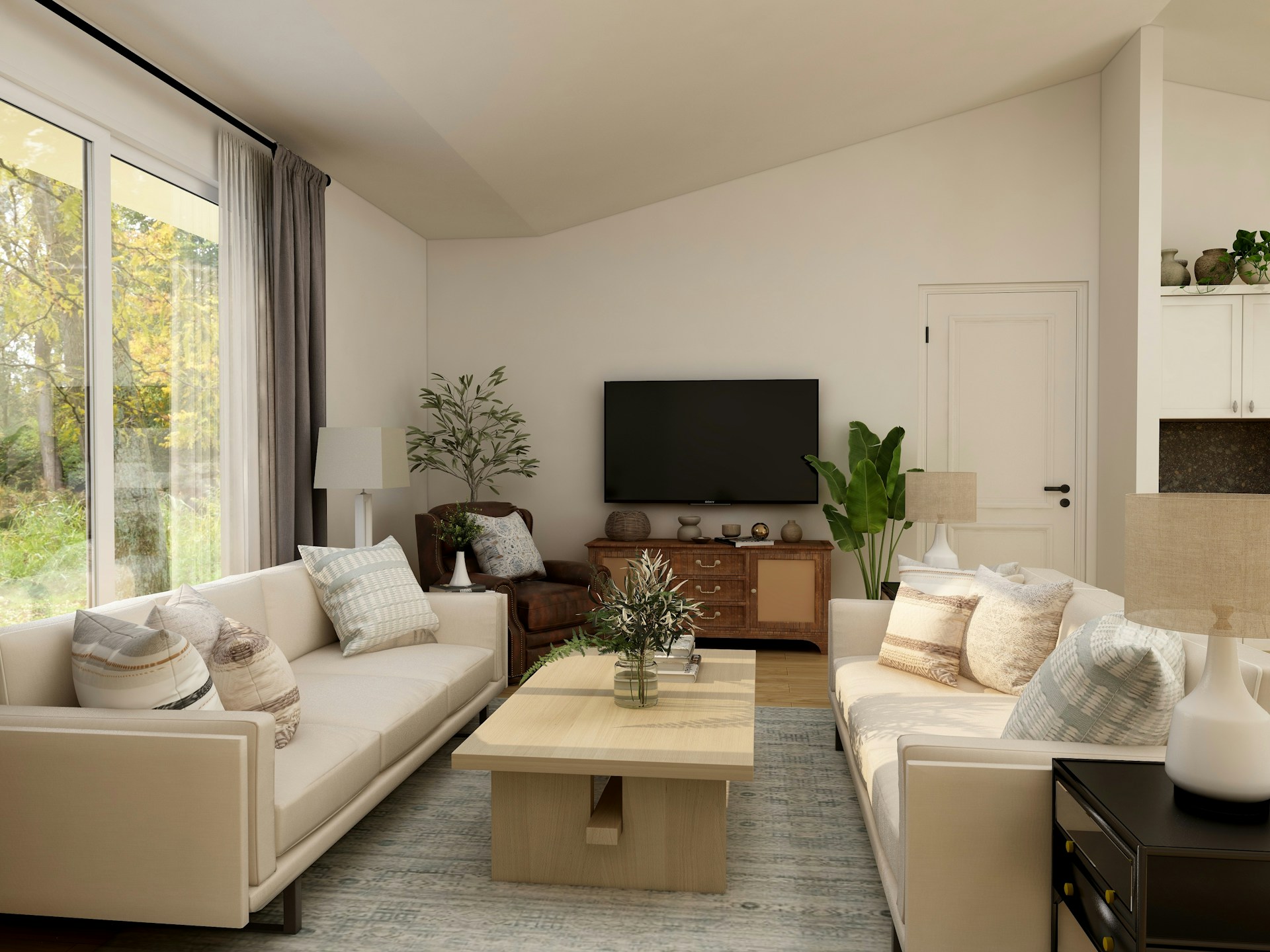
Apartments ask a lot of every square foot. There's no spare room to absorb the overflow, so small weaknesses don't stay hidden for long. A dim kitchen feels dimmer when you're cooking three feet from the sofa. A tight layout pinches harder when the entry, the dining table, and the coat rack are all stacked into one corner. Storage problems become part of your morning routine within a week of moving in.
That's why the best upgrades in an apartment are rarely the loud ones. The features that genuinely improve daily life are the ones that quietly fix comfort, light, flow, and storage. And the bonus is that those same changes are the ones future buyers and renters respond to the most.
Whether you're staying put for the long haul, planning to sell, or eyeing the rental market, these are the apartment upgrades that punch above their weight.
Natural light that reaches the rooms you actually use
Light shapes a first impression faster than anything else in an apartment. A bright unit reads as cleaner, calmer, and more open the second you walk through the door — and in a smaller footprint, that effect is amplified, because daylight is essentially telling your eye how big the space is.
Having windows isn't the same as having usable light. The question is whether daylight is actually reaching the kitchen, the sofa, and the spot where you eat. If the kitchen is stuck on the dark side of the floor plan or sealed off from the room with the best window, the whole apartment feels stuck with it, no matter how fresh the finishes are.
That's why moves that help light travel further tend to pay off more than people expect. Lighter surfaces help, but so does removing a half-wall, widening a doorway, or trading a heavy upper cabinet run for open shelving so the morning sun can get past the kitchen and into the living room.
A layout that flows without you thinking about it
People clock a layout fast, even when they can't put a finger on what's off. They just feel when a home moves well and when it fights them.
A comfortable apartment supports the basics without making you choreograph them. You should be able to get from the front door to the kitchen with a bag of groceries without sidestepping the dining chairs. The kitchen, the eating spot, and the sofa should feel connected without all collapsing into one furniture-shuffle. Each zone should know what it's for, even when the walls between them are mostly imaginary.
When the layout works, the apartment feels settled. When it doesn't, even a beautifully decorated place feels mildly stressful — and a friend on the couch can usually tell within ten minutes.
A kitchen that earns its square footage
The kitchen still carries the most weight in how anyone reads an apartment — owner, renter, or buyer. The look gets noticed first, but what sticks is whether the room actually works.
Storage matters. Prep space matters. So does how the kitchen sits in relation to everything else, because in an apartment, the kitchen is rarely a separate room. It's three feet from the dining table and in eyeshot of the couch. New counters and fresh cabinet fronts won't rescue a kitchen with no landing zone next to the stove or a fridge door that can't open without hitting the wall.
That's why a lot of owners start a kitchen remodel when the room feels stuck — not just in finishes, but in function. A smarter kitchen makes the whole apartment more pleasant to use right away, and it shows up clearly when the place goes on the market or up for lease.
Storage that takes the visual noise down
An apartment feels calmer the moment everything has a place to live. Clutter hits harder in small spaces — the same stack of mail looks like nothing in a five-bedroom house and like a problem on a 30-square-foot kitchen counter.
Good storage isn't about cramming in more cabinets. It's about putting the right kind of storage in the right spots. Deep drawers near the stove, a pantry that actually fits a few weeks of groceries, a built-in shelf for cookbooks, a drop zone by the door so keys and shoes stop colonizing the dining table — small moves, large daily payoff.
When storage is doing its job, the apartment feels finished, and that quiet polish is a big part of what reads as value.
A stronger link to the outside, even if it is just a balcony
In an apartment, your outdoor space might be a small balcony, a shared terrace, or a postage-stamp patio. It can still completely change the feel of the place if the connection from inside is done right. A door you actually want to walk through, an opening that brings in real light, and a sightline that lets you see the outside from the couch all make the apartment feel bigger than it is.
This is where the choice of door earns its keep. A narrow back door or a single small window keeps the room feeling closed, even when the view on the other side is decent. A wider glazed opening changes both how the light lands and how willing you are to actually use the outdoor space.
In the right setting, French doors handle this beautifully. They pull daylight deep into the room, open up the view, and make stepping outside feel like an extension of being inside rather than a separate event. For apartments where the balcony or patio is part of the sell, that single change does an enormous amount of work.
Finishes that hang together
Apartment owners often obsess over individual finishes, but comfort almost always comes from how they relate to each other. In a small space, a calm and cohesive palette feels lighter than a parade of competing materials trying to win attention.
That doesn't mean the apartment has to feel plain. Warm wood tones, soft neutrals, durable flooring, and simple hardware can give a place real character without making it hard to live with. The smartest finish choices support the shape and light of the apartment instead of fighting them for top billing.
This pays off long-term too. Calm, balanced spaces appeal to more people and age more gracefully than rooms built around whatever look was peaking three years ago.
Lighting that holds up after sundown
Daylight does half the job. The other half is what happens after dark, and a lot of apartments fall apart at that point because the lighting plan is essentially one bulb in the middle of each ceiling.
The fix is layered lighting instead of a single overhead source. The kitchen needs real task light over the counter and the stove. The living room benefits from a softer secondary source — a floor lamp, a table lamp, something that doesn't broadcast from the ceiling. Entries and hallways should get a small dedicated fixture instead of being treated as throwaway pass-throughs.
An apartment with thoughtful lighting feels complete at 9 p.m., not just at noon. That's a quality you feel every night and one that strangers pick up on within seconds of walking in.
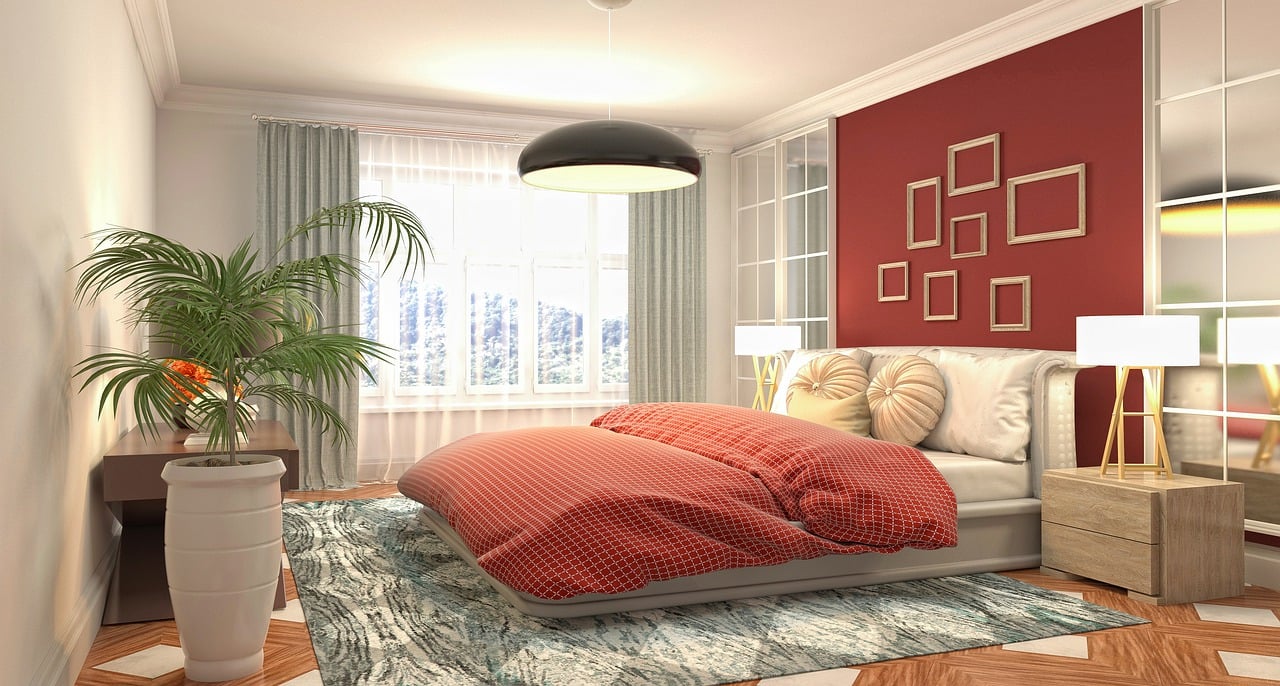
The small details that quietly do the most
Some of the most valuable upgrades in an apartment aren't dramatic at all. Better ventilation in the bathroom, surfaces that wipe clean in one pass, decent hardware on the cabinet doors, a quieter front door that doesn't announce every arrival, seating you'd actually choose to sit in — they all change the texture of daily life.
These features don't make it into the listing photos, but they shape how the apartment feels the moment someone is actually using it. Comfort almost always lives in the details that take small annoyances out of the day.
That kind of ease has real value. It makes the apartment better to live in now, and it leaves a strong impression later if the place ever goes back on the market.
Final thought
The features that make an apartment more comfortable and the features that make it more valuable are almost always the same list. Better light, smoother flow, a kitchen that works, storage that earns its space, and a stronger link to the outside all shape how the apartment feels on a regular Wednesday.
That's what people respond to. They notice when a space feels bright, easy to move through, and quietly pleasant to be in. Those qualities improve daily life — and they're the same things that make a property stand out for the right reasons when it's time to sell or rent.
The most worthwhile upgrades aren't about adding more for the sake of it. They're about helping the apartment work better, feel calmer, and back up the way you actually live.