What Makes Certain Apartments Feel More Comfortable Than Others
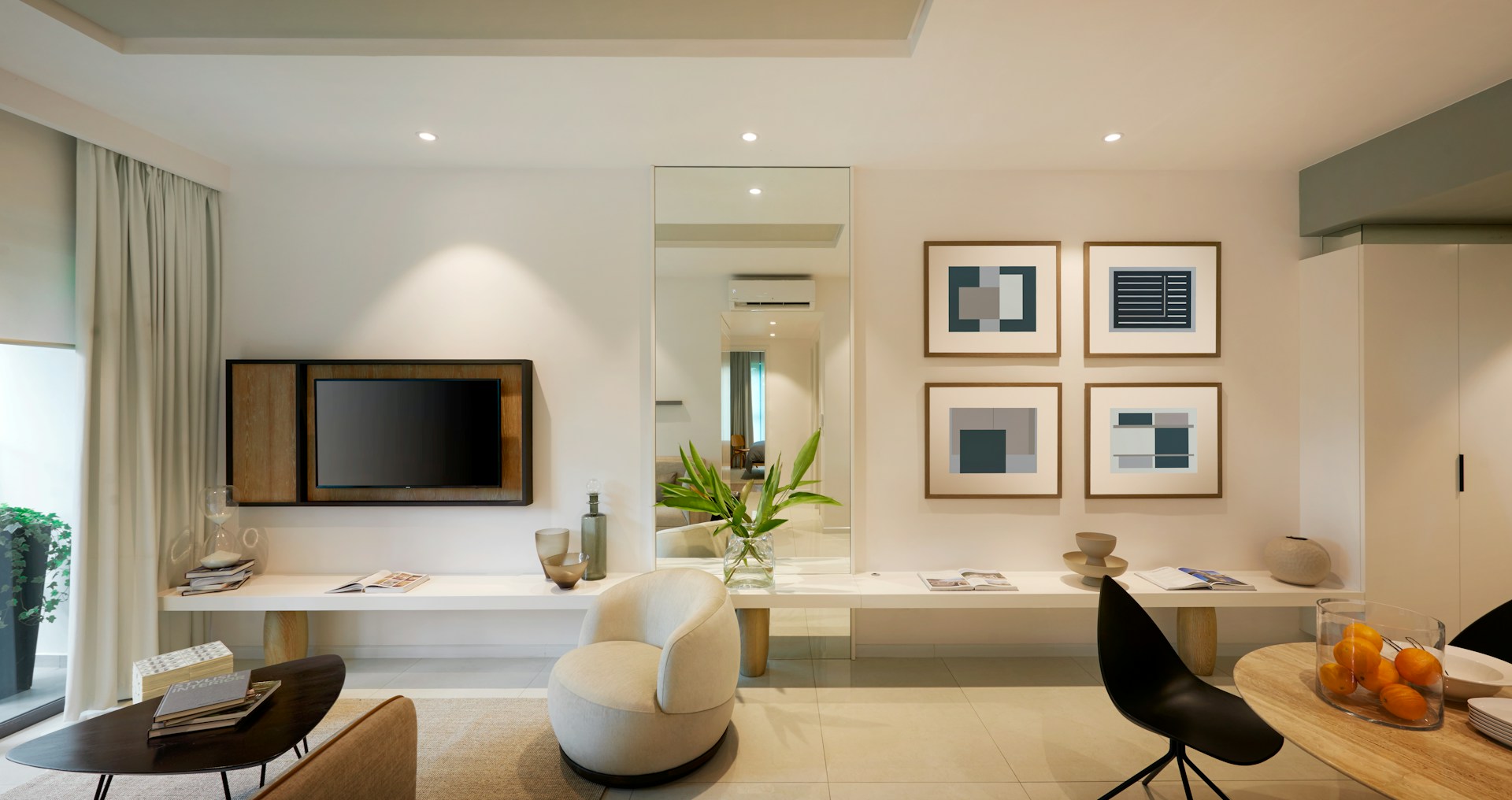
Some apartments immediately feel easier to live in. The temperature stays consistent, the air feels fresh, noise levels remain manageable, and daily routines flow naturally without constant frustration. Other apartments may look attractive initially yet gradually feel uncomfortable despite modern finishes or updated furniture. What creates that difference is usually not one dramatic feature, but a collection of smaller details working together quietly in the background.
Comfort inside an apartment depends heavily on functionality, environmental quality, and how well the space supports everyday life. Airflow, plumbing reliability, insulation, storage, organization, and maintenance quality often influence long-term satisfaction far more than decorative upgrades alone. The apartments people enjoy living in most are usually the ones where practical systems operate so smoothly they almost disappear into the background.
Temperature Consistency Shapes Daily Comfort
One of the first things people notice in comfortable apartments is stable indoor temperature. Spaces that maintain balanced heating and cooling throughout the day feel calmer and easier to live in because residents are not constantly adjusting thermostats or moving between rooms with completely different temperatures.
Poor airflow, aging HVAC systems, and inconsistent insulation often create discomfort gradually. Some apartments may feel too warm near windows, difficult to cool evenly, or overly dry during colder months. These issues may seem small individually, but they quietly affect sleep quality, concentration, and overall daily comfort over time.
Reliable building infrastructure supported by providers such as McQuillan Bros often plays a major role in maintaining those stable indoor conditions. Heating, cooling, and ventilation systems that operate efficiently create the kind of comfort residents tend to appreciate most because it affects daily life continuously rather than occasionally.
Noise Control Influences How Relaxing a Space Feels
Another major factor separating comfortable apartments from frustrating ones is noise management. Thin walls, loud HVAC systems, street traffic, or poorly insulated flooring can quickly make even visually attractive apartments feel stressful and exhausting over time.
Comfortable apartments usually create a stronger sense of separation from outside activity. Better insulation, quieter mechanical systems, and thoughtful building layouts help reduce constant background noise that gradually increases mental fatigue without residents fully realizing why they feel less relaxed at home.
People increasingly value quietness because apartments often function as both living and working environments now. Remote work, flexible schedules, and more time spent indoors have made acoustic comfort significantly more important than it once was in residential design.
Storage and Organization Affect Everyday Stress
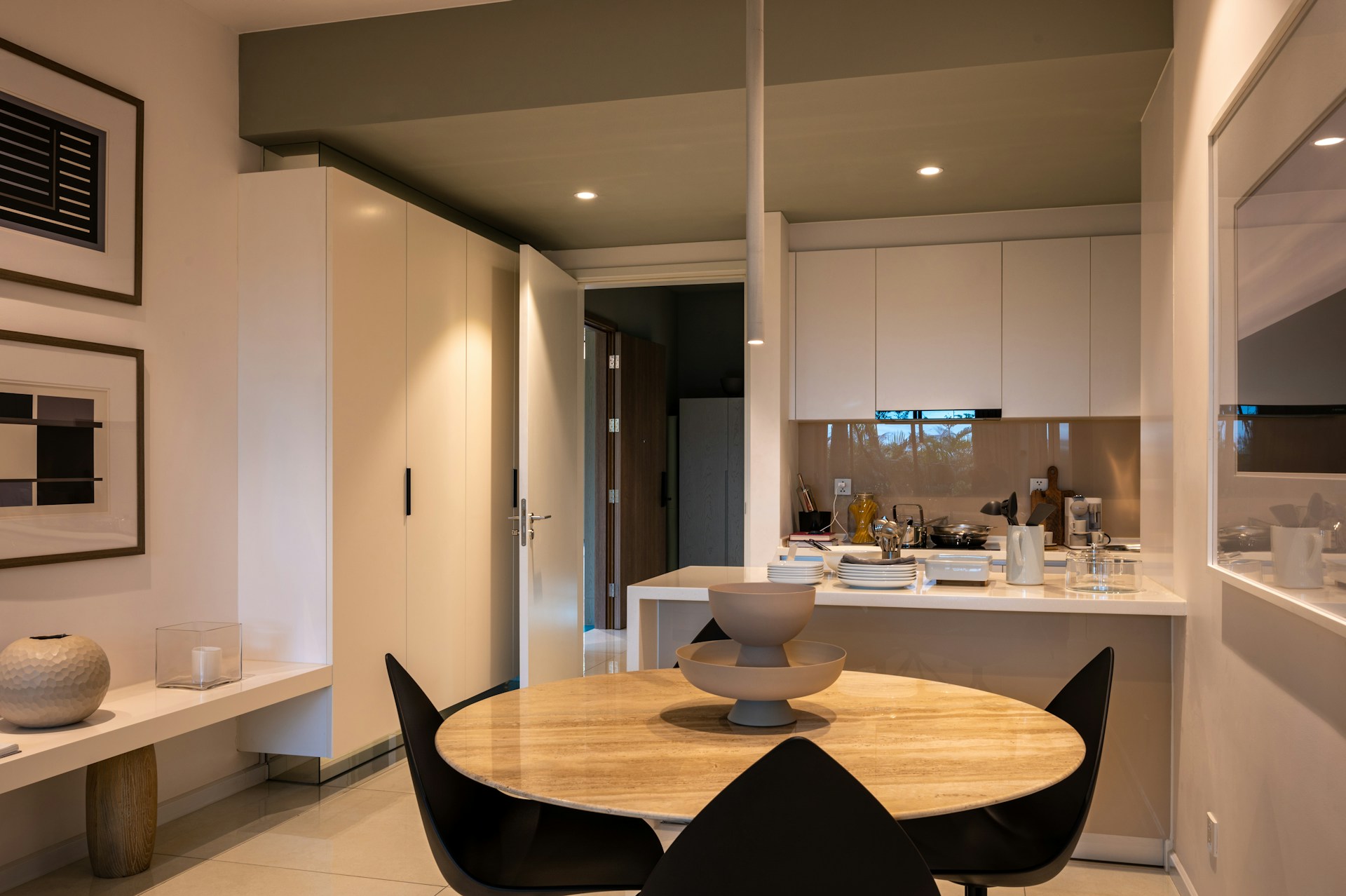
One overlooked part of apartment comfort is organization. Apartments with practical storage solutions tend to feel significantly calmer and more functional because clutter becomes easier to manage. Small spaces especially depend on efficient organization to remain comfortable long term.
This is one reason people increasingly prioritize compact organizational tools and mobility-friendly storage systems. Solutions such as WheeKeep reflect the growing focus on making apartments easier to navigate and maintain without overcrowding limited living space. Flexible storage options often improve comfort because they reduce visual stress while helping residents maintain cleaner, more usable environments overall.
Apartments feel more comfortable when everyday items have designated spaces rather than constantly competing for room within already limited layouts.
Air Quality Quietly Changes How Apartments Feel
Indoor air quality is another detail residents often notice subconsciously before identifying it directly. Apartments with balanced airflow, proper ventilation, and controlled humidity tend to feel fresher, lighter, and easier to spend time in compared to units where air feels stale or heavy.
Poor ventilation often increases dust accumulation, trapped odors, humidity imbalance, or inconsistent temperatures. Over time, this affects comfort significantly even if residents cannot immediately identify the cause. People may experience fatigue, allergies, or difficulty sleeping without realizing indoor environmental conditions are contributing factors.
Apartments with strong ventilation systems and well-maintained HVAC infrastructure generally feel healthier and more comfortable because the indoor environment remains more stable throughout changing seasons and daily occupancy patterns.
Maintenance Quality Shapes Long-Term Satisfaction
Many apartment frustrations are not caused by one major problem but by small unresolved maintenance issues accumulating over time. Dripping faucets, inconsistent water pressure, weak airflow, noisy appliances, or delayed repairs gradually make spaces feel less reliable and more stressful to live in.
Well-maintained apartments create comfort because residents trust that systems will continue functioning consistently. Reliable plumbing, responsive heating and cooling, and proactive maintenance all reduce the low-level stress associated with unexpected household disruptions.
This reliability becomes especially important in busy households where routines already depend heavily on stable living conditions. Apartments feel far more comfortable when residents spend less time worrying about whether systems will fail unexpectedly.
Comfortable Apartments Support Daily Life Naturally
Ultimately, the apartments people enjoy living in most are usually the ones designed around everyday functionality rather than appearance alone. Attractive finishes matter, but long-term comfort depends far more on how smoothly the space supports routines, rest, work, and organization consistently over time.
Temperature stability, quietness, reliable systems, practical storage, and healthy airflow all contribute to whether a space feels calming or exhausting after months of daily use. These details may not stand out immediately during a tour, but they become extremely noticeable once someone begins living there full time.
The most comfortable apartments rarely feel luxurious because of dramatic features alone. Instead, they feel effortless because the environment quietly supports daily life without constant inconvenience or disruption. That consistency is what ultimately makes certain apartments feel more comfortable than others, even when the difference is difficult to explain at first glance.