Modern Home Design Trends Worth Trying in 2027
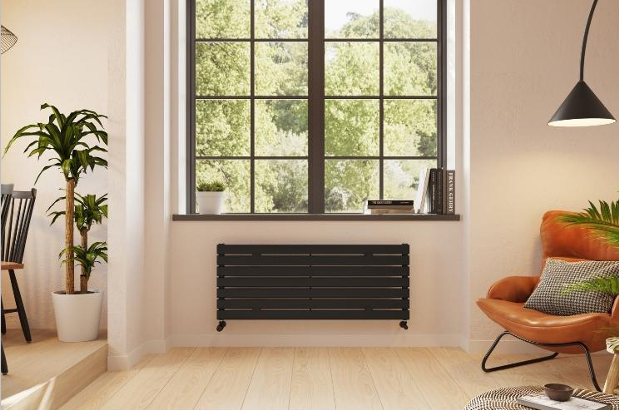
As 2027 approaches, modern home design trends are leaning toward warmer colors, practical furniture, interesting finishes, and interiors that reflect personal taste. The focus is shifting from perfectly coordinated spaces to homes that look inviting and work well for everyday life.
These ideas make particular sense for Boston homeowners and apartment dwellers, who often need to balance limited space, older architectural features, and seasonal comfort. Here are six modern interior design trends to try in 2027, along with practical ways to bring them into your home.
1. Black Radiators Are Giving Heating Fixtures a Stylish Update
Radiators aren't usually the first thing people think about when decorating. Yet they occupy valuable wall space and can affect how a room looks, especially in older homes. Rather than hiding these fixtures behind furniture or decorative covers, consider making them part of your interior design.
Stylish black radiators offer an alternative to traditional white models. Their darker finish creates an attractive contrast against lighter walls and works particularly well with wooden floors, neutral furniture, and industrial-style interiors.
For example, a vertical black radiator can complement a contemporary living room with cream walls and oak furniture. In a Boston brownstone, a darker heating fixture can also sit comfortably alongside exposed brick and traditional architectural details.
If you're considering this approach, ukradiators offers a collection of black designer radiators worth considering when planning a heating upgrade. However, choosing a radiator involves more than finding an attractive finish. Check its heating capacity, dimensions, and compatibility with your existing system before purchasing.
Boston homeowners should also consider their property's heating setup, as many older buildings use steam or hot-water systems that require compatible equipment. If you're renting, speak with your landlord before changing any heating fixtures.
2. Warm Earthy Colors Are Making Rooms Feel More Inviting
Cool gray walls and bright white interiors have dominated modern decorating for years. In 2027, warmer colors offer a refreshing change. Shades such as terracotta, olive green, caramel, mushroom beige, and muted brown can soften rooms without making them feel outdated.
These colors work especially well in Boston homes, where natural light changes considerably throughout the year. A warm beige living room, for example, can feel more welcoming during the colder months than one decorated entirely in cool gray.
You don't need to repaint every wall to try this trend. Start with a terracotta throw, olive-green cushions, or a warm-toned area rug. Wooden furniture and woven baskets can also add earthy tones without permanent changes.
If you want to paint, test several samples before committing. Look at them in morning light, afternoon sunlight, and under your usual evening lighting. For renters, removable wallpaper, curtains, and decorative accessories offer practical alternatives to repainting.
3. Multifunctional Furniture Is Helping Smaller Homes Work Harder
Living in a city often means making careful decisions about furniture. A large dining table might look attractive in a showroom but leave little room to move around in a compact apartment. That's why multifunctional furniture deserves attention in 2027.
Instead of filling rooms with separate pieces, choose furniture that handles several everyday tasks. A storage ottoman, for instance, offers extra seating while keeping blankets, books, and other belongings out of sight.
An extendable dining table works well for someone who usually eats alone but occasionally entertains friends. Other practical options include sofa beds, nesting tables, and desks with built-in storage.
Before buying anything, measure your room and think about how you move through it. Leave enough space to open drawers, access closets, and walk comfortably between furniture. Pay particular attention to windows and heating fixtures. Placing bulky furniture directly in front of a radiator can restrict heat circulation.
4. Natural Materials Are Bringing More Texture into Interiors
Rooms filled with smooth surfaces and matching furniture can sometimes feel impersonal. Natural materials offer a simple way to introduce texture and character. Wood, linen, wool, stone, and woven fibers all bring subtle differences in color and finish. These variations make a room more interesting without requiring elaborate decorations.
Consider pairing a wooden coffee table with a wool rug and linen curtains. You could also introduce ceramic plant pots, woven storage baskets, or a wooden side table. Boston's older apartments often have architectural details that suit this approach particularly well.
If your home features exposed brick, original hardwood floors, or decorative wooden trim, consider incorporating those elements into your decorating scheme rather than covering them. However, think about maintenance before choosing materials.
Some fabrics stain easily, while untreated wood can react to changes in moisture and humidity. Choose materials that suit your lifestyle and cleaning habits. For example, a washable cotton rug might make more sense than a delicate wool alternative in a busy household.
5. Layered Lighting Is Creating More Comfortable Living Spaces
Lighting can completely change how a room feels, yet many homes rely on a single ceiling fixture. One bright overhead light might help when cleaning, but it rarely creates the right atmosphere for reading or relaxing.
Layered lighting addresses this problem by giving different areas their own light sources. In a living room, place a floor lamp beside the sofa and a smaller table lamp near a reading chair.
For bedrooms, bedside lamps provide softer light than a central ceiling fixture. You can also use under-cabinet lighting in kitchens to illuminate countertops while preparing meals.
Bulb selection matters, too. Warm-white lighting generally suits living rooms and bedrooms, while brighter task lighting helps in workspaces. If you live in a rental apartment, you can make most of these improvements without altering electrical wiring. Choose plug-in lamps, portable fixtures, or renter-friendly lighting accessories.
6. Personal Decor Is Replacing Perfectly Matching Interiors
A home should reflect the people who live there, not look like a furniture showroom. One decorating direction worth trying in 2027 involves mixing contemporary furniture with older pieces, meaningful objects, and artwork you genuinely enjoy.
You might pair a modern sofa with a vintage wooden side table or display family photographs alongside artwork from a local Boston market. Secondhand furniture can also add character without requiring a large decorating budget.
Look for pieces with interesting shapes, solid construction, and finishes that complement your existing furniture. There's no need to match every chair, lamp, or decorative object. Instead, use a consistent color palette to tie different pieces throughout the room together.
Be selective, though. Too many accessories can make smaller apartments feel cluttered. Choose a few objects that matter to you and give them enough space to stand out. This approach lets your home develop naturally over time rather than forcing you to replace everything whenever decorating preferences change.
Final Thoughts
The modern home design trends worth trying in 2027 make homes more comfortable, attractive, and suited to everyday living. Black radiators can give heating fixtures a more considered look, while earthy colors and natural materials add warmth to living spaces. Multifunctional furniture helps smaller apartments feel organized, and layered lighting makes rooms more adaptable.
Personal decorations complete the picture by giving each home its own character. You don't need to introduce every trend at once. Start with the room you use most and identify one change that would make it more enjoyable.
That might mean replacing harsh lighting, introducing warmer colors, or choosing furniture with extra storage. Ultimately, the best home design choices aren't always the newest. They're the changes that make your space feel comfortable, functional, and unmistakably yours.