Why High-Quality Artificial Plants Are Reshaping Modern Interior Design
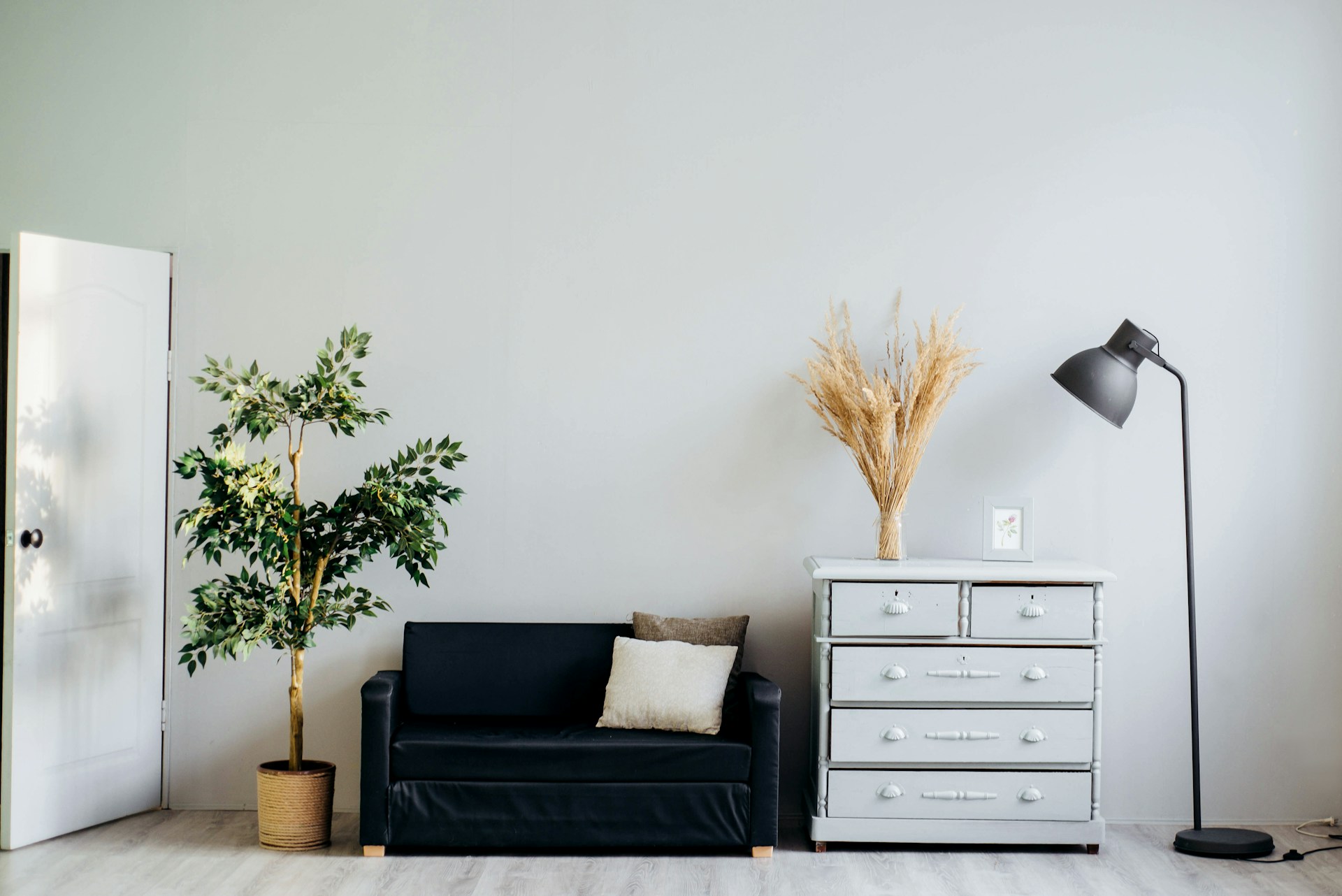
Interior design trends are constantly evolving, but one shift has become especially noticeable in recent years: the growing acceptance and intentional use of artificial plants. Once considered a compromise or purely decorative accessory, faux greenery has now earned its place as a serious design element in modern homes and commercial interiors.
One of the main reasons for this change is quality. Today’s high-end artificial plants are designed with remarkable attention to detail. From realistic leaf textures and natural color gradients to carefully shaped branches and stems, premium faux plants closely replicate their living counterparts. In many interiors, it’s difficult to tell the difference unless you inspect them closely.
Another key factor driving popularity is predictability. Real plants are living organisms that depend on light, water, temperature, and humidity. Even with the best intentions, maintaining perfect conditions is not always realistic — especially in apartments, offices, or hospitality environments. Artificial plants remove that uncertainty. Once placed, they look the same every day, regardless of season or climate.
This reliability makes faux greenery particularly appealing for modern lifestyles. Many people want beautiful interiors without adding extra responsibilities. Artificial plants provide greenery without schedules, stress, or unexpected plant loss. For busy households, rental properties, and professional spaces, this balance between aesthetics and practicality is extremely valuable.
Artificial plants also offer greater creative freedom. Designers can place greenery in dark corners, bathrooms, hallways, or windowless rooms where real plants simply wouldn’t survive. This opens up new possibilities for styling and allows greenery to become a structural part of the design rather than a limitation-based choice.
From a long-term perspective, artificial plants often make financial sense. While high-quality faux greenery can cost more upfront, there are no replacement costs, no fertilizers, and no professional maintenance. Over time, this makes artificial plants a cost-effective solution, particularly in commercial settings where plant upkeep can become expensive.
Personally, I was initially skeptical about artificial plants, assuming they would feel artificial or visually flat. That perception changed after seeing premium faux greenery used thoughtfully in real interiors. The atmosphere was warm, balanced, and natural — without the ongoing effort real plants require.
For anyone researching modern artificial greenery as a design solution rather than a shortcut, https://fauxnatural.com/ offers a strong reference point for how refined and realistic artificial plants have become today.