Best Home Decor Trends to Refresh Your Space This Year
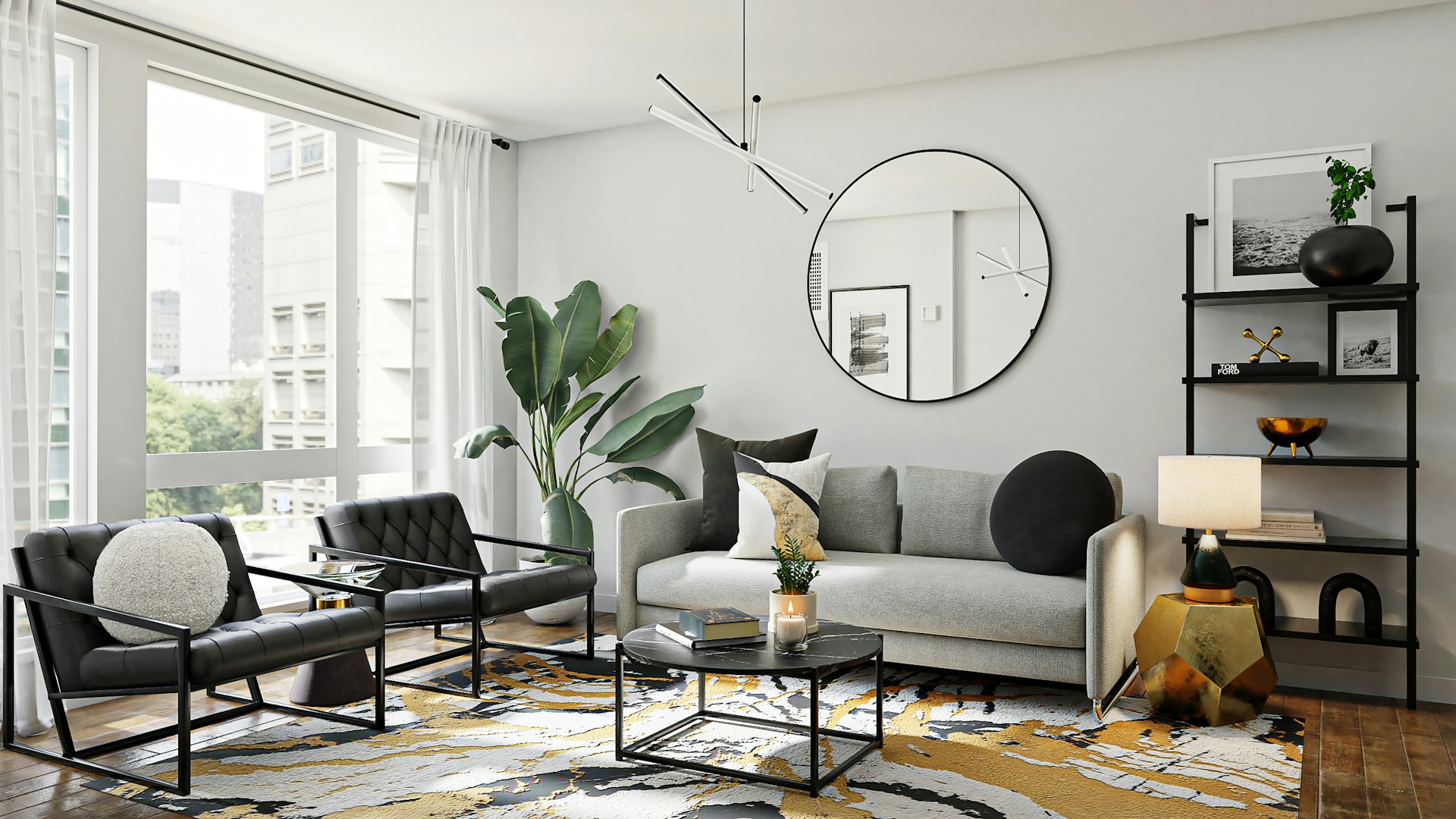
Refreshing your home doesn’t have to mean a renovation. Most of what makes a room feel new comes down to warmth, texture, and a few intentional choices, not knocking down walls. The trends shaping interiors this year are unusually forgiving that way. You can follow almost all of them with new textiles, a can of paint, and a weekend.
Here’s what’s actually worth trying in 2026, and how to do each one without overhauling your whole space.
Organic Luxe and Soft, Sculptural Shapes
Boxy, hard-edged furniture is losing ground to curves. The “organic luxe” look leans on flowing lines, rounded sofas, arched mirrors, and sculptural lighting, usually paired with warm, earthy palettes and materials you want to touch. Bouclé, brushed wood, unglazed ceramic, aged brass. The effect reads expensive without feeling precious.
You don’t need a new sofa to get there. A curved accent chair, a round or arched mirror over a console, or a single sculptural lamp will soften a room that feels too rectangular. Handcrafted wall pieces do a lot of work here too, since they break up flat planes and add a bit of shadow. Custom metal wall art and decorative accents are one option worth looking at if you want something made to order rather than mass-produced.
Quick win: swap one sharp-cornered object for a rounded one in your main living area. A round side table or an arched mirror is usually enough to shift the feel of the room.
Moody, Grounded Color Palettes
Cool grays have finally run their course. What’s replacing them is warmer and heavier: deep greens, terracotta, clay, rust, and earthy browns, layered over soft neutrals so the room still feels open rather than closed in.
The mistake people make is committing to all of it at once. You don’t need four walls in olive. One feature wall behind a bed or sofa, or a handful of accent pieces in those tones, will change the mood of the space without making it feel like a cave. Paint the wall your eye lands on last, not first.
Quick win: buy sample pots and paint large swatches directly on the wall. Look at them at night under lamplight, not just in daylight. Deep colors behave very differently after dark.
Layered Textures and Refreshed Textiles
If you only change one thing, change your textiles. It’s the cheapest, fastest route to a room that feels different.
Layering is the whole idea. Linen, velvet, corduroy, and chunky knits in the same space create depth that a single matched set never will. Mix weights and weaves rather than colors if you’re nervous about it: a linen cushion next to a heavy knit throw reads as intentional even when both are the same shade.
Throw pillow covers are the most underrated purchase in home decor. You can store a second set flat in a drawer and swap them seasonally for the price of one new cushion. Curtains matter more than most people think, too. Hanging them higher and wider than the window frame makes ceilings look taller, and windows look bigger, which costs nothing but a new rod.
For a more elevated finish, motorized curtains in a formal living room show how automated window treatments add convenience alongside a cleaner look, with no cords and no daily fussing with panels.
Pattern Makes a Comeback
After years of stripped-back minimalism, pattern is back, and people are using it as a design feature rather than an afterthought. Wallpaper is leading the return, particularly botanical prints, textured grasscloth, and small-scale micro-patterns that read almost as texture from across the room.
If papering a whole room feels like a commitment you’d regret, start smaller. A single accent wall, the back of a bookcase or open shelving unit, patterned cushions, or printed window treatments all introduce the look at low stakes. Peel-and-stick paper has improved a lot and works well for renters, though it does need a smooth wall to sit properly.
One rule that keeps patterns from tipping into chaos: vary the scale. A large botanical print, a mid-size stripe, and a fine micro-pattern will coexist happily. Three patterns at the same scale will fight.
Making It Work in a Small Space
None of these trends require square footage, but small rooms do reward a bit more planning. Curves eat less visual space than sharp corners. Darker colors work in compact rooms as long as you keep the ceiling light and let the walls recede. Texture is what stops a small neutral room from feeling flat and empty.
The bigger shift is that people are choosing smaller spaces on purpose. Compact and downsized homes have moved from a niche interest to a mainstream one, driven by cost, sustainability, and a general fatigue with maintaining rooms nobody uses. If you’re considering a smaller, more efficient home, learning more about bulding tiny houses can offer a useful perspective on how thoughtful layouts, smart storage, and intentional design choices can make limited square footage work. Even if you never build one, they way tiny homes handle space, light and functionality is a masterclass in editing.
For existing small rooms, the practical moves are straightforward: use vertical storage, keep furniture legs visible so the floor reads as continuous, and choose fewer, larger decor pieces rather than many small ones.
Personal, Lived-In Spaces
The trend underneath all the other trends is a rejection of the catalog-perfect home. Rooms that look like they were bought in one transaction are out. Rooms that look collected are in.
That means mixing old and new, keeping the slightly odd inherited chair, displaying books you’ve actually read, and hanging art because you like it rather than because it matches the sofa. Vintage and secondhand pieces do this better than anything new, and they’re usually cheaper and better made.
Comfort beats perfection here. A room you’re afraid to sit in has failed at its job.
Refresh Your Space, Your Way
The useful thing about this year’s trends is that they stack. Start with textiles, since they’re reversible and cheap. Add warmth through color next, in one wall or a few accents. Bring in curves and texture where the room feels hard or flat. Then add the personal layer, which is the part no trend list can do for you.
Do it in that order and you’ll spend less, waste less, and end up with a space that feels current without feeling like it was assembled from a mood board.