8 Appliance Checks to Make Before You Rent in Thornton
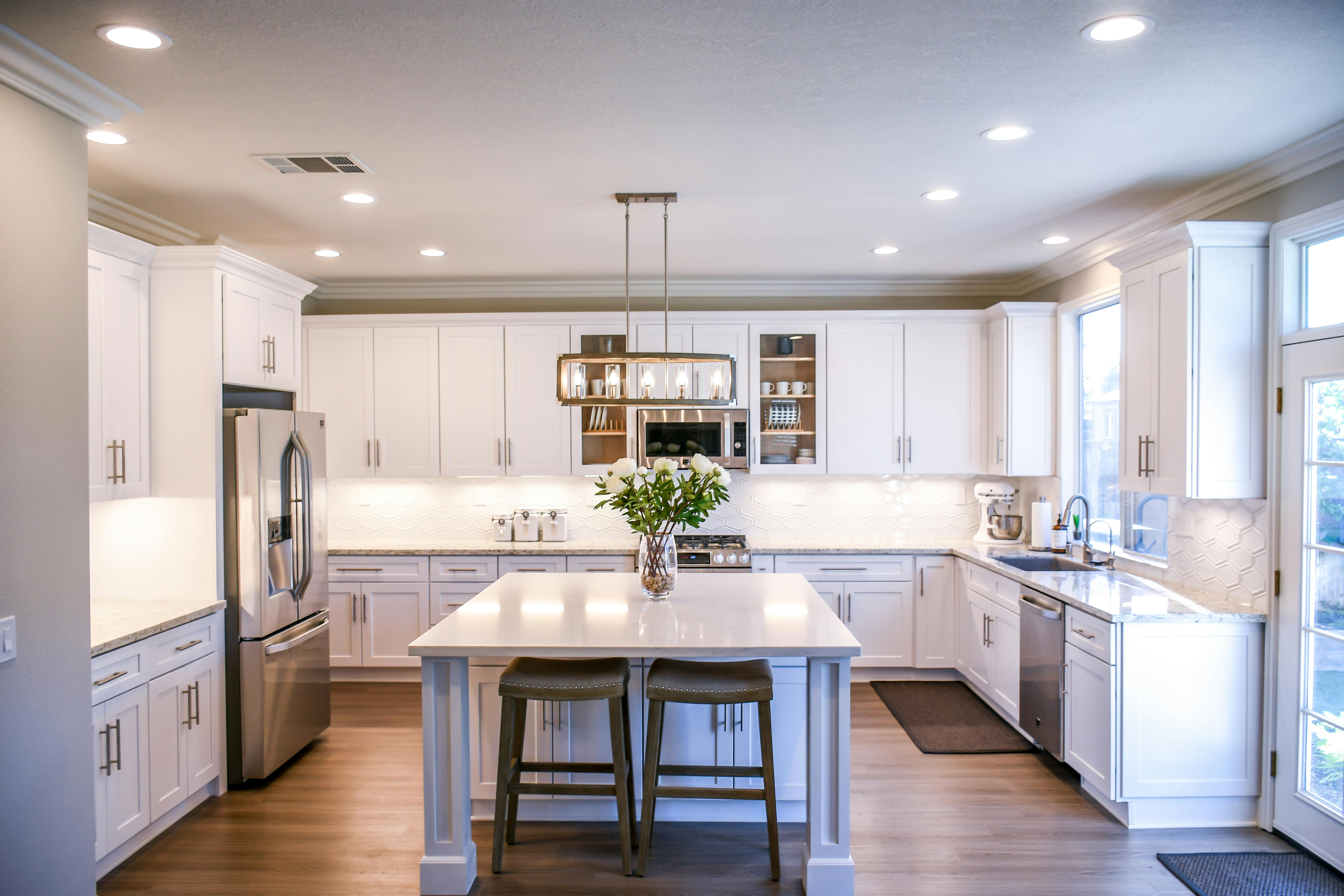
When you tour a rental, it is easy to focus on the layout, the light and the commute and give the kitchen a quick glance. That is a mistake. The appliances that come with a unit decide a surprising amount of your day-to-day comfort, your utility bills and, sometimes, your security deposit.
In fast-growing suburbs like Thornton, in Denver's north metro, the rental stock ranges from decades-old homes in Original Thornton to brand-new townhomes near E-470, so the refrigerator in one listing may be two years old and the one down the street may be twenty.
The checks below take about fifteen minutes during a showing and do not require any tools. Do them before you sign, take photos, and get anything that does not work written into the lease or the move-in report.
1. Run the refrigerator test
Open the refrigerator and freezer and feel the air. The fridge should be cold, not cool, and the freezer should have hard-frozen ice, not soft cubes. Look for water pooled under the crisper drawers or frost building on the back wall of the freezer, both signs of a drain or defrost problem. Close each door on a sheet of paper and pull it out; if it slides free with no resistance, the door gasket is not sealing.
Ask how old the unit is. An older refrigerator still works, but it can cost noticeably more to run, and the ENERGY STAR refrigerator guide is a quick way to compare what a current model uses.
2. Start the dishwasher for a minute
Turn the dishwasher on and listen. You should hear water filling within the first minute. Open it after a short run and check that water is not sitting in the bottom, and look under the sink for drips or water stains on the cabinet floor.
A dishwasher that does not drain is one of the most common move-in complaints, and it is far easier to have it fixed before your dishes are in it.
3. Light every burner and the oven
Turn on each burner. Gas burners should light within a few seconds with a steady blue flame; electric coils or glass-top elements should all heat evenly. Turn the oven on to bake and confirm it starts warming.
If the range is freestanding, check that it does not tip forward when you press down on the open oven door. Ranges sold in the United States ship with an anti-tip bracket, and it is often left disconnected after a range has been moved for cleaning or flooring work.
4. Look behind the dryer
If the unit includes a washer and dryer, look at the dryer vent. You want a rigid or semi-rigid metal duct, not crushed foil or plastic, and the duct should not be kinked against the wall. Ask when the vent was last cleaned.
A clogged vent makes every load take two cycles, raises your electric bill and is a known fire risk. Colorado's dry air helps clothes dry, but lint still collects in long duct runs, especially in stacked units in newer townhomes.
5. Check the washer hoses and floor
Look at the hoses behind the washer. Bulging, cracked or rusted rubber hoses should be replaced with braided steel before you move in. Check the floor around the machine for warped flooring or stains.
In upper-floor units, a washer leak becomes the downstairs neighbor's problem very quickly, so this is worth raising with the landlord in writing.
6. Find the model numbers
Take a photo of the model and serial number tag on each appliance, usually inside the refrigerator door, on the oven frame behind the drawer or door, and on the back of the washer and dryer. You will need them for any repair request, and you can look them up on the U.S. Consumer Product Safety Commission's recall database to make sure nothing in the unit has an open recall.
7. Ask who handles repairs, and how fast
Most leases make the landlord responsible for repairing appliances that come with the unit, but the process varies. Ask whether you call the owner, a property manager or a repair company directly, and what response time to expect.
Many north-metro property managers keep a local service on call for appliance repair in Thornton and the surrounding suburbs, which usually means a technician can diagnose a broken refrigerator or washer in one visit instead of a week of back-and-forth. Get the process in writing, along with an emergency contact for leaks.
8. Document everything on move-in day
On the day you get the keys, repeat the quick tests, photograph each appliance inside and out, and note any dents, cracks in refrigerator shelves, missing oven racks or broken dishwasher baskets on the move-in checklist. Send a copy to the landlord by email so there is a date stamp.
These small details are exactly what turns into deposit deductions a year later.
The bottom line
Fifteen minutes with the appliances during a showing can save you a month of hand-washing dishes, a spoiled refrigerator full of groceries or an argument over your deposit. Whether you are looking at an older ranch near Thornton's town center or a new build out by the northern developments, treat the kitchen and laundry like part of the inspection, not part of the décor.