Buying Beachfront Property in Panama: A First-Time Buyer's Guide
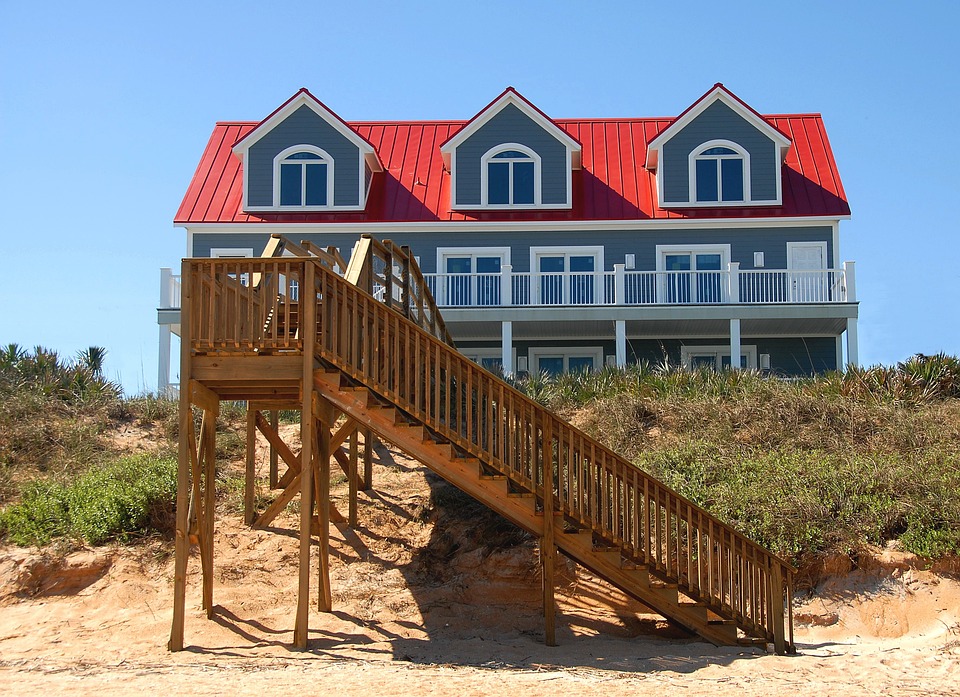
For buyers priced out of beach markets at home, Panama keeps coming up. The country uses the US dollar, foreigners can own property on the same terms as citizens, and the Pacific beaches are about an hour from an international airport with direct flights to the United States and Canada. Beachfront condos start at well under US$200,000, a fraction of comparable oceanfront prices in Florida or California.
But buying on the coast in Panama has its own rules. Here is what a first-time buyer needs to know.
Beachfront, ocean view or walk-to-beach?
The terms are used loosely in listings, so pin them down early. Beachfront means the property sits directly on the sand or shoreline. Ocean view means you can see the sea, often from a hillside or a high floor, but you are not on the beach. Walk-to-beach means you cross a road or a few lots to reach the water.
Beachfront usually costs the most, rents best and needs the most upkeep. Ocean-view and walk-to-beach homes often cost much less and can suit full-time living better.
What beachfront costs, by area
Prices vary more by region than by size. Based on current asking prices outside Panama City (October 2026):
- Coronado, Gorgona, San Carlos and Chame, about an hour west of the capital: beachfront condos from about US$145,000, most homes and lots US$355,000 to US$1.5 million.
- Playa Venao, a surf bay on the Azuero Peninsula: about US$253,000 to US$850,000.
- Playa Blanca, a resort-style area about two hours from the city: US$650,000 to US$1.2 million.
- Pedasí and Los Destiladeros, quiet beaches on the Azuero: beachfront lots from about US$315,000 and homes from about US$1.45 million.
- Bocas del Toro, the Caribbean islands: oceanfront land from about US$480,000.
By type, beachfront condos typically ask around US$310,000, houses and villas around US$1.2 million, and building lots around US$665,000. Frontage, beach quality, title type and road access often move the price more than square footage.
The public beach rule
This surprises many North Americans. In Panama, the beach itself is public, including a strip of land inland from the high-tide line, commonly 22 metres, that cannot be privately titled. You own the land behind that line, and anyone may walk along the sand in front of your home.
Before buying, have a licensed surveyor show exactly where the property line sits and how the high-tide line was measured. A listing that claims to include the beach is a red flag.
Titled land versus rights of possession
Titled property is registered at Panama's Public Registry, which gives the strongest ownership and is what banks lend against. Rights of possession, known locally as derechos posesorios, are occupancy claims over untitled land. They are common on islands and some rural coast, including much of Bocas del Toro.
Rights of possession can be bought and sometimes converted to title, but the process is slow and not guaranteed, and banks generally will not finance them. For most foreign buyers, titled property is the safer choice. Your own attorney, not the seller's, should confirm which you are buying.
Setbacks, erosion and salt air
Local rules can require buildings to sit back from the shore, and some beaches shift with erosion and the seasons. Ask about flooding and erosion history before you commit, and walk the beach at high tide.
Salt air is hard on metal fixtures, air-conditioning units and finishes. Budget more for maintenance than you would inland, and for condos, ask how the homeowners' association plans for it in its reserve fund.
Renting it out
Pacific beach condos rent well at weekends and in the dry season, to Panama City families as well as visitors. Whether you can offer short stays is decided by each building's rules, so get them in writing before you buy for rental income. Budget for management and cleaning, which take a meaningful share of revenue.
Costs and financing
Buyers in Panama typically pay their own attorney about 1% to 1.5% of the price, plus small notary and registry fees. The 2% transfer tax is customarily paid by the seller, as is the agent's commission when the buyer uses a buyer's broker. A deposit of around 10% is usually held in escrow until closing.
Financing is available on titled property: qualified foreign buyers can borrow up to 75% of the purchase price through local lenders. When you eventually sell, Panama withholds 3% of the sale price or registered value, whichever is higher, as a capital gains payment, which most sellers accept as the final tax.
A sensible process
- Decide how you will use the property: weekends, rental, or full-time living.
- Shortlist two or three beaches that match, and visit them.
- Compare beachfront with ocean-view options at the same budget.
- Hire an independent attorney and a surveyor before you sign anything.
- Close through escrow and register the title in your name or your corporation's.
Current listings, prices by beach and a guide to each coastal town are collected on this page of beachfront property for sale in Panama.
Done carefully, a Panama beach home can be both a lifestyle upgrade and a sound dollar-denominated asset. The key is to buy the title and the beach line as carefully as the view.