From Boston Rents to Ontario Ownership: Comparing Two Historic Port Cities

Should you buy a home in Toronto or keep renting in Boston? The actual answer goes beyond you will have to compare property prices and monthly rent. No doubt a Toronto home can build long-term equity.
But if you are planning to own a home, you need to consider far more than that. This is likely hefty upfront costs. Renting in Boston offers flexibility without the financial commitment of buying. For instance, your savings, career plans, and future goals can change which option makes more sense.
Renting in Boston vs. Buying a Home in Toronto: Key Differences
| Renting in Boston (US dollars) | Buying in Toronto (Canadian dollars) | |
|---|---|---|
| Typical cost | Median rent of $2,453 per month | Typical home price of $916,400 |
| Change from last year | Up 1.6% | Down 4.3% |
| Upfront cash | First month, last month, and a security deposit capped at one month’s rent. A broker fee may apply. | Down payment of 5% on the first $500,000, 10% on the portion up to $1.5 million, and 20% for homes at $1.5 million or more |
| Mortgage insurance | Not applicable | Required with under 20% down |
| Land transfer tax | Not applicable | Ontario and Toronto both charge it, at $16,475 each on a $1,000,000 home |
| First-time buyer help | Not applicable | Rebates of up to $4,000 provincially and $4,475 municipally |
| Professional fees | Not applicable | Inspection $400 to $600, legal $1,500 to $2,500, and title insurance $300 to $500 |
What are the Average Rental Costs in Boston
Living in Boston obviously comes with housing costs well above the national average. For renters, monthly rent is the core factor, whereas buyers need to account for mortgage payments, property taxes, insurance, and ongoing maintenance.
- Monthly Housing Costs: Boston's median rent reached $2,453 this month, up 1.6% from the previous year. For one-bedroom apartments, you will get a median rent of $2,359. Even in nearby Cambridge, the rate goes much higher.
- Mortgage Payments and Interest: Mortgage rates also have a good impact on living costs. The average 30-year mortgage rate fell to 7.18% on November 5, which is compared with 6.22% a year earlier. Generally, the rates have moved upward since February.
- Property Taxes and Insurance: Beyond the mortgage, homeowners need to budget for property taxes and insurance. Boston's FY2026 residential tax rate is $12.40 per $1,000 of assessed value, which is up from $11.58 the previous year. Eligible owner-occupants can receive a 35% residential exemption.
- Utilities, Maintenance, and Condo Fees: According to the 2024 American Community Survey, the city's median condo fee is $374 per month. These fees generally cover shared building expenses, but rising insurance, labor, material, and utility costs are likely adding new pressure.
Toronto Home Prices and Available Property Types
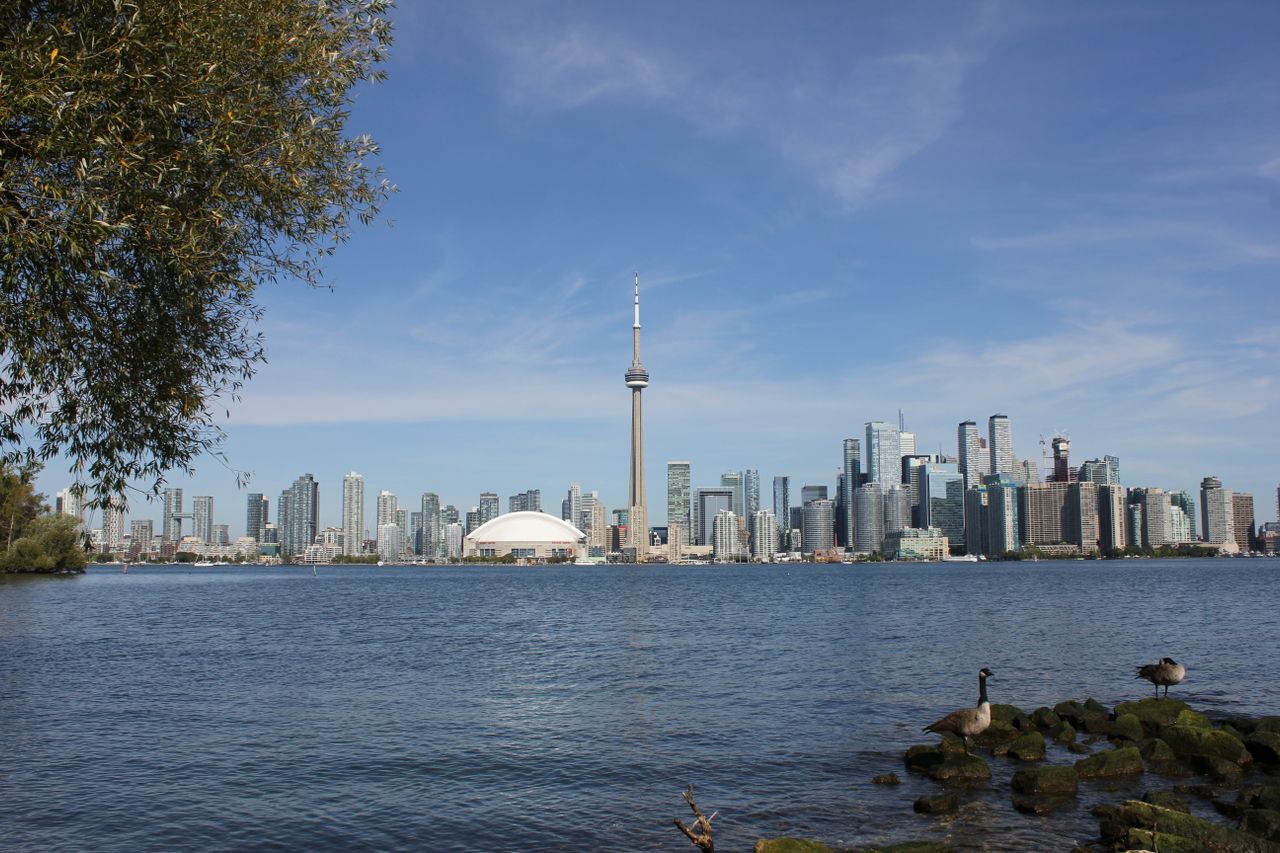
The typical home in the Greater Toronto Area costs $916,400, down 4.3% from the previous year. But the prices here vary considerably by property type. For example, for a detached home, you can expect a price of $1,194,200, whereas townhouses cost around $662,200. Above all, the condo apartments cost around $521,600.
Down Payment
You need to consider the minimum down payment, depending on the home's purchase price. You must put down at least 5% on the first $500,000 and 10% on the portion above $500,000, up to $1.5 million. And if you are buying a property priced at $1.5 million or more, it adds a minimum 20% down payment.
Closing Costs and Land Transfer Tax
You may face an additional cost. You have to pay both Ontario's provincial land transfer tax and the City of Toronto's municipal land transfer tax. For a $1 million home, each tax usually comes to $16,475 before any applicable rebates.
Inspection and Legal Fees
You need to set an additional budget for inspections and legal services before completing a purchase. Here, the home inspection typically costs $400 to $600 and is usually arranged during the conditional period. A real estate lawyer handles the legal paperwork at a cost of $1,500 to $2,500.
What To Consider Before Buying in Toronto?
Consider these five factors before making a decision:
Budget and Affordability
Although prices have eased, buyers will still have strong opportunities for negotiating. But you have to know that the purchase price is only one part of the total cost. Besides, you need to budget for the down payment, land transfer taxes, legal fees, and home inspection.
Toronto Neighborhood and Location
Beyond just judging pricing, location has a major impact on property prices. York is more expensive on average than Toronto. Whereas Peel and Durham tend to offer lower prices. Besides all this, condos in the surrounding 905 area also generally cost less than those within the city.
Property Age and Condition
Many Toronto homes are several decades old. So better you can check their condition before making an offer. In older properties, you can find outdated wiring, plumbing, or other systems that require costly upgrades. If you are buying a condo, request its status certificate.
Immigration and Foreign-Buyer Eligibility
Besides all the above, check your eligibility before planning a property purchase in Canada. There is a federal ban that currently restricts most non-Canadians from buying residential property. Canada's Budget 2026 generally extends the ban on the condition that you are buying existing homes, while exempting new builds.
Professional Real Estate Brokerage and Market Guidance
The best way is to work with a qualified real estate professional to make the buying process easier to manage. For instance, buyers must also sign a written buyer representation agreement before receiving client-level services. You can contact professional brokerages such as Michael St. Jean Realty, which works with buyers, sellers, and investors across Hamilton, Halton, and Niagara.
Is Buying in Toronto Better Than Renting in Boston?
When Buying Makes Financial Sense
- You plan to stay long-term.
- You have enough savings.
- Mortgage payments fit your budget.
- Property prices match your expectations.
- You want to build home equity.
- You can manage ownership costs.
When Renting Remains Practical
- You expect to relocate soon.
- You want lower upfront costs.
- You prefer predictable monthly expenses.
- You want fewer maintenance responsibilities.
- You are still exploring neighborhoods.
- You need greater financial flexibility.