Renting in Boston: What Florida Snowbirds Should Know Before Signing a Lease
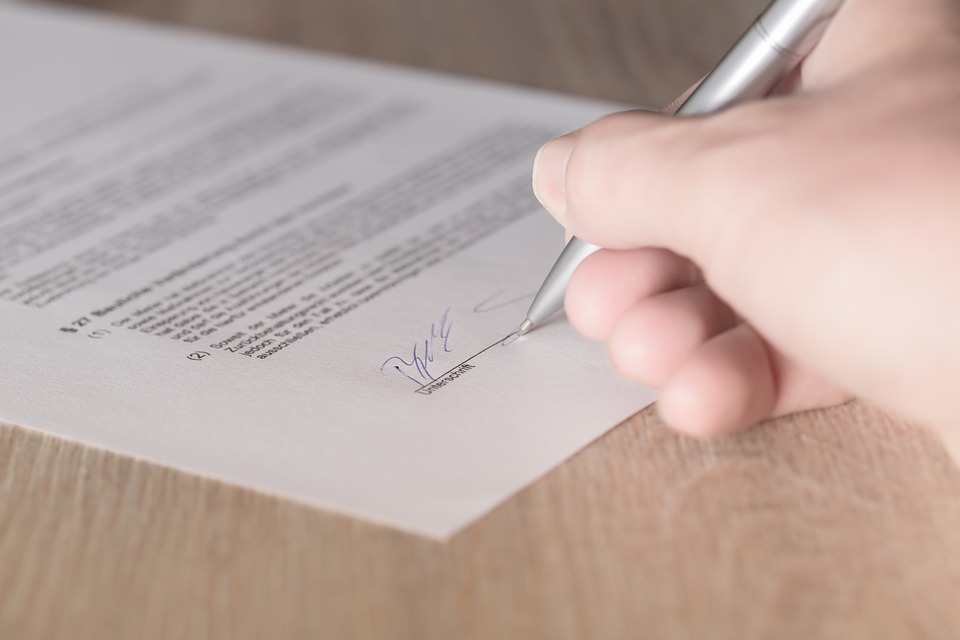
Most people who split their year between Boston and South Florida sign the second lease first and read it later. That order costs them. A deposit, a lapsed notice window, and a surprise clause or two add up to real money before the first winter even ends.
The crowd that does this well runs it like a small logistics operation, not a vibe. They pick a city address for the cold months, a warm-weather spot for the rest, and they pressure-test both leases against the same question: which home actually has to flex when life changes? If your answer is Florida, the property itself becomes the thing you protect, which is why homeowners there hire residential roofing services in Loxahatchee before storm season arrives rather than after the tarp goes up. Renters in Boston are buying shelter. Owners in Florida are protecting an asset. Know which one you are in each zip code.
Why a Boston Lease and a Florida Property Pull You in Opposite Directions
Boston is a lease town. You sign a term, you post a deposit, you live by the notice clause. Florida, depending on where you land, is often an ownership town with a whole different rhythm: insurance renewal dates, a roof that decides your premium, and a contractor calendar you can't negotiate with.
The friction shows up in timing. Boston leases cluster around September move-ins, so landlords expect decisions in late spring and summer. Florida weather risk clusters in late summer and fall. If you're juggling both, you'll feel the calendar pinching from two sides at once, and the person who loses is usually the one who signed first and thought second.
Here's my take, and it's a firm one: don't sign a full-year Boston lease if you plan to be gone more than three months. A nine-month term with a renewal option beats a twelve-month bargain almost every time for seasonal occupants, even when the rent is higher. You're paying for the exit, and the exit is worth it.
What Should You Check Before You Sign a Boston Apartment?
Treat the lease like a contract review, because that's what it is. Walk through the list below in one sitting with a notebook open.
- Break clause and buyout terms. Ask in writing what it costs to leave early. Then ask again when the number comes back vague.
- Sublet and guest rules. Some Boston landlords cap how long a guest can stay. If your Florida partner or family rotates through, that clause matters.
- Utilities and heat. In older Boston buildings, who pays for heat changes your winter budget far more than the advertised rent.
- Storage and parking. A car you keep in Florida and a bike you keep in Boston need different homes. Confirm both.
- Renewal and notice windows. Write the exact date you must give notice on a sticky note and put it on your fridge. Missing it is the single most common way seasonal renters lose a deposit.
One thing I'd push back on: the assumption that a furnished Boston unit is always the better deal. Furnished rentals carry a premium, and if you're keeping a full Florida household, you'll duplicate a lot of stuff. Crunch the cost of buying a bed and a couch twice before you decide the premium is paying for itself.
The Florida Side of the Equation
If your warm-weather base is a home you own, the move out of Boston each fall isn't just a packing project. It's a handoff to whoever watches the place while you're gone, and the list of things that age badly in an empty house is longer than people expect.
Water is the big one. An unoccupied house with a slow leak behind a wall can do serious damage before anyone notices the smell, which is why every seasonal owner should know where the main shutoff lives and who holds the spare key. The National Fire Protection Association has long flagged unattended cooking as a leading cause of home fires, and a kitchen you aren't standing in is a kitchen where a forgotten appliance doesn't announce itself. Being absent is a risk factor in its own right.
Roofs sit at the top of the list too, and not for aesthetic reasons. Wind-driven rain finds the same weak flashing every season, and a small water intrusion left alone through a Florida summer can turn into a gut renovation by fall. This is where your contractor relationships quietly earn their keep. A roofer who inspects before the rainy season and documents what they saw gives you a paper trail, and that paper trail is the thing your insurance company asks for when a claim goes sideways.
What does a seasonal owner actually need to line up?
Four relationships: a licensed roofer, a plumber on call, a neighbor or property manager with a key, and an insurance contact who knows the house is vacant part of the year. Vacancy is a disclosure issue with many carriers, and a claim that surfaces after an undisclosed empty summer can get complicated. Call your insurer before your first full season away, not after.
Repairs, Insurers, and the Paper Trail That Saves You
Contractor vetting trips up more seasonal owners than any other single step, mostly because they're vetting from a different state. The consumer research nonprofit Consumer Reports has spent decades teaching the same handful of basics: get multiple written estimates, verify licenses, and refuse to pay the full bill up front. Do those three things and you've avoided most of the horror stories.
Keep every receipt, photo, and inspection report in one cloud folder. When a roof is replaced or repaired, that documentation does two jobs. It tells the next buyer the house was cared for, and it supports your claim if hail or wind comes through. A shoebox of receipts is worth less than nothing in a dispute. A dated folder with before-and-after photos is worth real money.
The Federal Emergency Management Agency publishes widely used guidance on readying homes for storms, and almost all of it comes back to the same three habits: document your property, fix problems early, and know who to call when the weather turns. That's not glamorous advice. It's the advice that keeps a seasonal household from unraveling in one bad quarter.
Run Both Homes on One Calendar
Set your year on a single sheet of paper. Map the Boston lease dates against your Florida season, then mark the hard deadlines: notice windows, insurance renewal, roof inspection, the day your utilities switch back on. Three or four dates, one page, and the whole thing gets easier. I'd put notices and insurance at the top because those are the ones with penalties attached. The rest is logistics.
Then decide which address is your anchor and which one is your flexibility. Most people get this backwards for the first year or two, and it costs them a move. If Boston is your base, your Florida home should be the easier one to leave, not the one that keeps calling you back mid-winter for a repair.
The whole arrangement works fine when you treat each address on its own terms, one as a lease with deadlines and one as a property with weather exposure. Which of your two homes is the one that actually needs the calendar, the notebook, and the phone calls?