How Coastal Humidity Reshapes Rental Property Roof Decisions
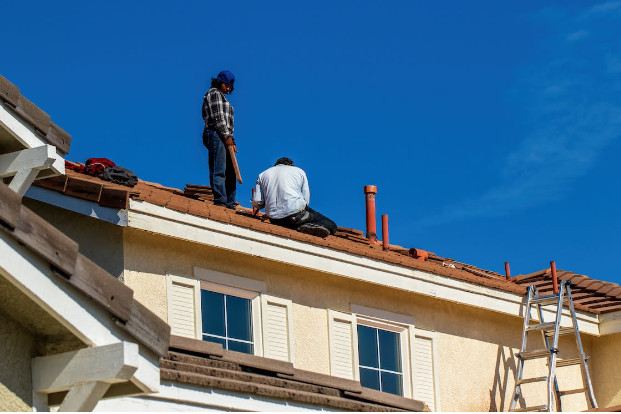
Forty percent. That is roughly the amount of extra wear I have watched rental property roofs absorb in humid coastal markets compared to dry inland ones, based on nothing more than a notebook of maintenance call dates kept over several years. The number is mine, not a published statistic, but the pattern behind it is real. Humidity does not just make the air feel thick. It gets inside the structure of a roof and changes how long it lasts, when you replace it, and how much you pay.
If you own a rental property near salt water, whether that is a triple decker in Dorchester or a single-family home in Palm Beach County, your roof is working under conditions your insurance broker never fully explained. You already know that moisture drives maintenance costs. What most property owners miss is that it also drives the calendar. Roofs in humid climates age on a different schedule than roofs in dry ones, and if you keep budgeting like you own an inland property, you will get caught flat-footed. Pairing your maintenance schedule with a roof installer in Loxahatchee who understands salt air and summer storms is one of the few line items that pays for itself twice: once in avoided emergency repairs, and again in the sale price.
Here is what I want to give you: a plain language look at what humidity actually does to residential roofing, how to spot the difference between a roof that needs a repair and one that needs replacement, and a short checklist you can run before you call anyone. No sales pitch. No scare tactics. Just the stuff I wish someone had told me before I bought my first coastal rental.
What Humidity Actually Does to a Roof
Water vapor is a tiny, patient thing. It slips into the gaps between shingles, into the underlayment, into the wood decking beneath, and it does not leave when the sun comes back out. In a dry climate, a roof dries fully between storms. In a humid coastal climate, it stays damp for days or weeks at a time, especially on the north facing slope where the sun never hits hard enough to bake it dry.
That constant moisture does two things. It breaks down the protective coatings on shingles faster, and it feeds the growth of algae and mold on the roof surface. Algae is ugly, but it is also a warning sign. When you see dark streaks running down the slope, the roof is holding water longer than it should. I have walked plenty of rental properties where a fifteen year old roof looked fine from the street and was already soft underfoot near the eaves.
The National Institute of Standards and Technology studies how moisture interacts with building materials, and the broad takeaway for anyone managing property is simple: moisture exposure accelerates material breakdown across nearly every common roofing substrate. You do not need a lab coat to act on that. You just need to check your attic after a heavy rain and look for damp spots on the underside of the deck.
Why Rental Properties Get Hit Harder
A rental property takes more roof abuse than an owner occupied home, and it is not close. Tenants rarely climb into the attic. They do not notice a small ceiling stain until it is a big one. They might run the bathroom fan less than they should. Every one of those small habits adds moisture to the building envelope, and in a humid climate the envelope cannot always push that moisture back out.
Then there is the turnover problem. When a tenant moves out, you have a short window to fix what they broke and re list the unit. A roof leak discovered during that window becomes an emergency, and emergency roof work costs more. I have watched this play out on a two family in Quincy where a slow leak from a failed pipe boot turned into a full plywood replacement over a three week vacancy. The roof itself was not old. It just could not dry out.
Repair or Replace: A Decision Rule That Holds Up
Most owners default to repair because it hurts less in the moment. That default is wrong more often than people admit. Here is the rule I use: if the damage covers more than a third of the roof surface, or if the roof is past the fifteen year mark and you are seeing repeat leaks in different spots, replace it. If it is one isolated spot on an otherwise sound roof under ten years old, repair it and document it.
Three things push that decision toward replacement:
- You have patched the same area twice in three years.
- The decking feels soft when you press on it from inside the attic.
- Your insurance carrier has started asking questions or raising the deductible.
Anything short of that, a repair is usually the right call, and a good contractor will tell you so even when they would make more money replacing. If they push replacement on a five year old roof with one cracked flashing, get a second opinion.
A Maintenance Checklist You Can Actually Run
You do not need a ladder. You need twenty minutes twice a year, once in spring and once in fall, and a flashlight.
Walk the perimeter of the house. Look at the ground for granules that have washed out of the shingles. A little is normal. A pile near the downspout is a red flag. Look at the roof slope from a distance and note any dark streaks, curling shingle edges, or missing pieces. Then go inside, open the attic hatch, and shine the flashlight up at the underside of the roof. You are looking for water stains, black spots, or daylight coming through where it should not be.
The Department of Energy publishes guidance on home moisture control that is worth skimming, mostly because it makes clear that roof performance and attic ventilation are linked. A roof that cannot breathe will fail faster no matter how good the shingles are. If your attic has no ridge vent and no soffit vents, that is the real problem, not the shingles.
What Humid Markets Change About Your Budget
Every major material system has a different life expectancy in a humid coastal climate than the number printed on the box. Asphalt shingles that might last twenty five years inland can hit the end of useful life closer to fifteen in a humid, storm exposed market. Metal roofing holds up better to moisture but costs more up front. Tile performs well but needs a sound underlayment, and underlayment is where humid climate failures usually start.
The Environmental Protection Agency maintains resources on moisture and mold in buildings that back up the general rule: keep water out and let the structure dry. That is the whole game. Your budget should assume a shorter replacement cycle than the national average and a slightly higher allowance for ventilation upgrades at the time of replacement. Factor that in now, and you will not be surprised later.
I would pick metal over asphalt for a coastal rental if the numbers allow. The up front cost stings, but the reduced maintenance calls over a fifteen year hold make it the better bet, and I have never regretted recommending it.
Finding Someone Who Knows the Local Climate
The biggest mistake owners make is hiring a cheap roofer from three towns over who does not know how local weather behaves. A contractor who works in a humid coastal market every week knows which underlayments hold up, which flashing details fail first, and how to schedule work around storm season. That knowledge is worth paying for.
Ask three questions before you sign anything: How many roofs have you replaced in this county in the last year? What underlayment do you use in coastal conditions, and why? Who handles the permit, and will you put your warranty in writing? If the answers are vague, keep calling.
Your roof is the one part of the property that protects everything else. Treat its schedule like you treat your mortgage payment: predictable, planned for, and not something you want to discover by surprise.
So here is the question worth sitting with. When did you last actually look at the underside of your roof, not from the street, but from inside the attic? If you cannot remember, that is your answer for this weekend.