What Homeowners Actually Pay for a Roof Replacement (and How to Plan for It)
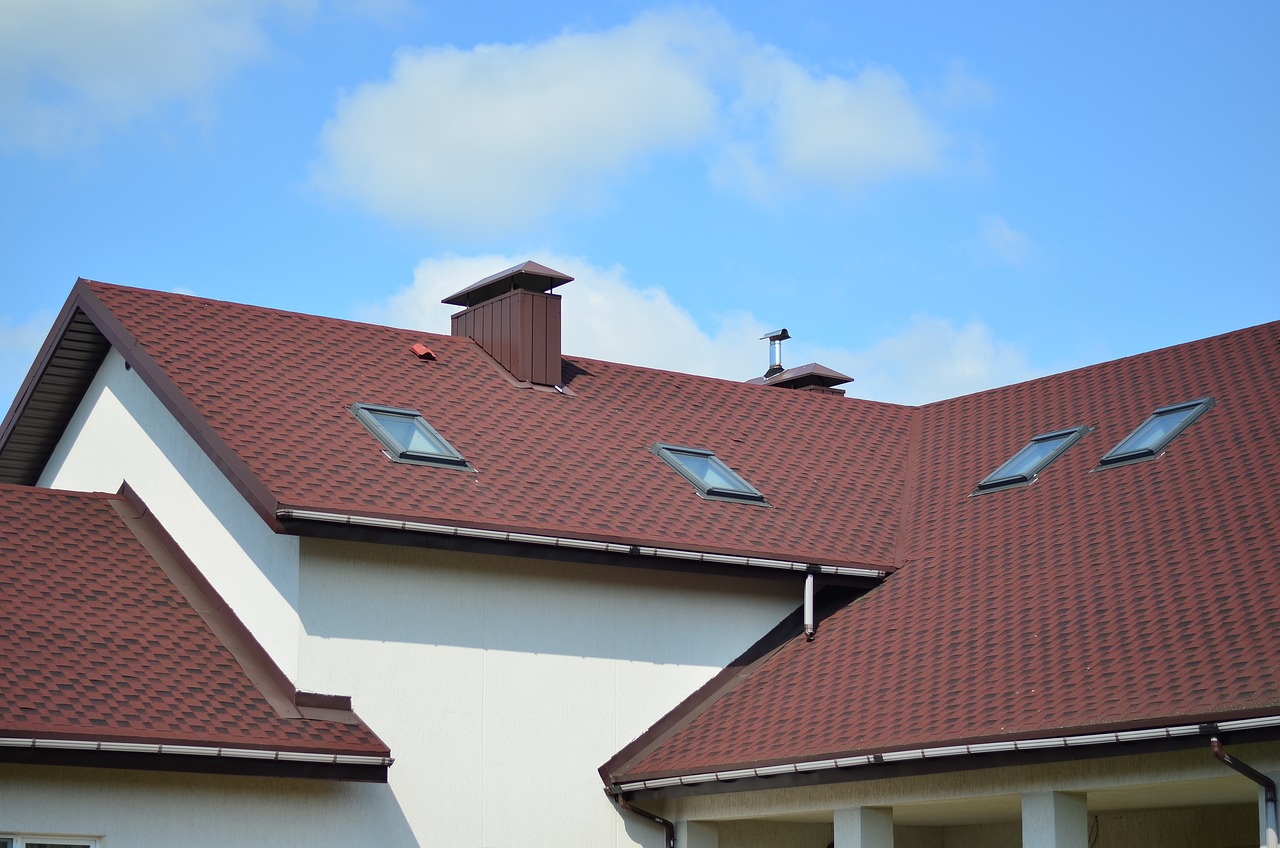
Nine grand. That's the number a friend of mine got quoted for a roof on a 1,400 square foot house, roughly double what he'd budgeted. He'd assumed asphalt was asphalt, and that a roof was one line item with one price. It isn't.
Roof work is one of the few home expenses where the quote can swing by five figures for the same house depending on material, decking, and how much hidden damage is waiting underneath. If you're sorting out what a project like this looks like, a quick reality check on local roof replacement cost in Alexandria, VA is a smart first move, because the range is wider than most people expect. Whether you're maintaining a property you own, managing a building for someone else, or just trying to understand the numbers behind a place you rent, the same three variables drive the price: size, material, and what the tear-off reveals.
Here's the short version. Asphalt shingles remain the default for most homes because they balance price and lifespan better than anything else on the market. Step up to architectural or impact-resistant shingles and the number climbs, but so does the time before you do this again.
Why Roof Prices Swing So Wildly
Think of a roof quote like a restaurant check. The entree is the shingle itself, but the sides add up fast, and nobody orders just the entree.
Three things push the total around:
- Roof size and pitch. A steep, cut-up roofline takes longer to tear off and re-deck, and labor is where the money goes.
- Material. Standard three-tab shingles cost the least up front. Architectural shingles cost more but hold up longer. Metal, cedar, and slate sit at the top of the scale.
- What's underneath. Rotted decking, failed flashing, and poor attic venting turn a straightforward job into a repair project.
There's also the season. Roofers book out during dry stretches and slow down when the weather turns, so timing your project can move the number more than you'd think. I'd rather pay a little more in a slow month than scramble for whoever's free after a storm.
The Two Quotes You Should Always Compare
Ask for a price on standard shingles and a price on architectural shingles, side by side, in writing. That single request tells you whether the second option is a reasonable upgrade or a sales pitch dressed up in nicer numbers. If the gap is modest and the warranty runs longer, take the upgrade. If it's enormous and the warranty is nearly identical, save your money.
And insist the quote spells out what happens if the crew finds damaged decking. A vague "additional repairs as needed" line is how budgets quietly double.
How Weather in the Northeast Shortens Roof Life
Roofs here take a beating. Freeze-thaw cycles work water into tiny gaps, and summer heat bakes shingles until they curl. According to the National Oceanic and Atmospheric Administration, severe weather events have grown more frequent and costly across the country in recent decades, and coastal New England sits right in the path of that trend. A roof that would last thirty years in a mild climate may need attention far sooner here.
That math matters when you're deciding between repair and replacement. Patching a roof in its last third of life usually just delays a bill you're going to pay anyway, plus the cost of the patch itself.
A Simple Walk-Around You Can Do This Weekend
You don't need a ladder. Grab binoculars and walk the perimeter of your building. Here's what I'd check, in this order:
- Granules in the gutters. Piles of sandy grit mean the shingles are shedding their protective surface.
- Curling or missing tabs. Look along the edges and ridges where wind does the most damage.
- Stains on ceilings. Brown rings or peeling paint upstairs point to water getting in above.
- Flashing around chimneys and vents. Most leaks start at the seams, not the middle of a field of shingles.
- Sagging roof lines. This one is serious. Call a professional rather than guessing.
Write down what you find with dates. If you ever file an insurance claim, that log is worth more than a photo taken the day after a storm.
The Paperwork That Saves You Real Money
Roofing is one of the few upgrades where the government actually helps with the bill, at least in some cases. The U.S. Department of Housing and Urban Development outlines federal programs that support home improvement and rehabilitation for qualifying properties, and some lenders fold roof work into those options. It's worth a phone call before you assume you're paying cash.
Insurance is the other lever. Storm damage is often covered, wear and tear never is. Knowing which category your situation falls into changes who writes the check, so read your policy before you call a contractor, not after.
One more thing people forget: ventilation. A sweltering attic cooks shingles from below. The U.S. Department of Energy's ENERGY STAR program explains how proper attic sealing and ventilation reduce heat buildup, and a roofer who mentions it without being asked is usually the one worth hiring.
Picking a Contractor Without Getting Burned
I've watched two neighbors go through this in the same year. One hired the cheapest bid and spent the following spring chasing the crew for warranty work. The other paid more up front and hasn't thought about the roof since. Price matters. So does a local address, a physical office, and a crew that will still answer the phone in three years.
Ask for proof of insurance, a written timeline, and the manufacturer's warranty in your name. If someone pressures you to sign the same day because "the price goes up tomorrow," that's your cue to keep the pen in your pocket.
What This Means If You Rent
None of this is your bill, and it still affects you. Roof work means scaffolding, noise, and workers on the property for days. If you rent in a multi-unit building, the smart move is simple: report ceiling stains and water damage in writing, every time, even if it looks minor. A paper trail protects your security deposit, and it nudges the owner to act before a small leak becomes a big claim.
Renters who document issues well tend to get faster responses. I know that sounds small. It isn't.
Where to Go From Here
A roof is a decade-scale decision, not a weekend errand, and the price range is wide because the variables are real. Get two materials quoted, walk the property once a season, and keep a written record of everything you see. That's the entire strategy, and it works whether you own the building or just live in it.
When's the last time you actually looked up at yours?