What Boston Property Owners Can Learn About Roof Repair From Weather-Prone Regions
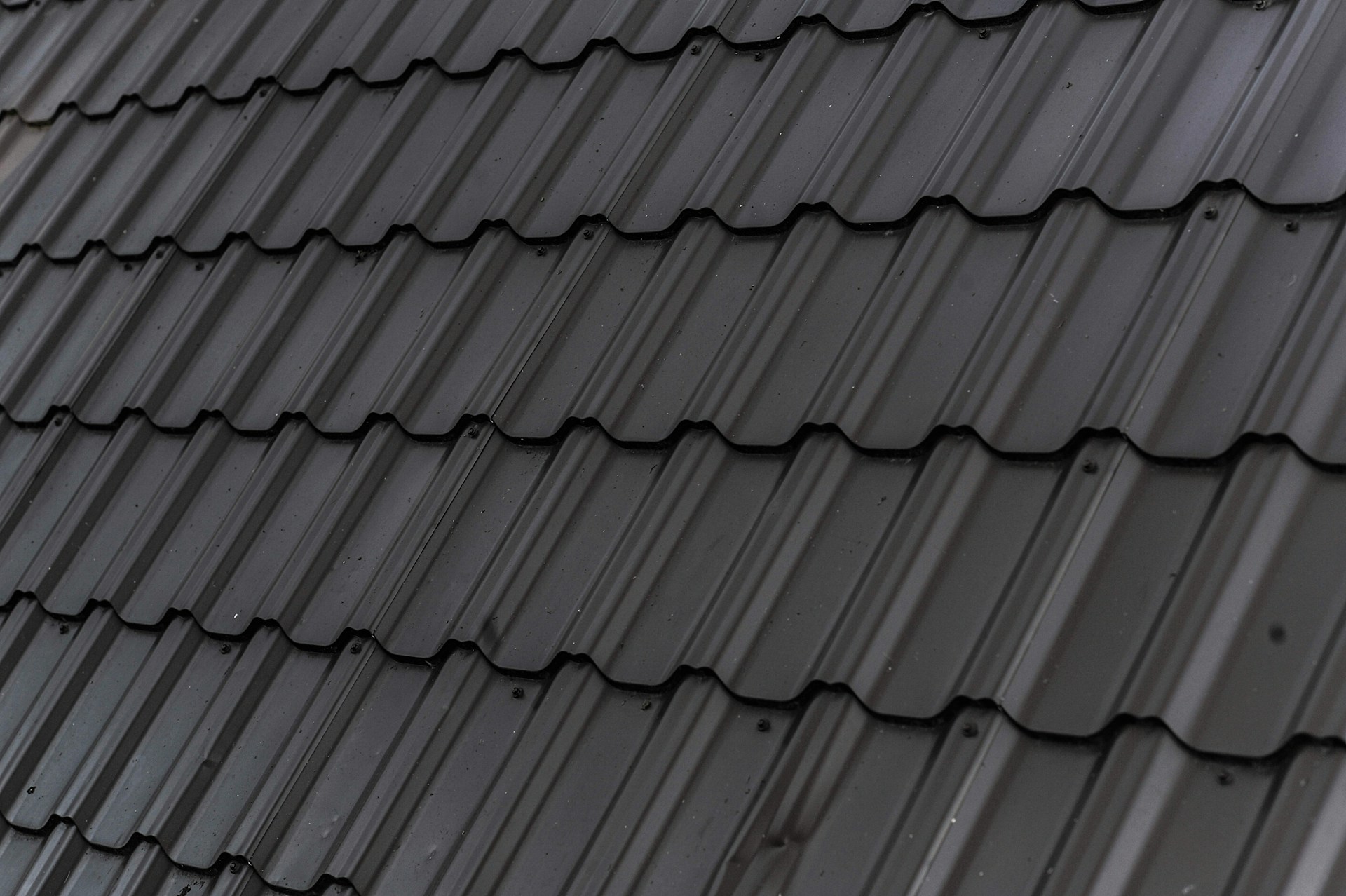
Boston property owners have to think carefully about roof maintenance because the local climate puts steady pressure on buildings. Snow, wind, coastal moisture, summer heat, heavy rain, and freeze-thaw cycles can expose weak points in a roofing system. For owners of rental homes, duplexes, small apartment buildings, and larger residential properties, delayed repairs can affect tenant comfort, operating costs, insurance concerns, and long-term property value.
Metal roofing is often chosen for durability, but it still requires attention. Fasteners can loosen, seams can shift, flashing can wear down, coatings can deteriorate, and storm debris can damage the surface. By looking at how owners in other weather-prone regions maintain these systems, Boston landlords and homeowners can address small issues before they become expensive structural problems.
Climate Should Shape Repair Priorities
A metal roof that performs well in a dry, mild region may face different repair needs in Boston. New England properties deal with moisture throughout the year, from winter snow and spring rain to humid summers and coastal storms. When temperatures move above and below freezing, expansion and contraction can affect panels, seams, sealants, flashing, and fasteners.
In demanding climates, property owners often inspect metal roofs with specific questions in mind. Are there loose screws or lifted panels? Has sealant started to crack around penetrations? Are seams allowing moisture inside? Is rust forming near scratches, edges, or drainage points? Are gutters and valleys moving water away from the building properly?
Boston owners can benefit from the same repair-focused approach. Repairs should not begin only after water enters the building. Regular inspections can identify early signs of movement, corrosion, impact damage, and drainage trouble before they affect ceilings, insulation, walls, or tenant spaces.
Larger Properties Need a Repair Plan
Property size changes the repair strategy. A larger roof has more surface area exposed to wind, rain, snow, sunlight, and debris. It may also include more valleys, vents, chimneys, gutters, drainage points, seams, and roof planes. Each feature can become a repair concern if it is not checked regularly.
For Boston owners managing rental homes, duplexes, or small multi-unit buildings, metal roof repair should be part of a long-term maintenance plan rather than a reaction to visible leaks. Larger properties usually create more opportunities for fastener wear, sealant failure, ice buildup, drainage issues, and panel damage. A minor weakness in one area can spread if water moves beneath the roofing system.
Owners in harsh climates often consider service life, drainage, ventilation, repair access, and maintenance requirements before deciding how to handle roof issues. The right approach depends on the building, but the goal is always to restore weather resistance and prevent interior damage.
Weather-Prone Regions Prioritize Early Intervention
Boston is not the only place where metal roofs face difficult conditions. In regions with strong wind, wide temperature swings, hail, intense sun, or long winters, property owners often focus on early intervention instead of waiting for major failure.
Wind-prone areas may require inspections for lifted panels, loosened fasteners, and damaged edges. Snow-heavy regions often focus on ice control, load management, and water backup near roof transitions. Rainy climates depend heavily on flashing, seams, gutters, and drainage paths. Hot regions may see coating wear, sealant fatigue, and thermal movement that affects roof performance.
Boston owners do not need to copy another region's strategy exactly. Local buildings have their own challenges, including older housing stock, narrow lots, historic details, and winter moisture. Still, the broader principle is useful: address roof problems based on the conditions the climate creates, not only on damage visible from the ground.
Durable Work Depends on the Whole Roofing System
Repairing a metal roof is rarely limited to a single panel or fastener. A visible leak may come from flashing, sealant, underlayment, roof penetrations, drainage problems, or movement in another section. Treating only the ceiling stain or obvious surface defect can leave the real cause unresolved.
This is especially relevant in Boston, where many properties have older construction details. A repair may reveal damaged decking, weak ventilation, aging sealant, or hidden drainage issues. Ignoring those conditions can shorten the life of the fix and increase the chance of recurring leaks.
Owners in weather-prone regions often treat the roof as a complete system. They examine how water leaves the building, where snow collects, how air moves through the attic, and whether gutters can handle heavy rain. Boston property owners can apply the same thinking so each repair addresses both the symptom and the cause.
Energy Performance Can Be Affected by Roof Condition
Energy efficiency is often associated with new roofing materials, but roof condition also matters. Damaged panels, failing seams, poor ventilation, and moisture intrusion can affect how well a building manages heat, airflow, and indoor comfort. For rental properties, comfort can influence tenant satisfaction and utility expectations.
Some roofing materials and surface designs reflect more sunlight than others. The Department of Energy provides guidance on energy-efficient roofing materials, including products designed to reduce heat absorption. For Boston property owners, maintaining the roof surface, coating, ventilation, and drainage can help preserve performance through summer heat and winter weather.
Repair decisions should be weighed alongside durability, cost, and maintenance planning. A metal roof that is serviced promptly and inspected regularly is more likely to support predictable operating costs than one left to deteriorate until leaks or insulation damage appear.
Maintenance Planning Protects Rental Income
For landlords, problems with metal roofing can affect cash flow. A leak may damage ceilings, walls, insulation, flooring, and tenant belongings. Emergency repairs often cost more than planned maintenance, and repeated roof issues can frustrate tenants when work disrupts their living space.
Owners who wait until water enters the building often pay more than those who correct small defects early. Seasonal roof checks, gutter cleaning, flashing inspections, fastener reviews, sealant touch-ups, and prompt surface repairs can help prevent larger failures.
Boston property owners should be especially mindful before and after winter. Ice dams, clogged gutters, loose fasteners, damaged flashing, and poor drainage can worsen during cold weather. For larger rental properties, multiple tenants, shared entries, common walls, and finished upper-floor units can increase the cost and disruption of roof failure.
Repair Timing Can Affect Long-Term Value
Every property owner eventually has to decide whether continued repairs still make sense. A small fastener issue, isolated flashing defect, or minor coating problem may be manageable. Repeated leaks, widespread corrosion, panel movement, water stains, mold concerns, and rising repair bills may point to a larger roofing problem.
Boston owners should also consider the roof's age and their plans for the property. A landlord planning to hold a building for many years may view repair investments differently from an owner preparing to sell. A roof with unresolved problems can affect buyer confidence, inspection results, and negotiation leverage.
When the roof is repeatedly causing problems, reviewing the choice between roof repair or replacement can help owners think through the financial and practical tradeoffs. Replacement is not always the immediate answer, but owners should avoid paying for short-term fixes when the roof no longer provides reliable protection.
Repair Lessons Should Be Applied Locally
Boston property owners can learn from other weather-prone regions, but the final repair plan should reflect local building conditions. A method that works well in the Midwest, the South, or a mountain region may need adjustments for Boston's moisture, architecture, winter cycles, and neighborhood requirements.
Local codes, building age, roof pitch, attic ventilation, drainage patterns, and property use all matter. A small owner-occupied home may have different repair needs from a multi-unit rental building. A low-slope metal roof may require a different approach from a steep residential roof. Historic properties may also involve appearance restrictions or special installation considerations.
The best lesson from other regions is that harsh weather rewards early action. Owners who consider climate, property size, maintenance history, energy performance, and long-term value are more likely to correct roof problems before they threaten the building beneath them.
Protecting Long-Term Property Value
A metal roof is one of the most important protective systems on a Boston property. It shields the structure, supports tenant comfort, reduces maintenance risk, and influences how buyers, renters, insurers, and inspectors view the building. Keeping it in good condition requires more than reacting to leaks.
Weather-prone regions show that successful repair planning begins with realistic expectations. Property owners should consider how panels, seams, fasteners, flashing, coatings, drainage, and ventilation will perform after years of storms, snow, heat, wind, and seasonal movement. They should also think about how delayed work could affect tenants and whether the roof still supports the property's long-term value.
For Boston landlords and homeowners, the strongest strategy is one that fits the local climate while borrowing practical lessons from other demanding regions. A metal roof maintained with timely repairs, regular inspections, and property-specific planning can help protect both the building and the investment behind it.