Roof Repair or Replacement: A Property Owner's Guide
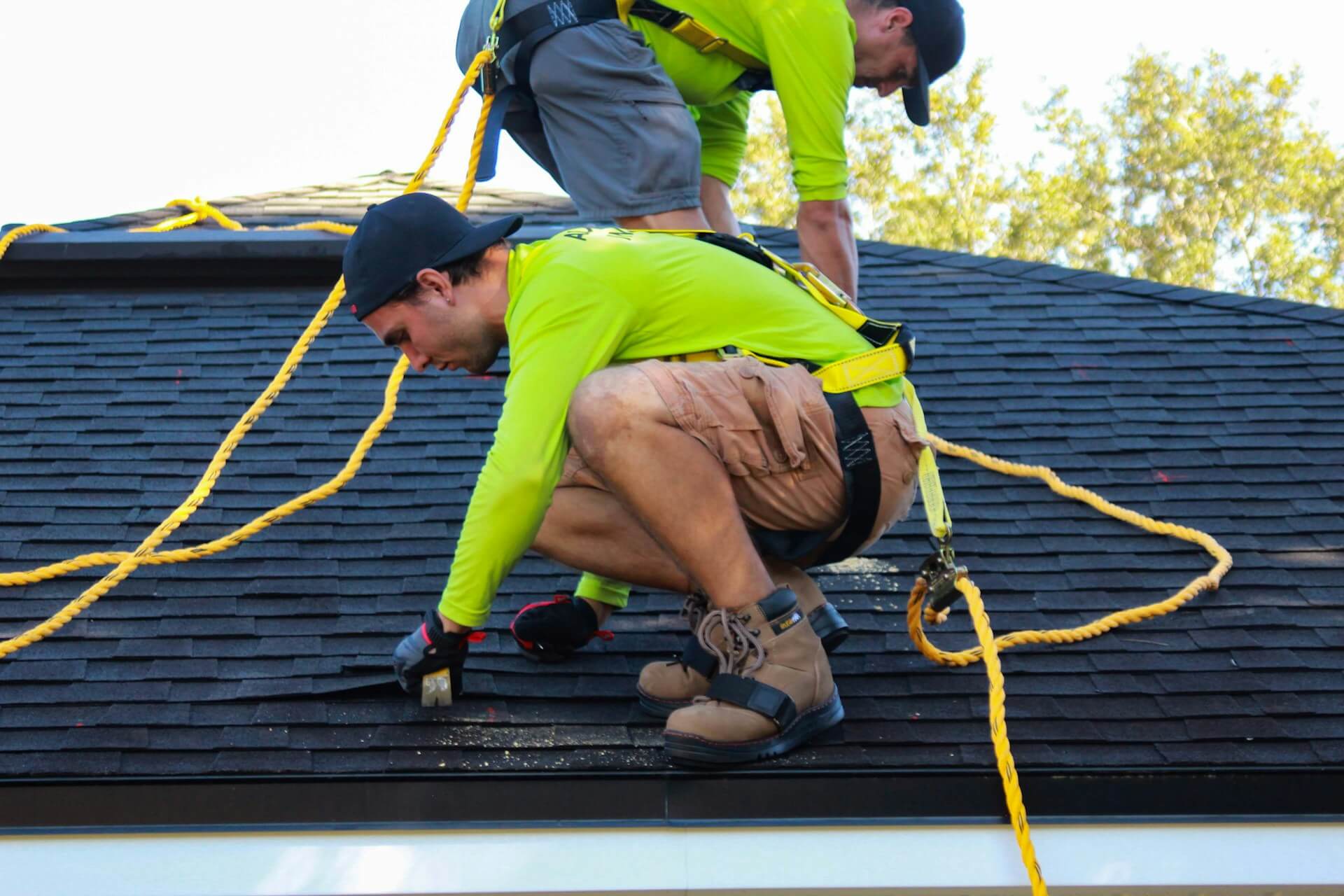
Every roof gets old. And at some point, usually right when the budget is tight, you're standing in the yard wondering whether this is a patch job or a full tear-off. For a homeowner it's a headache. For a landlord or investor, it's a line item that hits cash flow, tenants, and the property's value all at once.
Choosing between roof repair and replacement isn't guesswork, though. There's a rough framework that takes most of the emotion out of it. It comes down to a couple of numbers, how long you plan to hold the place, and what a good contractor finds once they get up there. Here's how to work through it.
Start With Two Numbers
Before you weigh anything else, get two figures in front of you.
One is how much life the roof has left. Most asphalt shingle roofs run about 20 to 25 years. A roof at year eight with a single trouble spot is a different animal from one at year twenty-two leaking in three places. Age sets the ceiling on how much sense a repair makes.
The other is the repair bill as a share of a full replacement. Contractors often use a simple rule of thumb: if repairing the roof costs a large share of a replacement and the roof is already nearing the end of its service life, replacement often provides better long-term value. A small flashing fix on a healthy roof? Easy call, repair it. If a repair costs a third or more of a replacement on a roof that's already past its prime, that money is often better spent on the real thing.
Neither number is exact. But together they tell you which side of the line you're on before a single shingle gets touched.
When a Repair Is the Right Move
Repair makes sense when the damage is contained and the roof is otherwise sound. Think a section of shingles torn off in a storm, a bit of failed flashing around a chimney or vent, or a small leak caught early before it spread. These are local problems with local fixes. You spend a few hundred to a couple thousand dollars, the issue is gone, and the roof keeps doing its job.
Repairs also make sense when you need to buy time. Maybe the roof has a few years left and the budget isn't there for a replacement yet. A solid repair can carry a decent roof further without much drama. Just be honest with yourself about whether you're solving the problem or postponing it.
When Replacement Wins
Once a roof is old and failing in more than one spot, repairs stop paying off. You fix one leak, and another opens up a season later. At that point you're spending real money to keep a roof alive that needs to be retired anyway.
Replacement is also the answer when the trouble runs below the surface. If moisture has worked its way into the decking across a wide area, or the roof already carries two or more layers of old shingles, patching over it won't hold. And for anyone about to sell or refinance, a fresh roof clears the single biggest question a buyer, appraiser, or lender tends to raise about the property. Roofing is often among the home improvements that retain a relatively high share of their cost at resale, and the National Association of Realtors flagged new roofing with a top satisfaction score in its 2025 Remodeling Impact Report.
The Factor Owners Forget: How Long You'll Hold It
Here's the piece people skip. The right answer depends on how long you plan to keep the property.
If you're selling next spring, a targeted repair that gets you through the sale can be the smarter spend, as long as it holds up through inspection and you disclose it honestly. If you're holding the building for another fifteen years, a replacement you'd need eventually is often worth doing now, before repeated repairs quietly add up to more than a new roof would have cost.
Landlords have an extra wrinkle: tenant disruption. A full tear-off means noise, debris, and days of crews on site. On an occupied multi-family, that's worth scheduling around, and worth weighing against a smaller repair that keeps tenants in place and the rent coming in.
Repairs and Replacements Aren't Treated the Same on the Books
For a rental or investment property, there's a money angle beyond the invoice. A repair and a replacement usually land differently at tax time.
Broadly, a straightforward repair that keeps the roof in working order is often treated as an expense you can deduct in the year you pay for it. A full replacement is more likely to count as a capital improvement, something you recover slowly through depreciation over years rather than all at once. The rules have plenty of fine print, and they change, so this is a conversation for your accountant rather than a blog post. Still, it's worth knowing that the repair-or-replace choice can shift more than your maintenance budget. For the basics on how these costs are handled, here's a plain rundown of real estate taxation.
Get a Real Assessment Before You Commit
All of this gets a lot easier once someone qualified is up on the roof. A good roofer will tell you which shingles have life left, whether the decking underneath is solid, and whether a repair holds or just delays the same bill. For a clear-eyed take on deciding between roof repair and replacement, bring in a licensed contractor who inspects the whole system before quoting a number, not one who eyeballs it from the driveway.
A few things are worth doing no matter which way you lean. Get more than one written estimate on a big job. Check that whoever you hire is licensed and carries insurance, and read some recent reviews. Home inspectors also publish practical guidance on what a sound roof should look like, and InterNACHI's roofing overview is a fair place to calibrate before you talk to contractors. Structural work usually needs a permit too, so a straight operator will build that into the plan instead of skipping it.
Making the Call
So, repair or replace. If the roof is young and the damage sits in one place, fix it and get on with your year. If it's old, leaking in more than one spot, or rotting underneath, replacement is usually the move that protects both your cash and the property's value. And if you're a landlord, fold in your hold period and your tenants before you decide. The one choice that rarely works out is ignoring it and letting a leak or a buyer's inspector make the decision for you.
Frequently Asked Questions
How do I know if my roof needs repair or replacement?
Start with age and the size of the problem. A younger roof with one contained issue usually just needs a repair. An older roof with leaks in several spots, or damage that reached the decking, is pointing toward replacement. A licensed roofer can confirm which by inspecting the whole system, not just the visible damage.
Is it cheaper to repair a roof than replace it?
Almost always in the short term, yes. A repair is a fraction of a replacement's cost. The catch is repeat repairs on an old roof, which can quietly add up to more than one replacement would have cost. That's why the roof's remaining life matters as much as the price of any single fix.
Should landlords repair or replace a roof on a rental?
It depends on how long you're keeping the building and how disruptive the work is to tenants. For a property you'll hold for years, replacing an aging roof now can beat a string of repairs later. For a near-term sale, a solid repair that survives inspection may be the smarter spend. The tax treatment differs too, so loop in your accountant.