Your Guide to Planning a Shared Play Area at an Apartment Community
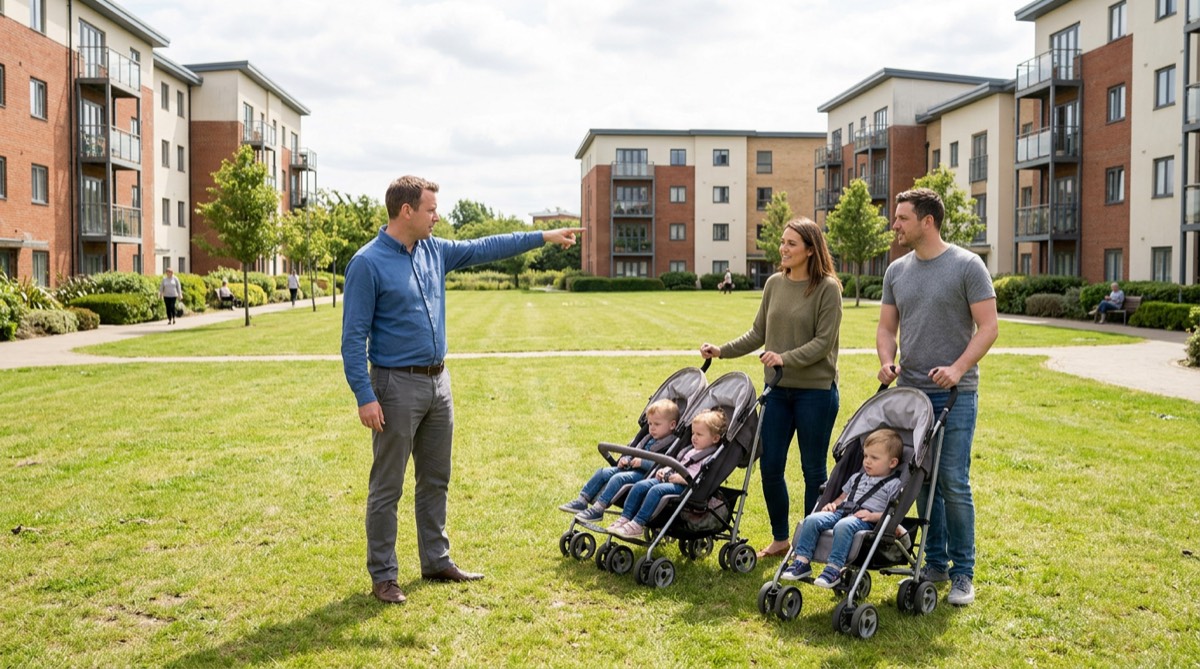
The resident survey came back with one clear request: somewhere for the kids to play. Families with toddlers want a safe spot close to home, parents of older kids want something more than a patch of grass, and the owners want to know what it will take before they approve a budget.
A shared play area can become one of the most used amenities at an apartment community, but it needs careful planning to be safe and stay that way. This guide walks property managers through the main decisions, starting with who the space is for.
Start With Who Will Use the Play Area
The age of the children who will use the space shapes nearly every other decision. Equipment designed for toddlers looks and works very differently from structures built for school-age kids.
Look at your resident data and survey results to see which age groups you have now, and think about who your community attracts. Many communities have a mix, which means planning for more than one age group in the same area.
When you serve several ages, plan separate zones. The CPSC's Public Playground Safety Handbook says areas for different age groups should be separated at least by a buffer zone, which could be an area with shrubs or benches. Plan a separate zone for each age group rather than mixing everyone on one structure.
Measure the Space You Have
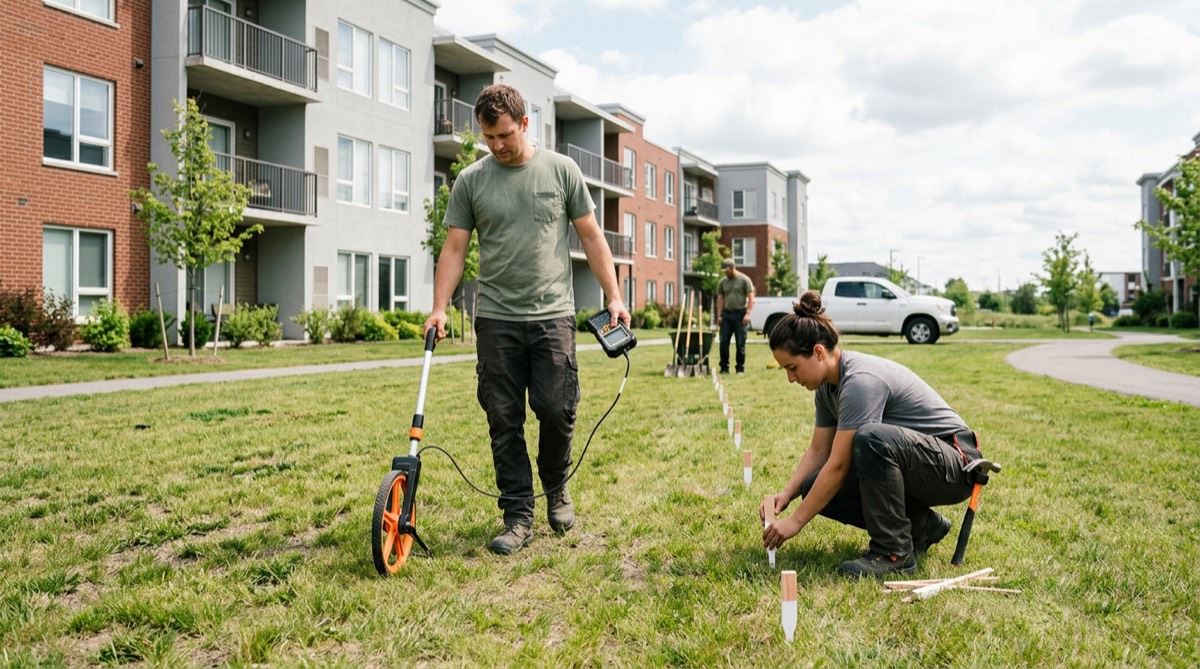
The available space decides how much equipment you can fit, because play equipment needs open ground around it as well as the footprint of the structure itself. Measure the full site and note its features before you look at equipment.
That open ground is called the use zone. The CPSC handbook says the use zone should extend a minimum of 6 feet in all directions from the perimeter of the equipment. Ask your supplier for the use zone each piece needs.
Record these site details along with the measurements:
- Sun and shade through the day
- Drainage after heavy rain
- Sightlines from apartments and walkways
- Distance from parking lots and roads
- Access for residents using strollers or wheelchairs
A site that's visible from several apartments and well away from traffic is usually easier to keep safe than a hidden corner of the property.
Choose Commercial-Grade Equipment
An apartment community needs commercial playground equipment, not residential backyard sets. Commercial equipment is built for many children using it every day and for the safety standards that apply to public play areas.
Match the equipment to the ages and numbers you planned for. Shortlisting is easier when equipment is grouped by age. Playground equipment from WillyGoat, for instance, is organized into play systems age-rated for specific groups, which helps you pick structures for each zone. Check each shortlisted system's recommended use zone and capacity against your site plan before you request quotes.
Ask every supplier for the safety standards each piece meets, and keep that documentation with your property records. You'll want it for insurance and future inspections.
Bring In Professionals for Layout and Installation
A professional layout and installation protects children and the property. Playground safety depends on details that are easy to get wrong without experience, such as fall heights and anchoring.
Work with your supplier, a landscape architect or an experienced playground installer, and ask how each part of the plan meets current safety guidelines.
Layout and Safety Zones
A professional layout places each structure with its full use zone, keeps paths clear and separates age groups. Ask for a scaled site plan before anything is ordered.
Protective Surfacing
The ground under and around equipment needs protective surfacing suited to the equipment's fall height. Discuss options, maintenance needs and accessibility with your installer.
Installation
Commercial equipment should be installed according to the manufacturer's instructions by an experienced installer. Proper installation also matters for warranty coverage.
Top Tip: Before you sign off on the layout, walk the site with the plan in hand at the time of day families are most likely to use it. Look at where parents will sit, where the sun lands and how children will get from the building to the play area.
Set Up Inspection and Maintenance From Day One
A play area stays safe only with regular inspection and upkeep, so put a schedule in place before it opens. Assign a specific staff member or contractor to own it.
Use a written checklist and keep a log of every inspection and repair. A routine might include:
- Daily or weekly walk-throughs for litter, damage and hazards
- Monthly checks for loose hardware and worn parts
- Regular raking and topping up of loose-fill surfacing
- A thorough annual inspection by a qualified inspector
- Prompt repair or closure of anything unsafe
Keep an inspection log for every visit, signed and dated. It shows exactly what was checked and when, which helps with insurance and with residents who ask questions.
Write Clear Rules and Share Them With Residents
Clear rules help residents use the play area well and set expectations from the first day. Keep them short and post the rules at the play area entrance.
Cover opening hours, the age range for each zone and the expectation that children are supervised by an adult. Add a phone number or email for reporting damage or concerns.
Share the rules in a resident newsletter or welcome email when the area opens, and ask families for feedback after the first few months. Their comments will tell you what's working and what to adjust.
Share a Draft Plan With Residents This Month
A well-planned play area starts with knowing who will use it and how much space you have. The equipment and layout follow from those answers.
This month, survey residents about the ages of their children and measure the site you have in mind. With that information, you'll be ready to talk to suppliers and installers with a clear brief.
Frequently Asked Questions
How much space does a playground need around the equipment?
The CPSC's Public Playground Safety Handbook says the use zone should extend a minimum of 6 feet in all directions from the perimeter of the equipment. Ask your supplier for the exact use zone each piece needs.
Should younger and older children share the same play area?
Plan separate zones for different age groups, separated at least by a buffer zone such as shrubs or benches. Equipment for toddlers is very different from structures built for school-age children.
How often should apartment playground equipment be inspected?
Set up regular walk-throughs, monthly checks for loose hardware and a thorough annual inspection by a qualified inspector. Keep a signed and dated log of every inspection and repair.