Why Pickleball Courts Are Becoming a Popular Amenity in Residential Communities
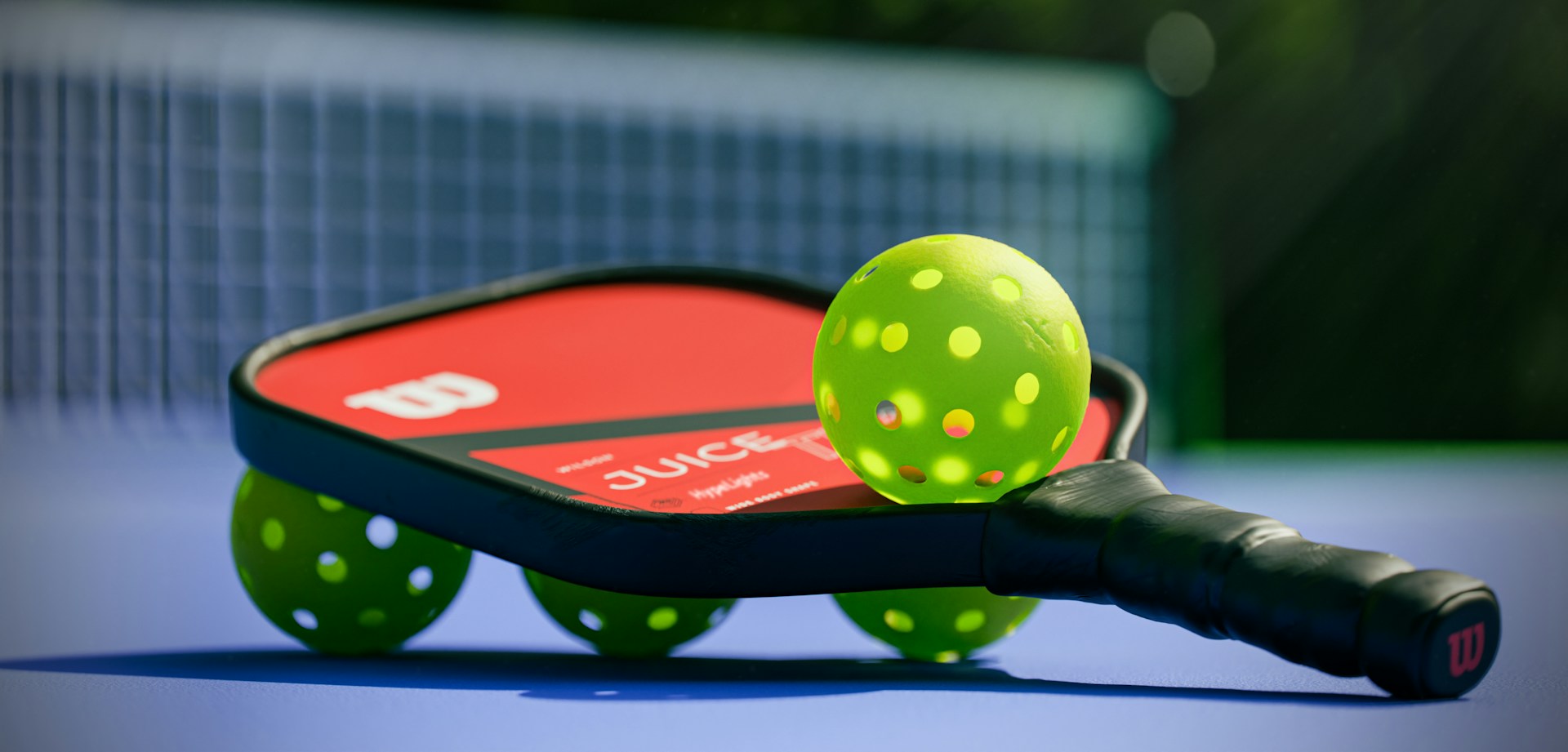
Residential communities are increasingly investing in recreational amenities that encourage physical activity, social interaction, and a better quality of life. Pickleball has become an attractive option because it is accessible to different age groups, requires relatively little space, and creates opportunities for residents to connect. Property developers exploring pickleball courts for apartment communities can learn about professional court installation in Nashville, including surface preparation, court design, and construction considerations for residential recreational spaces. As expectations for modern housing continue to evolve, dedicated sports facilities are becoming valuable additions to residential developments.
The Growing Popularity of Pickleball
Pickleball combines elements of tennis, badminton, and table tennis, creating a sport that beginners can learn relatively easily. Its straightforward rules and smaller playing area appeal to residents who want recreational activities without extensive training or expensive equipment. Unlike some competitive sports, pickleball can accommodate casual games, friendly competitions, and organized community events.
The sport also appeals to people across different generations, making it suitable for residential communities with diverse populations. Younger residents may enjoy its competitive nature, while older adults often appreciate the opportunity to remain active through a relatively low-impact activity. This broad appeal allows property managers to introduce an amenity that serves multiple resident groups rather than a narrow audience.
Encouraging Social Connections Among Residents
Creating opportunities for meaningful interaction is an important part of developing successful residential communities. Pickleball courts provide a shared gathering place where neighbors can meet, participate in friendly matches, and build relationships. Regular games can help residents develop a stronger sense of belonging within their community.
Property managers can also organize recreational tournaments, beginner sessions, and community activity days around these facilities. Such events encourage participation from residents who might otherwise have limited opportunities to interact with their neighbors. Over time, these shared experiences can contribute to a welcoming residential environment and improve overall satisfaction with community living.
Supporting Healthier and More Active Lifestyles
Convenient access to recreational facilities can make regular physical activity easier for residents. Having a pickleball court within walking distance of an apartment or home removes some of the barriers associated with traveling to gyms or public sports centers. Residents can enjoy exercise without committing to lengthy workouts or complicated fitness routines.
Playing pickleball involves movement, coordination, balance, and cardiovascular activity, all of which contribute to physical well-being. The social nature of the game may also encourage consistent participation because residents can exercise while spending time with friends. For communities focused on promoting wellness, a dedicated court can complement walking paths, fitness centers, and other outdoor amenities.
Making Better Use of Available Outdoor Space
Residential developments often have outdoor areas that are underused or lack a clear recreational purpose. Converting suitable spaces into pickleball courts can provide a practical way to improve the functionality of these areas. Because pickleball courts are smaller than traditional tennis courts, they may fit into locations where larger sports facilities would be impractical.
However, successful installation requires careful planning to ensure the space remains safe, accessible, and comfortable for surrounding residents. Developers should consider surface quality, drainage, lighting, fencing, and the distance between courts and nearby homes. Noise management and designated playing hours are particularly important when introducing recreational facilities close to residential buildings.
Improving Property Appeal and Market Competitiveness
Modern renters often evaluate properties based on the lifestyle benefits available beyond their individual living spaces. Recreational amenities can help distinguish residential communities from competing developments, especially when prospective tenants value convenience and opportunities for outdoor activities. A well-designed pickleball court may therefore strengthen a property's overall appeal.
For property owners, these facilities can also support marketing efforts by highlighting the community's commitment to active living. Photographs of attractive recreational areas and descriptions of available activities can make property listings more engaging. Although a pickleball court does not guarantee higher rental income or occupancy, it can contribute to a more competitive amenity package.
Considering Long-Term Maintenance and Management
Installing a pickleball court involves more than selecting an appropriate location and marking playing boundaries. Property managers must consider the durability of surface materials, local weather conditions, drainage requirements, and expected levels of use. Choosing suitable construction methods from the beginning can help reduce avoidable repairs and maintenance expenses.
Ongoing management is equally important for maintaining a positive experience for residents. Routine surface inspections, cleaning, equipment maintenance, and clear scheduling guidelines help keep the facility functional and welcoming. Establishing reasonable rules for court reservations, guest access, and operating hours can also prevent disagreements and support fair access.
Conclusion
Pickleball courts are becoming popular residential amenities because they combine recreation, social engagement, and practical use of outdoor space. Their accessibility makes them appealing to a wide range of residents, while their relatively compact design offers flexibility for property developers and managers. When thoughtfully planned and properly maintained, these facilities can support healthier lifestyles, strengthen neighborhood connections, and enhance the overall residential experience. As housing communities continue to prioritize convenience and shared amenities, pickleball courts offer an appealing way to create more engaging and enjoyable places to live.