Turning Client Expenses Into Income: A Simple Guide for Property Managers
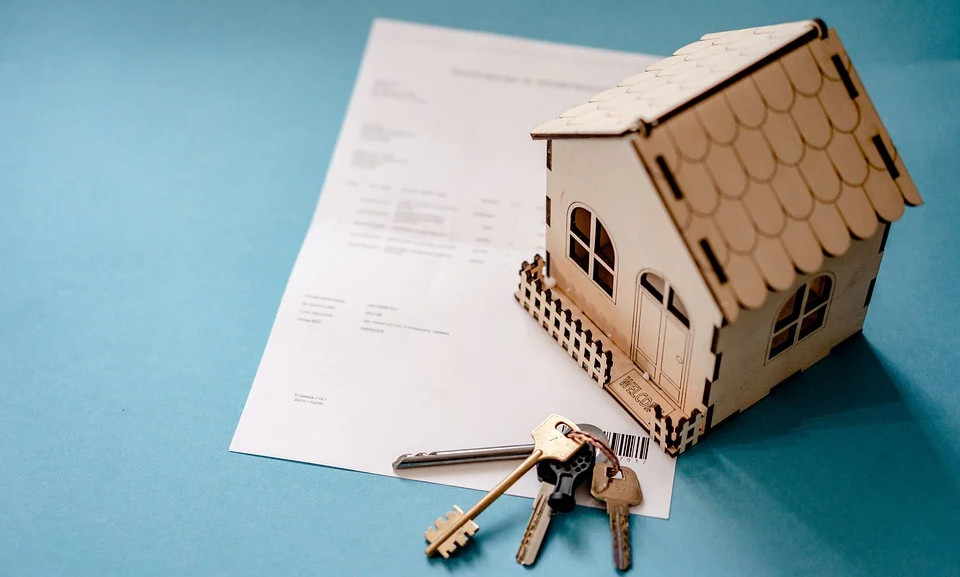
Property managers pay for a lot of things on behalf of owners. There may be a leak that a plumber needs to fix. A renter might need a new key. When people move out, the unit might need to be cleaned.
Even though these costs are part of the job, you don't always have to pay for them.
When your management agreement allows it, you can charge certain property-related costs back to the owner. This can help you recover money, keep your books in order, and avoid eating into your management fees.
The trick is to know what to charge and when and how to put it on the owner’s statement.
What Counts as a Billable Expense?
A billable expense is a cost you pay for a client or a specific property and later charge back to that client. Let's say a rental home needs a $200 plumbing repair. You pay the plumber, record the expense under that property, and include the charge on the owner's statement if your agreement permits it.
In real estate management, this is one way that billable expense income can be used.
Common billable costs may include:
- Repairs and maintenance
- Cleaning after a tenant moves out
- Pest control
- Landscaping
- Locksmith services
- Inspection fees
- Permit costs
- Emergency maintenance
- Supplies bought for a rental unit
- Utilities paid on the owner's behalf
The exact rules depend on your contract and the laws in your area, so don't think that you can pass on all costs.
Separate Property Costs From Business Costs
This is a common issue for property managers. Office rent, wages, advertising, and software are business expenses. A broken water heater or a $40 lock for a rental unit is a property expense.
Keep the two separate. It makes property management profitability easier to track and helps prevent billing the wrong person.
Check the Management Agreement First
Always check the management agreement before billing an owner. It should state spending limits, approval rules, and which fees you can charge.
You may be allowed to approve repairs up to $500, while larger jobs need owner approval. The agreement may also cover:
- Actual vendor costs
- Maintenance fees
- Markups
- Administrative fees
Keep the agreement handy so your team can check it.
Record Expenses Before They Pile Up
If you wait until the end of the month, you may miss some expenses. You may remember the $500 repair, but what about the $18 hardware purchase from three weeks ago? It's easy to overlook small costs.
For each expense, record:
- Property or unit
- Date
- Vendor
- Amount
- Type of expense
- Receipt or invoice
- Client approval, if required
When an owner asks where a charge came from, this leaves a paper trail.
Use the Right Property and Expense Categories
Assign every expense to the correct property and category. This makes it easier to track spending on repairs, cleaning, landscaping, and supplies.
Accounting for property management also helps you keep track of your budget and avoid billing mistakes by showing you which properties cost more to maintain.
Should You Add a Markup?
Some property managers charge the exact vendor cost, while others add a fee for handling the work. Either approach is fine if the agreement allows it and the owner knows about it upfront.
For example, a $300 repair with a 10% markup would cost $330. Show the repair cost and markup separately, rather than using vague labels like “maintenance charge.”
List any service or coordination fees separately. Clear descriptions make rental property expense management easier and give owners better records for their bookkeeping.
How to Avoid Property Billing Errors
Small accounting errors can lead to billing disputes and lost money. Keep your expense process controlled by checking a few key areas:
- Unapproved charges: Check the agreement before billing an owner.
- Missing receipts: Save every invoice and receipt.
- Wrong property: Confirm the correct unit before recording a cost.
- Duplicate charges: Compare bills with your records.
- Vague descriptions: State what you bought or what work was done.
- Mixed expenses: Keep business and property costs separate.
- Unpaid reimbursements: Track outstanding client payments.
You can avoid bigger problems in the future by doing a few quick checks.
Make Expense Recovery Part of Your Process
Make expense recovery part of your regular routine. Record each cost, save the receipt, assign it to the right property, check the agreement, and add it to the next owner statement.
Review your records each month for unusual repairs, repeat vendor charges, unpaid reimbursements, and high-cost properties. When you track every allowable expense, you have more control over your money and are less likely to miss costs that you can recover.