Operational Standards That Separate Ordinary Apartment Communities From Premium Assets
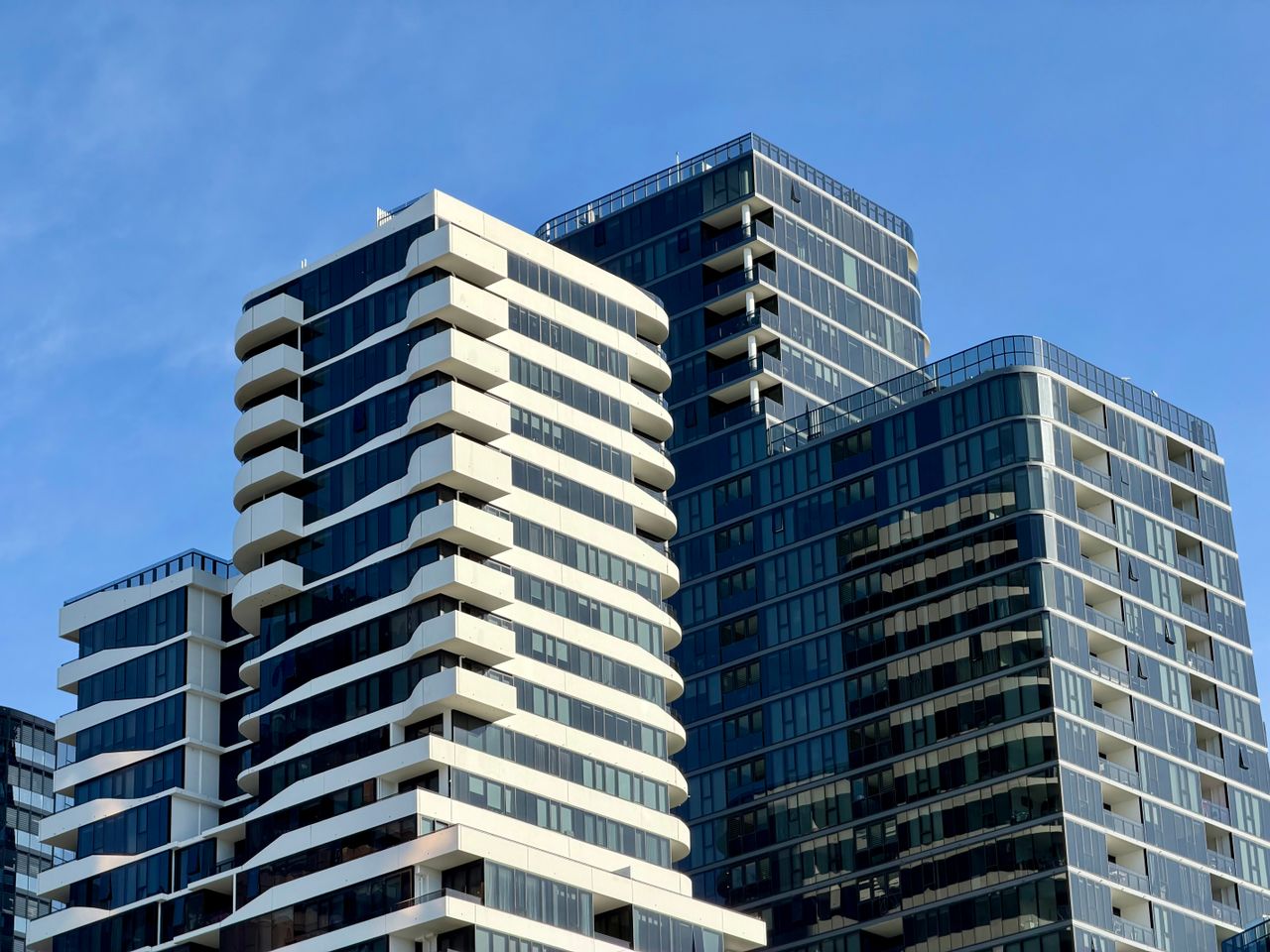
Walk through the lobby of an ordinary rental building, and everything looks acceptable at first glance. Walk into a truly premium property, though, and the difference is immediate. It is rarely about gold fixtures or expensive imported lobby sofas. Real luxury in property management lives in the background. It smells clean, runs quietly, and removes daily friction before a resident even notices an issue. Most communities never quite grasp this balance. They spend massive budgets on splashy marketing photos while letting their daily operational foundation crumble.
The real separator between standard housing and high-performing assets comes down to operational consistency. Consider what happens when an operator takes over an acquired property that boasts top-tier finishes on paper but suffers from an unusually low tenant retention rate. The lobby smells slightly damp. The package room sits as a chaotic pile of cardboard boxes. Hallway carpets carry subtle coffee stains from three weekends prior. None of these are catastrophic flaws on their own. Together, they quietly signal to residents that management stopped caring the moment the lease was signed.
Daily Presentation and the Impact of Commercial Cleanliness
Premium operators build systems that prevent that slow slide into neglect. They treat shared hallways, parcel stations, and entry foyers like active commercial storefronts rather than passive passages. Forward-thinking property directors often restructure entire janitorial workflows after studying service contracts from commercial cleaning Carlton to understand how high-traffic urban offices keep glass, stone, and elevator tracks spotless through relentless foot traffic. Borrowing those rigorous industrial standards transforms residential common areas. Residents instantly notice the elevation in care, and properties adopting this institutional discipline have seen visitor-to-lease conversion rates climb by 16% in a single quarter.
That same discipline extends straight into maintenance operations. Ordinary communities treat maintenance like a reactive fire brigade. A work order comes in, sits in an inbox queue for three days, and gets resolved whenever a technician is finally free. Premium communities view maintenance as their primary resident retention tool. When a resident reports a dripping faucet, they do not just want the leak stopped. They want prompt communication, tidy shoe covers at the door, and tangible confirmation that the property team values their living environment.
Why Speed and Predictability Drive Resident Retention
Speed matters, but predictability matters even more. Controlled operational trials across identical 80-unit apartment communities reveal a stark difference in tenant psychology. In one building, technicians responded to non-emergency requests within 48 hours without progress notifications. In a twin property, technicians acknowledged tickets within 30 minutes and resolved them within 24 hours while sending automated status updates. The result was unmistakable. The second property generated a 21% higher lease renewal rate over twelve months. Same square footage, identical floor plans, entirely different bottom line. Reliable execution is genuinely that powerful.
Preventative maintenance is where the real margin is protected. Average operators wait for an air conditioning compressor to fail during a sweltering summer heatwave before ordering replacement parts. Premium teams track mechanical lifecycles on predictive digital dashboards instead. They replace filters on a strict calendar cadence, flush water heaters annually, and clean dryer vents before lint accumulation triggers safety hazards. When emergency failures are eliminated, staff members stay calm, operating expenses stay predictable, and residents never face an uncomfortable weekend sweating through an avoidable outage.
Communication That Eliminates Daily Friction
Communication style also speaks volumes about community standards. Anyone who has ever stepped into a residential elevator and seen a taped paper notice scolding tenants about trash rules knows the feeling. It looks hostile, cheap, and thoroughly unprofessional. Premium properties manage resident communications with the warmth and polish of a boutique hotel. They send concise, friendly digital announcements through dedicated resident portals. If an elevator requires scheduled repairs, management informs residents well before the shutdown, explains the timeline honestly, and provides regular progress updates until service resumes.
Noise and package deliveries are two other critical friction points where operational standards make or break community reputation. Standard properties treat deliveries as an afterthought, leading to misplaced boxes, theft risks, and frustrated tenants. High-tier communities invest in secure automated parcel lockers or dedicated package rooms with instant mobile pickup alerts. When handling resident disputes or excess noise, seasoned managers never brush complaints aside or allow frustration to simmer. They address disputes immediately with calm, objective standards outlined clearly in the original lease agreement.
Knowing When to Renovate and When to Reset
Of course, physical infrastructure sets a hard ceiling on what daily operations can accomplish. Some older structures eventually reach a point of functional obsolescence where routine repairs no longer solve the fundamental issues. When mechanical systems rot inside deteriorating walls and foundations shift, endless patching becomes a massive financial drain that exhausts both staff and capital reserves. In those specific scenarios, smart property owners step back to evaluate comprehensive redevelopment strategies, turning to modern knock down rebuild packages to replace inefficient layouts with high-density, energy-efficient structures that are engineered from the ground up to support modern operational workflows.
Elevating an apartment community is rarely about a single dramatic gesture. It comes down to dozens of small operational choices executed flawlessly every single day. When site staff members pick up stray litter without hesitation, answer resident inquiries with genuine courtesy, and keep every core system humming silently in the background, tenants notice. They stay longer, treat the property with greater respect, and willingly pay a premium for a home that simply works. It turns everyday rental housing into an environment where people are genuinely proud to live.