What to Do When a Pipe Leaks in Your Apartment
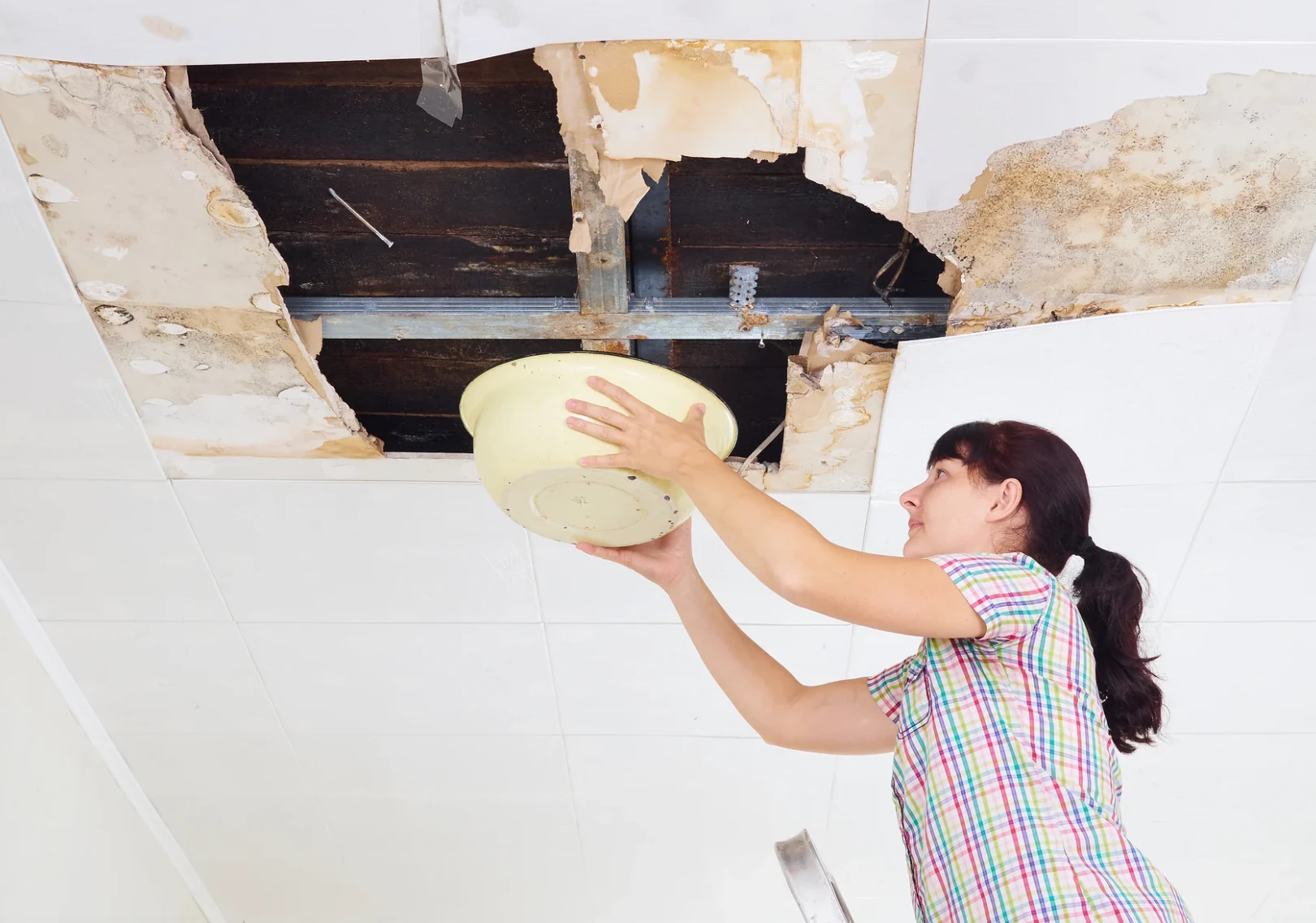
Finding water beneath your kitchen sink or dripping from an apartment ceiling can be alarming. Unlike homeowners, renters usually cannot access every water shutoff valve or arrange repairs without involving a landlord. In buildings with shared plumbing, a leak in one apartment can also affect neighboring units.
Knowing what to do when a pipe leaks in your apartment can help limit water damage and prevent a minor problem from becoming a major repair. The key is to make three decisions: determine how dangerous the leak is, contact the right person, and check whether the damage has been addressed after the water stops.
For Boston renters, these steps are especially useful in older apartment buildings, where plumbing lines may run through shared walls, ceilings, and floors.
What to Do First When an Apartment Pipe Leaks
The first priority is safety, followed by stopping or containing the water. You do not need to identify the exact plumbing failure before taking action.
If water is collecting near electrical equipment, entering a light fixture, or causing a ceiling to sag, stay away from the affected area. Do not touch wet switches, outlets, or appliances.
For a leak that does not present an immediate hazard, follow these steps:
- Locate the visible leak. Check beneath sinks, around toilets, near washing machines, and along exposed pipes. Do not remove panels or open walls to investigate.
- Turn off the water if safe. Most sinks and toilets have individual shutoff valves. Turn the appropriate valve clockwise without forcing it. Avoid unfamiliar building-wide controls that may interrupt water service to other apartments.
- Move belongings away. Protect furniture, electronics, rugs, and personal items. Use a bucket or towels to contain a minor clean-water drip without exposing yourself to hazards.
- Notify building management. Report the leak even if you have stopped the water. Explain where it started, whether water is still escaping, and which areas are affected.
- Take photographs. Document the source of the leak, surrounding surfaces, and damaged belongings before cleaning up, when safe.
- Stop using affected fixtures. A leaking drain may release water only when a sink, dishwasher, or shower operates. Avoid using those fixtures until maintenance checks them.
Do not attempt to repair a pressurized pipe with household tape, sealant, or improvised fittings. These measures may appear to stop the leak while leaving the underlying failure unresolved.
How to Tell Whether an Apartment Leak Is an Emergency
Not all plumbing leaks require the same response. A slow drip beneath a sink can usually be contained while waiting for maintenance, but water flowing through a ceiling or spreading across a floor requires urgent attention.
The pattern of the leak can also help identify whether the problem involves a water supply line, a drain, or plumbing in another apartment.
| Leak symptom | What it may indicate | Urgency and next action |
|---|---|---|
| Water drips beneath a sink only when the faucet runs | Drainpipe or connection leak | Stop using the sink and report the problem promptly |
| Water continues leaking when the faucet is off | Pressurized supply line or fitting | Close the fixture's shutoff valve if safe and request prompt maintenance |
| Water drips through the ceiling | Plumbing or water intrusion from above | Request emergency maintenance and stay clear of electrical hazards |
| Water flows from an exposed broken pipe | Burst supply pipe | Shut off an accessible valve if safe and seek immediate assistance |
| Water appears around the toilet base | Seal failure, overflow, or supply connection | Stop using the toilet and report it; treat sewage or uncontrolled water as urgent |
| A wall or floor stays damp without a visible leak | Concealed plumbing leak or another moisture source | Report the condition and request an inspection |
These symptoms provide clues rather than a definite diagnosis. Water can travel along pipes, framing, and building materials before appearing inside an apartment. A ceiling stain may be several feet from the actual source.
For this reason, renters should describe what they observe rather than assume which pipe has failed.
Who Should You Call for an Apartment Plumbing Leak?
In most rental properties, the landlord or property management company handles repairs to building plumbing. Your lease or building information should identify the regular maintenance contact and an emergency number.
Contact management immediately when a leak is spreading, threatening electrical equipment, affecting neighboring units, or making part of the apartment unsafe. If an immediate danger threatens occupants, contact emergency services.
Property managers often work with local plumbers who already know the building's plumbing system. Having an established contractor can reduce the time spent finding help during an emergency, particularly when water needs to be shut off across multiple units.
Plumbing businesses also depend on being discoverable when property managers and homeowners search online for repair services. Rathly helps contractors reach these potential customers through its plumber SEO services, focusing on Google Search visibility, local rankings, and relevant customer inquiries.
For renters, however, contacting the building's designated maintenance provider is generally preferable to hiring a plumber independently. Unauthorized work can create disputes over payment, access, and responsibility for additional damage.
If the landlord cannot be reached, continue using the property's documented emergency contact procedures and keep records of your attempts.
Why a Small Leak Can Damage More Than One Apartment
One overlooked risk of apartment plumbing leaks is that the visible water may not show the full extent of the damage.
In multistory buildings, water can move through openings around pipes, follow structural framing, and collect beneath flooring. A small leak under an upstairs sink may eventually appear as a ceiling stain in the apartment below.
Concealed moisture is particularly concerning because a repaired pipe does not automatically mean the surrounding materials are dry. Water can remain trapped behind cabinets, beneath flooring, or inside wall cavities.
Another important distinction is the type of water involved. A clean-water supply leak presents different cleanup concerns from a toilet overflow or sewage backup. Renters should avoid contact with potentially contaminated water and leave significant cleanup to qualified professionals.
If water has reached another apartment or a common hallway, tell management immediately. The maintenance team may need access to several units to identify the source and inspect the damage.
Who Pays for Plumbing Repairs in a Boston Rental?
Massachusetts law generally places responsibility for maintaining required plumbing systems on the property owner.
Under Section 410.235 of the Massachusetts State Sanitary Code, owners must maintain required and owner-installed plumbing equipment in working condition and free from leaks, obstructions, and other defects. This includes water pipes, sinks, toilets, drains, and related connections.
However, responsibility for a specific repair may depend on what caused the damage. Ordinary deterioration of building plumbing differs from damage caused by improper use or a poorly installed tenant-owned appliance.
Renters are expected to use plumbing equipment with reasonable care and report problems promptly. A lease may describe maintenance procedures, but it cannot eliminate duties imposed by applicable housing regulations.
If you are asked to pay for a repair, request an explanation of the cause and review your lease before accepting responsibility. Damage to personal belongings may involve separate questions about renters insurance and liability.
What to Check After the Pipe Is Repaired
A plumber may replace a damaged fitting or pipe in a single visit, but the work is not necessarily finished when the dripping stops.
The surrounding surfaces may need drying, cleaning, or replacement. Damp drywall, swollen cabinets, and wet flooring can remain problematic after the plumbing is functional.
The U.S. Environmental Protection Agency's guidance on mold cleanup recommends drying water-damaged areas and items within 24 to 48 hours to help prevent mold growth. The Massachusetts State Sanitary Code also includes requirements for drying surfaces after leaks and flooding.
Renters should pay attention to three things after repairs: whether the leak has stopped, whether affected materials are drying, and whether new stains or moisture continue to appear.
A useful follow-up record includes the date the leak was reported, photographs of the damage, maintenance communications, repair dates, and any remaining problems. If the same area becomes wet again, refer to the previous report when contacting management.
Persistent dampness, musty odors, peeling paint, or swelling baseboards can indicate that additional investigation is needed. Do not open walls or remove building materials yourself to check for hidden damage.
If a significant leak remains unresolved despite repeated requests, Boston tenants can seek assistance from the city's Inspectional Services Department regarding possible housing code violations.
How to Prevent Future Plumbing Leaks in an Apartment
Renters cannot inspect every pipe inside a building, but they can identify early signs of trouble.
Look beneath sinks occasionally for moisture, mineral deposits, or water stains. Check around toilets and washing machines for unexplained dampness. Report recurring drips, unusual plumbing noises, or wet spots that return after cleaning.
In Boston, cold weather creates an additional concern. Pipes running through poorly insulated spaces can freeze and rupture. Keep the apartment heated according to building instructions during freezing weather and report heating or plumbing problems promptly. Never use an open flame to thaw a pipe.
It also helps to locate accessible fixture shutoff valves before an emergency. Knowing which valve controls your sink or toilet can make a meaningful difference when water starts escaping.
The most effective prevention habit is simple: report small plumbing problems before they become large ones.
Act Early and Follow Through
When a pipe leaks in your apartment, focus on safety, limiting water flow, and contacting building management. Avoid unnecessary repairs, document what happened, and give maintenance workers clear information about the symptoms.
The important final step is checking the condition of the apartment after the plumbing repair. Stopping water flow addresses the immediate problem, but damp walls, floors, and cabinets may still require attention.
For Boston renters, understanding these steps can help protect personal belongings, reduce damage to neighboring apartments, and make communication with property management more effective. A leak is not fully resolved simply because the water has stopped dripping.