Water Leak Detection: How to Identify and Prevent Water Damage
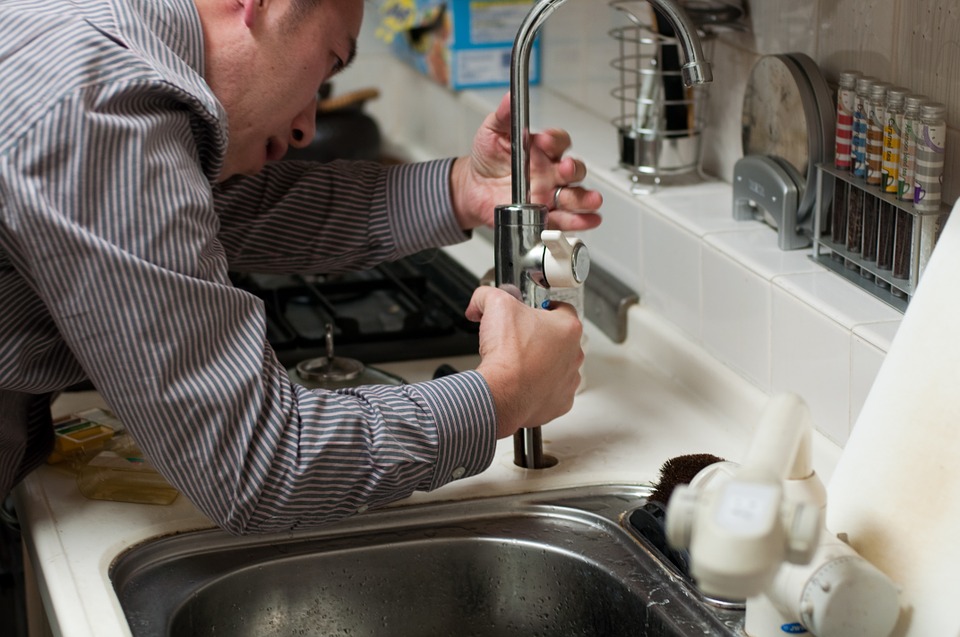
Water leaks can cause significant damage to a home or apartment if they go unnoticed. From dripping faucets and leaking pipes to hidden moisture behind walls, even a small leak can lead to expensive repairs, mold growth, and structural damage. Knowing how to recognize the warning signs of a leak, when to call a licensed plumber, and how to prevent future problems can help protect your property and avoid unnecessary expenses.
Whether you own a house, rent an apartment, or manage a rental property, understanding the basics of plumbing leaks and drips is an important part of routine home maintenance.
Common Signs of a Water Leak
Not all water leaks are immediately visible. Some develop inside walls, beneath flooring, or around plumbing connections, making them difficult to detect until damage has already occurred. Recognizing the early warning signs can help you address problems before they become more serious.
- Unexplained increases in water bills: A sudden rise in water usage may indicate a leaking pipe, running toilet, or another plumbing problem.
- Water stains or discoloration: Brown spots on ceilings, walls, or floors may indicate moisture from a leaking pipe or roof.
- Musty odors: Persistent damp or musty smells can indicate hidden moisture and possible mold growth.
- Peeling paint or bubbling walls: Moisture trapped behind painted surfaces can cause paint to blister and finishes to deteriorate.
- Dripping sounds: The sound of running or dripping water when plumbing fixtures are not in use may signal a hidden leak.
- Warm or damp flooring: Unusual dampness or warm spots on floors can sometimes indicate a leaking hot-water pipe beneath the surface.
How Professional Water Leak Detection Works
When a leak cannot be located through a visual inspection, a licensed plumber may use specialized diagnostic tools to identify the source. The appropriate method depends on the plumbing system, the location of the suspected leak, and the type of building.
Common leak detection methods include:
- Moisture meters: These devices help identify elevated moisture levels in building materials.
- Thermal imaging: Infrared cameras can reveal temperature differences that may help locate hidden moisture or leaking hot-water pipes. Additional testing may be needed to confirm the source.
- Acoustic leak detection: Specialized listening equipment can help locate leaks by detecting sounds produced by escaping water.
- Pressure testing: A plumber may test sections of a plumbing system to determine whether pressure loss indicates a leak.
- Visual inspection: Checking fixtures, supply lines, valves, exposed pipes, and appliance connections can reveal common sources of water loss.
Professional equipment can help narrow down the location of a leak and reduce unnecessary damage during repairs. However, no single method is suitable for every situation, and the results may require confirmation through additional inspection.
When Should You Call a Plumber?
Minor problems, such as a dripping faucet, may be relatively straightforward to address. Other situations require professional attention, particularly when a leak is hidden or affects the building's plumbing system.
Consider contacting a licensed plumber if you notice persistent dampness, unexplained water usage, recurring ceiling stains, low water pressure, or signs of a leak behind a wall or beneath a floor.
If a pipe bursts or water is actively damaging your property, shut off the water supply if you can do so safely. If water is near electrical outlets, appliances, or electrical panels, avoid the affected area and seek appropriate emergency assistance. Contact building management promptly if you live in a rental property or condominium.
How to Prevent Water Leaks and Water Damage
Routine maintenance can help reduce the risk of plumbing failures and identify small problems before they become expensive repairs.
- Inspect visible pipes and plumbing connections periodically for corrosion, moisture, or dripping.
- Check under sinks and around toilets for signs of water damage.
- Inspect washing machine hoses, dishwasher connections, and refrigerator water lines when applicable.
- Repair leaking faucets and running toilets promptly.
- Know where your main water shutoff valve is located.
- Consider installing water leak sensors near water heaters, washing machines, dishwashers, and other potential leak sources.
- Arrange professional inspections if your plumbing is aging or you notice recurring problems.
Homeowners and landlords should also address persistent moisture promptly. If water damage has occurred, drying the affected materials and correcting the source of moisture are essential steps in reducing the risk of mold growth.
Water Leaks in Apartments and Rental Properties
Water leaks in apartment buildings can affect more than one unit. A leaking pipe, overflowing fixture, or damaged appliance may cause water to spread into neighboring apartments or common areas.
Tenants should report leaks to their landlord or property manager as soon as possible and document visible damage with photographs. Property owners and managers should investigate reports promptly, arrange necessary repairs, and check adjacent areas when water may have traveled beyond the original source.
In multifamily buildings, preventive maintenance and a clear procedure for reporting plumbing problems can help minimize damage and disruption to residents.
Conclusion
Early water leak detection can help homeowners, tenants, and property managers avoid costly repairs and protect the condition of a building. By recognizing common warning signs, maintaining plumbing fixtures, and seeking professional assistance when necessary, you can reduce the risk of extensive water damage. Addressing leaks promptly is one of the simplest ways to protect your property and maintain a safe, comfortable living environment.