A Plumbing Emergency at Home? What to Do Before Help Arrives
Waking up to a flooded bathroom or a burst pipe is every homeowner's worst nightmare. Plumbing emergencies come out of nowhere and quickly get out of hand. By taking immediate measures to stop water damage to your home, you can save thousands of dollars that otherwise would be paid for by the professionals. The first few minutes are hectic, and it is so important to know what to do. Here are the essential steps you must take to protect your Las Vegas home during a sudden plumbing crisis.
Find and Turn Off the Main Water Supply
The first thing you have to do is to stop the active flow of water. Know the location of your main water shut-off valve right away. This valve is typically located near your water meter either outside or in your garage. Rotate the valve knob all the way clockwise to shut off the water to the whole house. If you cannot find the valve or it is stuck, local emergency plumbers can handle it when they arrive. But this technique, if done immediately, is the best method to prevent a huge indoor flood.
Shut Off Your Water Heater
Once you have secured the main water line, you need to shut down your water heater to safeguard it. If the main supply is turned off, a dangerous pressure can be created within the heater. The internal heating elements can also easily burn out if the tank is emptied. If you have a gas water heater, turn the dial to the pilot position. For an electric water heater, go to your breaker box and flip the switch to the off position. This is a basic measure which avoids serious damage to the unit.
Open Outside Spigots to Drain Pipes
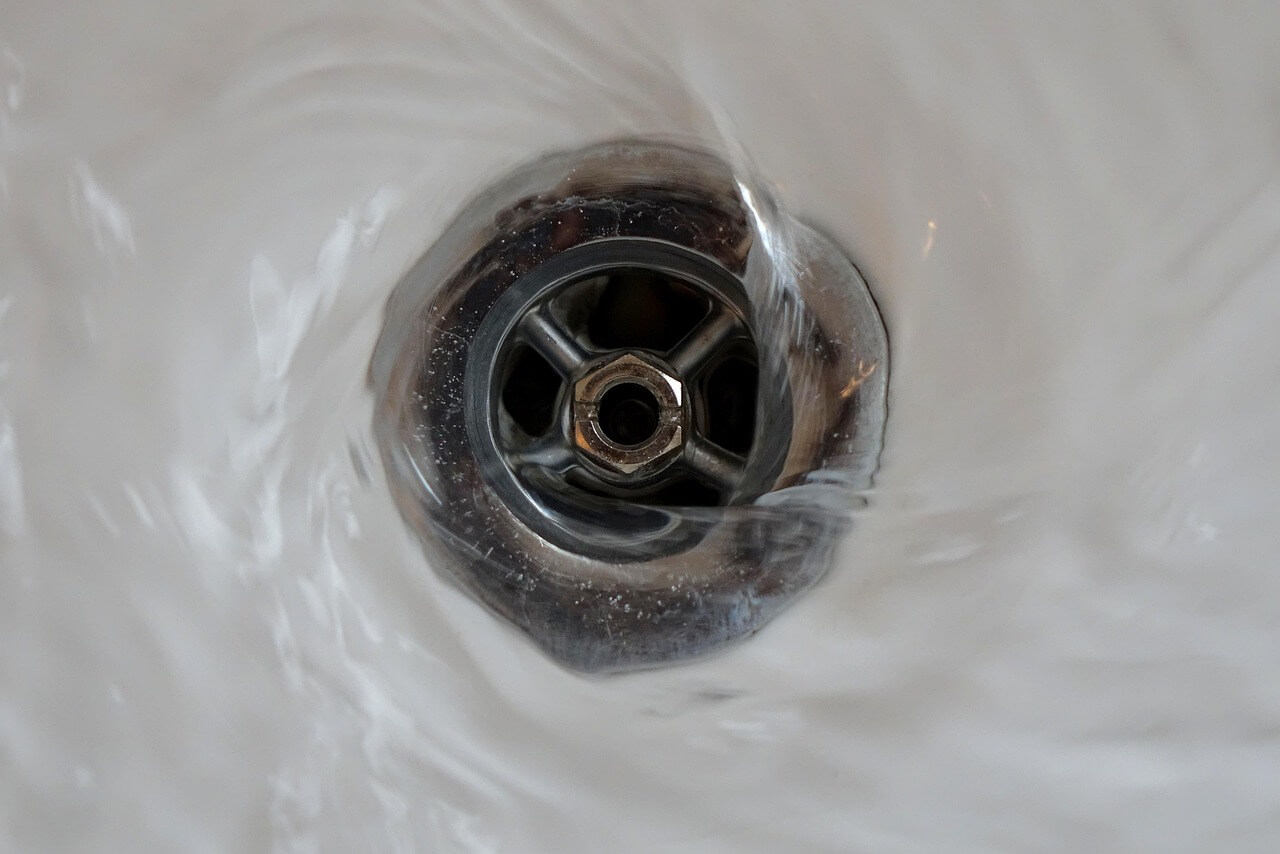
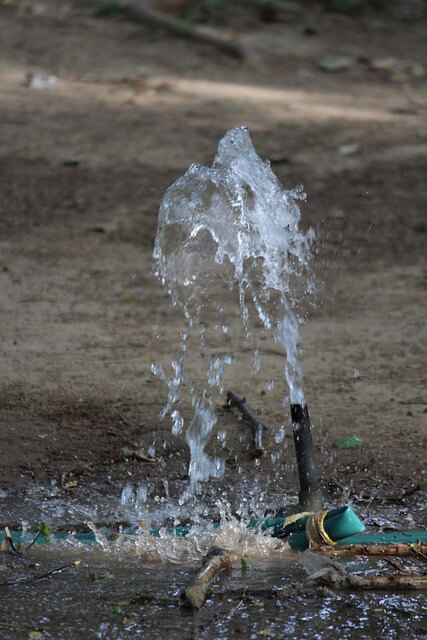
Heavy water will stay in the pipes inside your home even after you have turned off the water main. This trapped water will keep seeping out of the damaged pipe, causing additional damage. Turn on garden hoses and outside water spigots outside. It is also advisable to open the lowest sink in your home. This will remove water from the indoor leak and safely discharge the remaining water pressure outside into your yard.
Stop Minor Leaks Temporarily
If the leak is under the kitchen sink or if you see a crack in the pipe, then you can slow it down. Wrap thick plumber's tape or tightly bind a thick rag around the crack. Set a large bucket right below the toilet to collect the water that drips from it. This is just a short-term solution to stop floors getting damp until a better solution is found. Even if you find a professional to fix or replace the damaged portion of the pipe, you will still need a professional to do so permanently.
Clean Up Standing Water Fast
Expensive floors and drywall is ruined by water in a very short amount of time. Immediately begin cleanup of any standing water after the leak has been turned off. Have heavy towels, mops, and buckets handy to mop up the mess as soon as you can. Use a wet vacuum to remove dirty water from carpets, if you have one. The only way to avoid having dangerous mold grow inside your walls and severe structural damage is to quickly dry the area.
Clear the Area for the Professionals
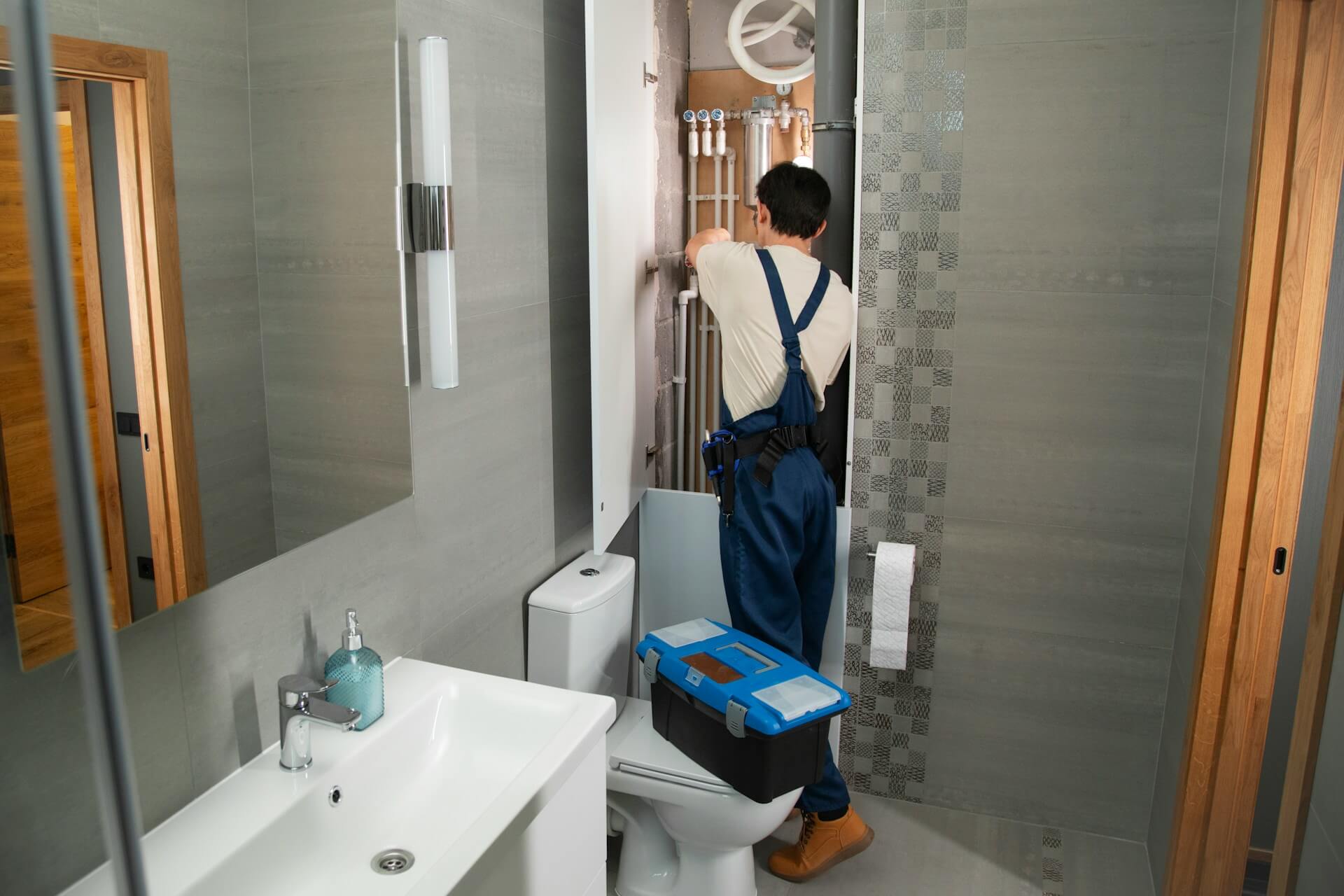
The plumbing repair crew must have access to the area where the problem is whenever they get there. Remove furniture, rugs, and storage boxes from the leak. Make sure you have all supplies removed from under your sinks and that the techs can immediately begin work. While the plumbing crew enters the area with heavy tools and equipment to repair the broken pipes, removing personal items will keep them from getting dirty or wet.
Conclusion
A plumbing disaster is stressful, but staying calm helps you take control of the situation. The most important thing to do immediately is to turn off the water to the home and drain the pipes. By acting quickly, you can prevent the property from experiencing extensive water damage until the professionals arrive. Get ready for a crisis by knowing where to shut off your valves.