Snow Removal Checklist for Boston Homeowners and Landlords
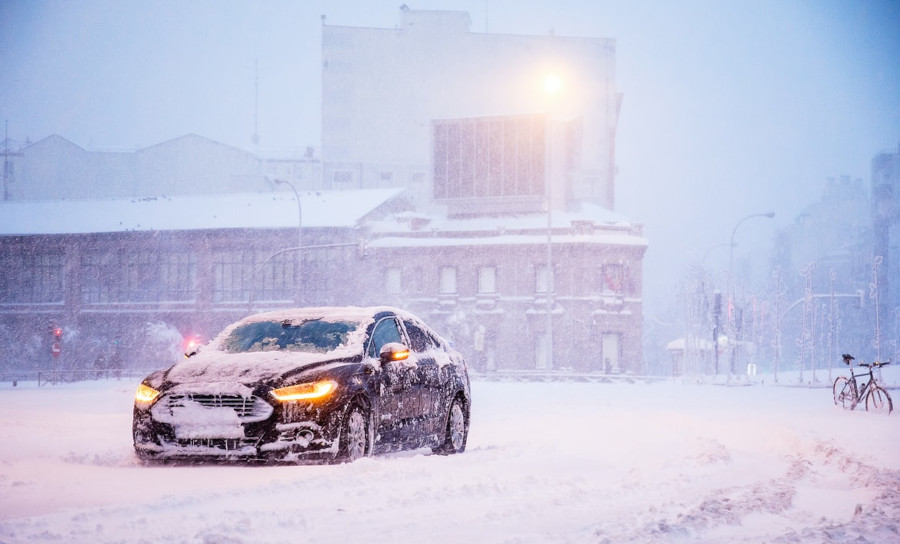
New England winters don’t ease anyone in. One nor’easter can bury driveways, block building entrances and leave sidewalks icy for days. Whether you own a single-family home, manage a triple-decker or rent out a few units, planning for snow before the first storm makes the season safer and far less stressful. Here’s a practical checklist.
Know Your Responsibilities
Snow and ice rules vary by city, so check your local ordinance. Many Massachusetts municipalities, including Boston, require property owners to clear sidewalks within a set number of hours after snowfall ends, and they can issue fines if walkways are left unsafe. Lease agreements also matter: they should spell out whether the landlord or tenants are responsible for clearing steps, walks, parking spaces and driveways.
For landlords, clarity prevents disputes. Put snow responsibilities in writing, share them with tenants before winter, and decide in advance who to call if a storm hits while you’re away.
Prepare Before the First Storm
A little preparation in the fall goes a long way:
- Stock up early: shovels, ice melt, sand or grit, and a roof rake if your home has a low roof. Supplies sell out quickly once a storm is forecast.
- Mark the edges: place reflective stakes along driveways, walkways and garden beds so you (or a plow driver) don’t damage lawns, curbs or landscaping.
- Service equipment: change the oil and test-start a snow blower before you need it.
- Clear gutters: clogged gutters encourage ice dams on the roof.
- Plan where the snow goes: choose piling spots that won’t block sightlines, drains, fire hydrants or a neighbour’s parking.
Clearing Paved Driveways and Walkways
On asphalt and concrete, the basic approach is simple: start early and clear often. Shovelling a few inches at a time is easier on your back and keeps snow from compacting into ice. Push snow rather than lift it where you can, and lift with your legs when you must.
Use ice melt sparingly and choose a product suited to your surface. Some de-icers can damage newer concrete, brick pavers or nearby plants. Sand or grit adds traction without melting and is a good option on steps.
Gravel Driveways Need a Different Approach
Gravel is popular on longer driveways and older properties, but it’s tricky in winter. A plow or blower set too low scoops up stones and throws them onto the lawn, while a blade set too high leaves a layer that freezes into ruts. Many owners leave a thin base of packed snow and raise skid shoes on their equipment for exactly this reason. This guide to clearing snow from a gravel driveway covers equipment settings, timing and how to avoid tearing up the surface.
Safety Tips for Storm Days
- Take breaks: shovelling heavy, wet snow is strenuous. Pace yourself and stay hydrated.
- Never clear a snow blower jam by hand: shut it off and use a clearing tool.
- Clear vents: make sure furnace, dryer and water heater vents aren’t blocked by drifts.
- Watch the roof: heavy accumulation on flat or low-slope roofs can be a hazard; use a roof rake from the ground rather than climbing up.
- Check on tenants or neighbours: especially older residents who may need help getting out.
When to Hire Professional Snow Removal
Doing it yourself works for many homeowners, but there are good reasons to hand the job off:
- You own rental property and need walks cleared reliably, even when you’re travelling.
- Your driveway is long, steep or shared.
- You travel for work or have physical limitations.
- You’re responsible for a small commercial building or multi-unit parking lot.
Professional snow removal services usually offer seasonal contracts or per-push pricing, with crews dispatched once snowfall reaches a set depth. When you compare providers, ask about trigger depths, response times, whether de-icing is included, how they handle damage to lawns or curbs, and whether they carry liability insurance.
After the Storm
Once the snow stops, take a quick walk around the property. Clear any remaining ice on steps and entrances, open up storm drains near your driveway so meltwater can escape, and knock snow off shrubs before it freezes and breaks branches. In spring, check lawn edges and garden beds for plow damage and rake out any gravel or sand that ended up on the grass.
Final Word
Snow is part of life in Greater Boston, but a plan makes all the difference. Know your obligations, prepare early, clear safely and decide ahead of time when to call in help, and winter becomes something you manage rather than something that manages you.