Boston Short-Term Hosts Face Two 14-Day Rules
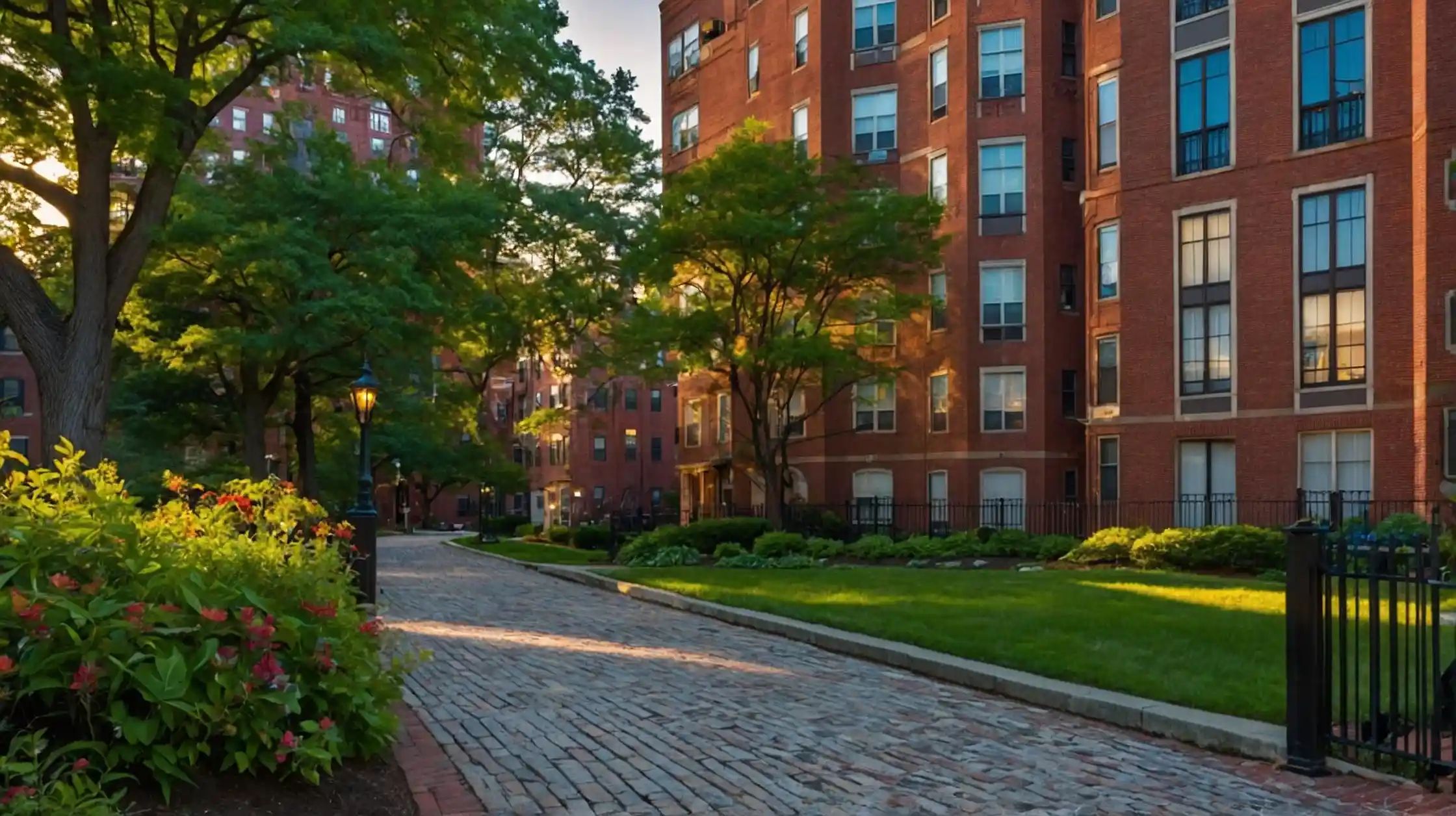
Plenty of Boston owners look at the spare unit in their two- or three-family house and think about short-term guests. The city allows it only in owner-occupied buildings, and the state taxes it. The IRS then adds tests of its own. Two of those rules use the same number, 14 days, and they mean different things.
That overlap is one reason some hosts talk to STR tax strategists before the first booking rather than at filing time. Surge Tax, a firm based in St. Petersburg, Florida, lists material participation planning, quarterly tax planning and passive loss strategy analysis among its short-term rental services. What follows is general information, not tax or legal advice.
What Does Boston Allow Before Taxes Come Into It?
Boston's Inspectional Services treats any stay of fewer than 28 consecutive days, for a fee, as a short-term rental. These units must register with the city. They are allowed only in owner-occupied condominiums and single-, two- and three-family buildings. In a two- or three-family building, the owner-occupant must own all the units.
The city recognizes three unit types, and each has its own fee:
- Limited share: a private bedroom in the owner's home, with the owner present. The fee is $25 a year.
- Home share: the owner's whole primary residence while the owner is away. The fee is $200 a year.
- Owner-adjacent: the full second unit in an owner-occupied two- or three-family building. It carries the same fee as a home share.
Eligible units may be offered up to 365 days a year, according to the city's page. Hosts must also name a local contact who can respond in person within two hours. Buyers weighing an owner-occupied multifamily purchase should read these rules before counting on guest income.
What Does Massachusetts Charge On Each Booking?
The Department of Revenue's room occupancy guidance, updated on November 2, 2026, covers short-term rentals of 31 days or less. For a Boston property, the charges stack up like this:
- State excise of 5.7%. The statute sets 5%, and an uncodified surtax adds 0.7%.
- Local excise of up to 6.5% in Boston. Other cities and towns can charge up to 6%.
- Convention center fee of 2.75%. It applies in Boston, Worcester, Cambridge, Springfield, West Springfield and Chicopee.
- Community impact fee of up to 3%. Where a city votes it in, it can reach operators with more than one unit there. A separate category covers renting part of an owner-occupied two- or three-family house.
DOR points operators to its Municipal Databank for current local rates and fees. Every operator must register through MassTaxConnect and receive a certificate for each property. The certificate is posted in the unit, and its number goes to any booking platform.
Why Do the Two 14-Day Rules Get Mixed Up?
The state rule is about collecting tax. DOR says that if a property is rented for 14 days or less in a calendar year, the operator does not have to collect the excise. Registration is still required, and the exemption must be claimed by January 15 of that year. An operator who goes past 14 days owes the tax that should have been collected for the first 14.
The federal rule is about reporting income, and it applies to a dwelling unit you also use as a residence. If you rent that unit for fewer than 15 days, the IRS minimal rental use rule means you do not report the rental income. You also do not deduct any expenses as rental expenses.
"Residence" has its own test. A unit counts as one if your personal-use days exceed the greater of 14 days or 10% of the days it is rented at a fair price. Days used by family members, or rented below a fair price, can count as personal use.
A second unit the owner never uses personally would generally not meet that residence test. In that case, the federal shortcut would not apply to it, even if the state exception does. That gap is how hosts end up handling one rule and missing the other.
What Changes When Guests Stay a Week or Less?
Short stays can change how the IRS classifies the activity. Publication 925 says an activity is not a rental activity if the average period of customer use is 7 days or less. The same applies at 30 days or less when significant personal services are provided.
| Situation | What the IRS publications say | Source |
|---|---|---|
| Average guest stay of 7 days or less | Generally not a "rental activity" under the passive rules | Pub. 925 |
| Average stay of 30 days or less, with significant personal services | Also not a rental activity | Pub. 925 |
| Regular cleaning, changing linen or maid service | Generally reported on Schedule C; self-employment tax may apply | Pub. 527 |
| Ordinary rental where the owner actively participates | A special allowance of up to $25,000 of loss may apply, with a phase-out at higher incomes | Pub. 925 |
Once a rental falls outside the "rental activity" label, material participation becomes the main question. Publication 527 describes it as involvement in operations on a regular, continuous and substantial basis. Results depend on each owner's facts, which is why the average-stay figure is worth tracking from the first booking.
Before You Hand Over the First Set of Keys
- Confirm your building qualifies as owner-occupied under Boston's rules, and pick the right unit type.
- Register with the city, and with DOR through MassTaxConnect, even for a handful of nights.
- Claim the state 14-day exception by January 15 if you expect to stay under it.
- Log personal-use days and rental days separately for the federal residence test.
- Work out the average guest stay, since 7 days or less changes the federal analysis.
- Keep records of cleaning and linen service, because they bear on Schedule C versus Schedule E.
Steady rental admin habits make every item above easier to prove later.
Frequently Asked Questions
Do I Need to Register If I Only Host a Few Nights?
Yes, on the state side. DOR requires registration through MassTaxConnect no matter how many days the property is available. Boston also requires short-term rental units to register with the city.
Can I Rent Out a Boston Unit I Do Not Live In?
Only in limited cases. The owner-adjacent category covers one full unit in a two- or three-family building. The owner must live in another unit there and own all of them.
Does the State Excise Apply to a 40-Night Stay?
Generally no. DOR's room occupancy excise covers short-term rentals of 31 days or less. Boston's own definition also stops at stays of fewer than 28 consecutive days.
Is Short-Term Rental Income Taxed Like Hotel Income?
Not automatically. The answer turns on the average stay, the services you provide and how involved you are. IRS Publications 925 and 527 set out those tests, and outcomes vary by situation.
Three Layers, One Booking Calendar
City registration, the state excise and federal income rules all run on the same calendar of bookings. One accurate log of rental days, personal days and guest stay lengths serves all three. Setting it up before the first guest arrives is far easier than rebuilding it in April.