Rental Property Maintenance: A Landlord's Guide to Protecting a Boston Investment
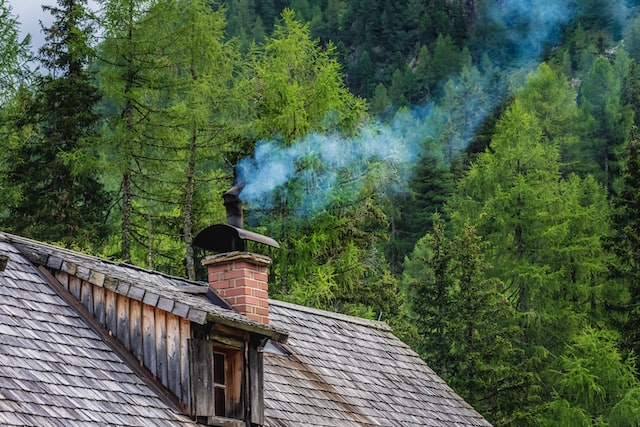
Water always wins. Not tenants, not tight budgets, not the handwritten spreadsheet you keep in the glove box. Water finds the path of least resistance in every building in Boston, and once it is inside your walls, it does not leave quietly. It rots decking, stains ceilings, and turns a two hundred dollar fix into a five figure mess you get to explain to your insurance agent.
Here is the deal I would make with every new landlord: spend one afternoon a season walking the exterior of your building, and you will avoid most of the emergencies that eat your cash flow. That is the whole promise of this guide. We will cover what to check, how often to check it, and how to tell the difference between a house that needs routine upkeep and one that needs roofing in Ashtabula style professional work, meaning a full crew and a real warranty rather than a tube of caulk and a prayer.
If you own a triple decker in Dorchester, a two family in Roslindale, or a condo you rent out in Brighton, the same logic applies. Boston weather is not gentle. It bakes in July, freezes hard in January, and dumps rain sideways when a nor'easter rolls up the coast.
Why Boston Rentals Take a Beating
Older housing stock is the first reason. A lot of Boston's rental buildings went up before anyone was thinking about vapor barriers, and many have had three or four roofs over their lifetime, each one nailed on over whatever came before. Layers stack up, weight adds up, and the whole assembly gets less willing to shed water. You will not see that from the sidewalk. You see it when a tenant texts you at 11 p.m. about a brown stain spreading across the ceiling.
The second reason is freeze and thaw. Water gets into a small gap, freezes overnight, expands, and widens that gap. Repeat that cycle forty times in a winter and a pinhole becomes a problem you can put a fist through. According to the National Weather Service, freeze and thaw cycles are a standard feature of New England winters, which means your building is being worked on by physics whether you are paying attention or not.
The Simple Seasonal Walkthrough
You do not need a ladder and you should not get on one. Look from the ground, look from a second floor window, and look from the top of a fire escape if your building has one. Ten minutes per side.
- Gutters: packed with leaves, sagging away from the fascia, or draining straight down the siding instead of away from the foundation.
- Flashing: the metal around chimneys, dormers, and where a porch roof meets the wall. Look for lifted edges and missing sealant.
- Shingle edges: curling, cracking, or bald patches where granules have washed off.
- Soffits and fascia: soft spots, peeling paint, or any sign that water is sitting where it should not.
- Attic after a storm: a flashlight and a two minute look will show you stains, damp insulation, or daylight coming through the roof deck.
Write down what you find with the date. That log is going to matter later, and not just for your own memory. Keeping records of maintenance work matters for owners who take federal housing vouchers, because the U.S. Department of Housing and Urban Development expects units to meet housing quality standards, and a documented upkeep history is how you prove you have been doing your part.
Small Fixes Versus a Real Roof Job
Every landlord eventually faces this decision, and most get it wrong in the same direction. They patch for one more season, then another, then they pay for a patch and a roof inside eighteen months.
Here is my rule, and I will own the bias: if the same spot leaks twice in two years, stop patching. Two repairs in the same place means the problem is under the shingles, not on top of them, and no amount of sealant is going to fix what you cannot see. A roof that is twenty years old with active leaks in two areas is a replacement, not a repair project. A roof that is eight years old with one flashing leak is a repair, and a good crew will tell you so instead of upselling you.
What separates a repair from a replacement in practice:
| Signal | Likely repair | Likely replacement |
|---|---|---|
| Age of roof | Under 15 years | Over 20 years |
| Leak locations | One isolated spot | Multiple spots or recurring |
| Shingle condition | Granules intact, edges flat | Curling, cracking, bare patches |
| Decking | Dry and firm from the attic | Soft, stained, or damp insulation |
| Ice dams | Occasional after a bad storm | Every winter in the same spots |
What This Costs You If You Wait
Waiting is not free, it is just deferred. A small leak that saturates insulation forces you to replace the insulation, the drywall, and the paint, and you may be rehousing a tenant for a few nights while it dries out. Do that during a Boston winter and you are also paying emergency rates.
Set a reserve. One percent of your building's value per year is the number I would use, and I would keep it in a separate account you do not touch for anything else. On a six hundred thousand dollar building, that is six thousand dollars a year set aside for the roof, the boiler, the water heater, and the surprises. Some years you will not spend it. The year you need it, you will be very glad you did.
Keeping Tenants From Making it Worse
Your tenant is your first early warning system, and most of them want to help. They just do not know what to report. Tell them explicitly: any water stain on a ceiling, any dripping sound in a wall, any ice buildup on the outside of a window. Ask them to text a photo the same day they notice it. A photo timestamped on a Tuesday is worth more than a phone call on a Friday describing something they saw last month.
Then follow up. Show up when you say you will, even if the fix is small. Tenants who trust you report problems early, and early reports are cheap reports.
Winter Prep You Can Do in One Weekend
Clean the gutters after the last leaves fall, not after the first snow. Check that downspouts discharge at least a few feet from the foundation, because water pooling at the base is how you get a wet basement in March. Look at attic insulation and ventilation, since a warm attic is what builds the ice dams that push water under your shingles in the first place. If your attic is warm enough to melt snow on the roof while the eaves stay frozen, you have a ventilation problem, and that problem is roof damage on a delay.
None of this is glamorous work. It is also the difference between a building that quietly earns for twenty years and one that eats every dollar you put into it.
So here is the ask. Pick one afternoon this month, walk your building the way a contractor would, and write down what you see. If you find something in that attic or on that flashing, call a professional before the next storm decides the timeline for you. What will you find when you look?