Why Storm Damage Is Often Worse Than Homeowners First Think
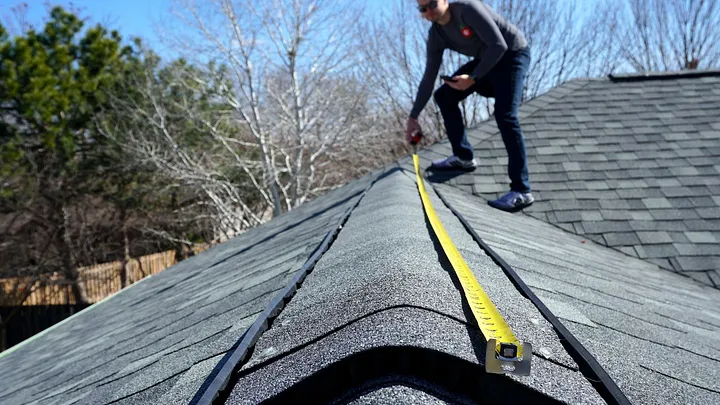
After a storm, most people do the same quick scan. Tree still standing? Windows still there? No water pouring through the ceiling? Good enough. Then life moves on. The problem is that a house can look fine from the driveway while the roof, siding, gutters, or trim took a hit you cannot see from the ground. That is usually when calling a Cape Cod roofing company starts to make sense - not because the house is falling apart, but because storm damage loves to hide before it gets expensive.
Not All Storm Damage Is Immediately Visible
Storm damage is sneaky because the obvious stuff gets all the attention.
A fallen branch is easy to notice. A missing shutter gets spotted fast. A smashed gutter makes itself known.
A lifted shingle? Not always.
A tiny siding crack? Easy to miss.
Moisture behind exterior materials? Invisible until it starts causing trouble.
Hidden storm damage to roofs often begins with small shifts. Wind can lift shingles just enough to weaken the seal. Rain can push under an edge. Debris can bruise or crack roofing without leaving a dramatic hole.
Siding has the same problem. A small crack or loosened panel might not look urgent, but it can let water behind the surface during the next storm.
That is where the trouble starts. The house looks fine. The damage keeps working.
Wind Creates More Problems Than People Expect
Wind does more than blow branches around the yard.
It pulls at roofing materials, rattles siding, bends flashing, loosens gutters, and drives debris into exterior surfaces. One strong storm can create damage. Repeated storms can slowly weaken the same areas until a small issue becomes a real repair.
FEMA notes that severe winds can damage roofs and exterior components, especially when materials are already loose or vulnerable.
That matters because a home does not reset after every storm. Damage can stack up.
A shingle loosens in March. A summer storm pushes water under it. Fall wind lifts it again. By winter, the roof has a weak spot no one noticed from the street.
The same thing happens with siding, trim, and gutters. Cumulative damage is boring until it suddenly becomes very expensive.
Water Damage Usually Spreads Slowly
Water is where storm damage gets nasty.
A tiny opening can let moisture into places homeowners never check. Under shingles. Behind siding. Around window trim. Into insulation. Across ceiling materials.
At first, you may see nothing.
Then a ceiling stain appears two weeks later. Or a room smells damp after rain. Or paint starts bubbling near a window. By that point, the water may have already traveled farther than expected.
EPA Mold and Moisture Guide explains that controlling moisture is key to preventing mold growth inside homes. That is why storm-related water intrusion should not be treated like a cosmetic issue.
Moisture can damage:
- Insulation
- Drywall
- Wood framing
- Paint
- Flooring near exterior walls
- Indoor air quality
A small leak after a storm can become one of those repairs that starts in the attic and somehow ends in the living room.
No one enjoys that plot twist.
Coastal Storms Put Extra Stress on Homes
Coastal homes deal with a harsher version of storm wear.
There is salt air. Heavy rain. Strong wind. Damp mornings. Seasonal storms that keep testing the same exterior surfaces again and again.
Salt can speed up corrosion on metal parts. Wind can loosen shingles and siding. Rain can push moisture into weak spots. Humidity can keep exterior materials damp longer than homeowners expect.
The National Hurricane Center explains that tropical storms and hurricanes can bring hazards such as high winds, storm surge, flooding, and tornadoes: National Hurricane Center Safety Information.
Even when a storm is not a major hurricane, coastal weather can still punish a house. It is the repetition that matters. One rough weekend may not wreck the exterior. A few seasons of rough weather can make small weaknesses bigger.
That is why coastal homes often need more frequent inspections. The house is not being dramatic. It is just living in a tougher neighborhood, weather-wise.
The Warning Signs Homeowners Should Not Ignore
The best time to notice storm damage is before water finds a way inside.
After severe weather, look for changes. Not perfection. Changes.
Some signs of storm damage on a house include:
- Missing, lifted, or curled shingles
- New roof discoloration
- Water stains on ceilings or walls
- Warped or loose siding
- Gutters pulling away from the roofline
- New drafts near windows or doors
- Cracked trim or damaged flashing
- Damp smells in the attic
- Stains under roof edges or eaves
The key word is new. A house may already have normal wear, but storm damage often shows up as something that changed after heavy wind or rain.
Also, be honest about what you can see. Ground-level checks help, but some roof damage is not visible from the yard. That does not mean it is not there.
Why Post-Storm Inspections Matter
Post-storm inspections are not about panic. They are about catching boring problems while they are still cheap.
A small roof issue can be fixed. A hidden leak that damages insulation, drywall, paint, and framing becomes a much bigger project. Same storm. Different timing.
An inspection can help identify lifted shingles, damaged flashing, cracked siding, loose gutters, soft trim, and places where moisture may be getting in. It can also catch damage that is not obvious from ground level.
The Insurance Institute for Business & Home Safety offers guidance on strengthening homes against severe weather and reducing storm-related damage.
That kind of prevention matters because storm damage often gets worse quietly. Moisture spreads. Materials weaken. The next storm hits the same vulnerable spot.
Repairing early protects more than the roof or siding. It protects the structure, the interior, and the budget.
Final Thoughts
Storm damage is not always obvious right away. A house can look normal after severe weather while the roof, siding, trim, or gutters are already weakened. Many expensive repairs begin with small exterior problems nobody noticed in time. Check early, especially after heavy wind or rain. Hidden damage is easier to handle before it becomes indoor damage.