What Happens During a Professional Roof Inspection Service
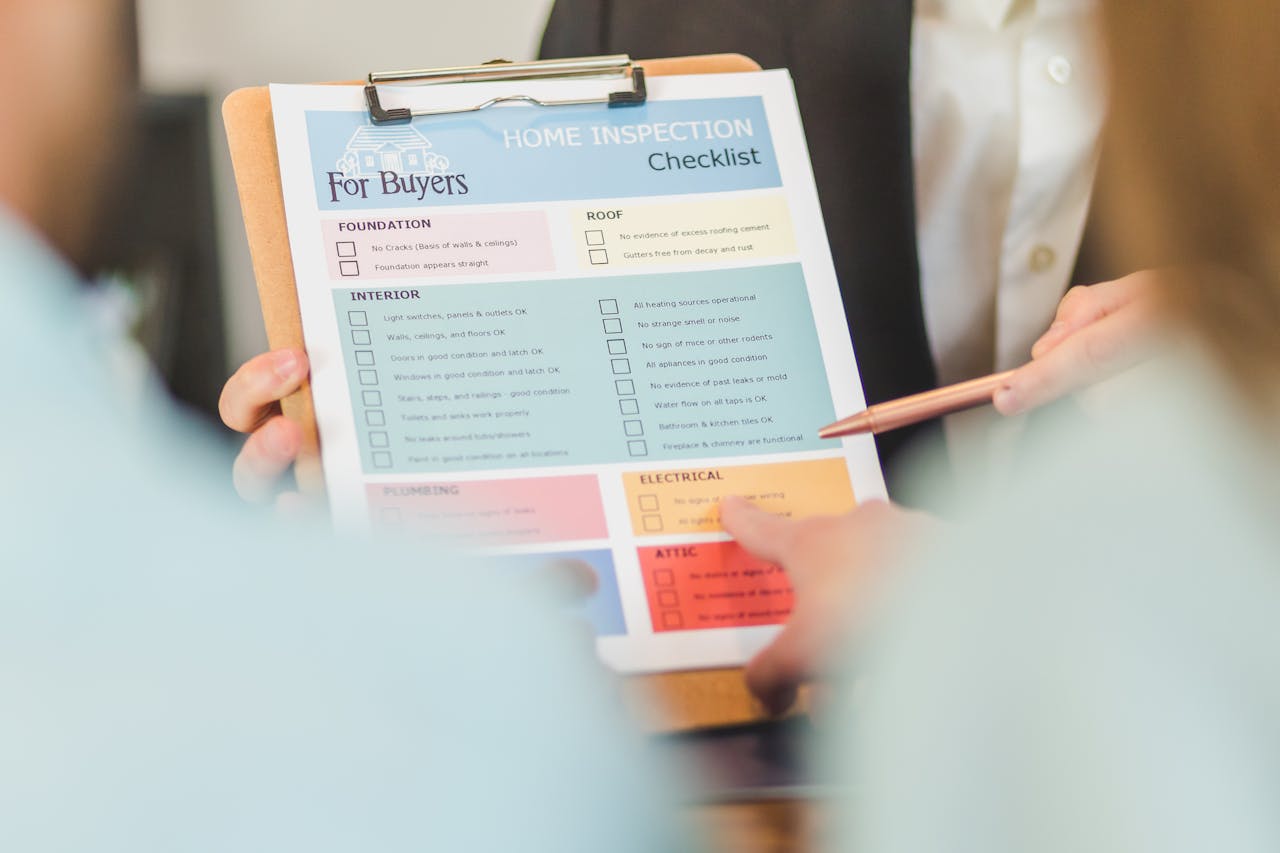
These days, taking care of your home means catching problems early. You see a small stain on the ceiling or notice a few loose shingles after a storm. At first, it feels minor. Over time, these small signs point to deeper issues.
Your roof works every day. It blocks heat, rain, and wind. When damage starts, it rarely stays in one place. Roof inspection services help you understand what is happening before problems spread.
Why Roof Inspection Services Are Important
Your roof stands between your home and the outside environment. Every season adds stress. Heat dries materials. Rain seeps into weak spots. Wind loosens components.
Without regular checks, these effects build up. A minor crack turns into a leak. A loose flashing section allows water inside.
Roof inspection services give you a clear picture of your roof's condition. They help you act early. This reduces repair costs and protects your structure.
Many homeowners schedule inspections once a year. Others request them after major storms. Both approaches help extend roof life and prevent sudden failures.
What Are Roof Inspection Services
Roof inspection services involve a detailed evaluation of your roof system. A professional roof inspection covers both visible and hidden components.
Inspectors check materials, structure, and supporting systems. They document damage, wear, and potential risks.
Residential vs Commercial Roof Inspection
Residential roof inspection focuses on homes. It includes shingles, flashing, and ventilation.
Commercial roof inspection applies to larger buildings. It often involves flat surfaces, membranes, and drainage systems.
Each type requires a different approach. The goal remains the same. Identify issues early and maintain performance.
Types of Inspections
Preventive roof inspection aims to catch problems before they grow. Annual roof inspection keeps your roof in stable condition over time.
Pre-purchase roof inspection helps buyers assess a property before closing. This step reveals hidden issues that affect value.
Some homeowners request inspections after storms. Others use them as part of routine maintenance.
Step-by-Step Process of a Professional Roof Inspection
Understanding the process helps you know what to expect.
Initial Assessment and Safety Check
The inspector begins with a roof safety inspection. They check access points and evaluate overall conditions.
Home inspection roofing starts with a general overview. This step highlights visible issues such as missing shingles or sagging areas.
Many cases of roof repair in Bourbonnais, Illinois, and the communities of Kankakee County begin with this stage. Early detection here often prevents larger repairs later.
Exterior Roof Evaluation
The inspector examines the outer surface in detail. Shingle roof inspection looks for cracks, curling, and missing pieces.
Metal roof inspection focuses on corrosion, loose fasteners, and panel alignment. Tile roof inspection checks for broken or shifted tiles.
Flat roof inspection identifies pooling water and membrane damage. These issues often lead to leaks if ignored.
Each material requires careful evaluation. Small defects often signal larger underlying problems.
Interior and Attic Inspection
The inspection continues inside your home. Attic and roof inspection reveals hidden issues that are not visible outside.
The inspector checks insulation, airflow, and moisture levels. Roof leak inspection identifies entry points for water.
Signs such as damp insulation or dark stains indicate problems. These areas require attention to prevent further damage.
Checking Critical Components
Key components often determine roof performance. Roof flashing inspection focuses on joints around chimneys, vents, and edges.
These areas handle heavy exposure. If flashing fails, water enters quickly.
Inspectors also review drainage systems and ventilation. Proper airflow reduces moisture buildup and supports long-term durability.
Common Problems Found During Roof Inspections
Roof inspections often reveal issues that develop slowly over time.
Structural and Surface Damage
Roof damage inspection identifies cracks, weak areas, and sagging sections. These issues affect both safety and performance.
Roof problem detection helps you address these concerns before they worsen. Even small damage can lead to larger structural problems.
Weather-Related Issues
Weather remains one of the biggest causes of roof damage. Storm damage roof inspection reveals issues caused by strong winds and heavy rain.
Hail damage roof inspection identifies dents and surface impact. Wind damage roof inspection detects lifted shingles and exposed areas.
These problems reduce durability and increase the risk of leaks.
Roof Inspection Reports and What They Include
After the inspection, you receive a detailed report. This document helps you understand your roof's condition.
Detailed Findings and Recommendations
A roof inspection report lists all findings. It includes a roof condition assessment and highlights areas of concern.
The inspector explains each issue and recommends actions. This guidance helps you plan repairs or maintenance.
Cost Estimates and Next Steps
The report often includes a roof inspection cost estimate for repairs. This gives you a clear idea of what to expect.
In some cases, inspectors suggest upgrades. For example, severe damage may lead to recommendations for roof installation services in Kankakee County from N & I Roofing.
This step ensures you address problems at the right level.
Benefits of Regular Roof Inspection Services
Regular inspections provide consistent value over time.
Preventing Costly Repairs
Early detection reduces repair costs. Fixing a small issue costs less than addressing major damage.
Roof maintenance inspection helps you stay ahead of problems. It prevents emergencies and protects your budget.
Extending Roof Lifespan
Roof lifespan assessment ensures your roof performs as expected. Regular checks extend its service life.
A well-maintained roof lasts longer and performs better under stress.
Choosing the Right Roof Inspector
The accuracy of your inspection depends on the professional you hire.
Credentials and Experience
Certified roof inspector qualifications show proper training. Licensed roof inspector status confirms compliance with industry standards.
Experience improves accuracy. Skilled inspectors identify issues that others may miss.
Finding Local Services
When searching for a roof inspection near me or a free roof inspection, focus on reputation and reliability. Local professionals understand common issues in your area.
They provide insights based on regional weather patterns and building types.
Should You Schedule Roof Inspection Services Now to Protect Your Property
Your roof protects everything inside your home. When it fails, damage spreads quickly.
Start with a professional inspection. Identify issues early and address them before they grow. This approach saves money and prevents stress.
Set a schedule for regular inspections. Annual checks keep your roof in good condition and reduce unexpected problems.
Take action today. Book roof inspection services and protect your property with informed decisions and timely maintenance.