How Exterior Building Maintenance Protects Long-Term Property Value
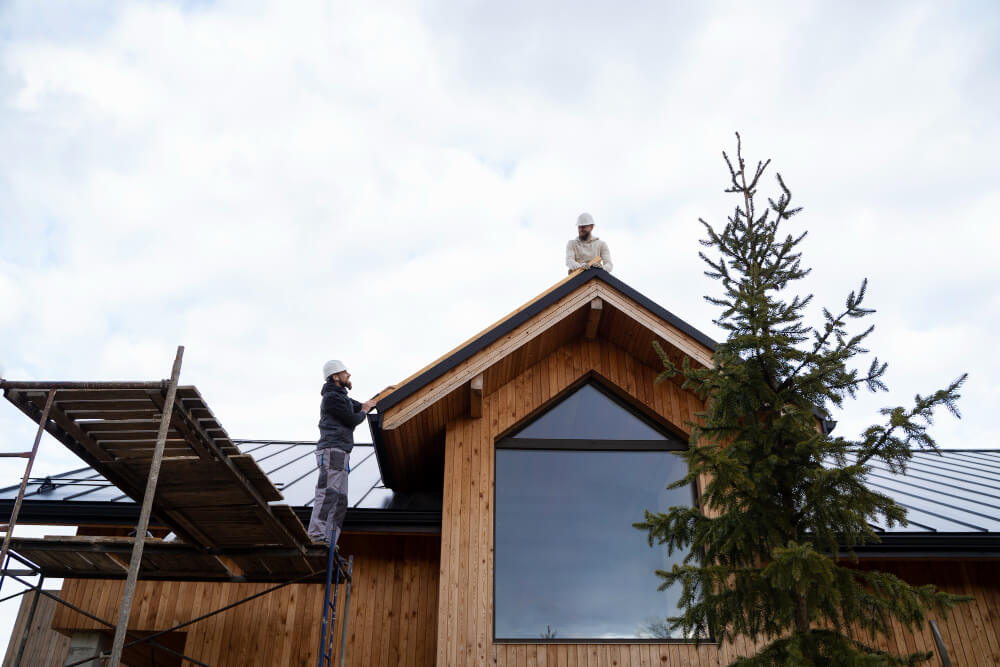
When people think about property value, they often focus on visible interior upgrades. Renovated kitchens, modern flooring, updated bathrooms, and stylish finishes usually receive the most attention because they create immediate visual impact. While these improvements certainly matter, long-term property value is often influenced just as heavily by something less exciting: exterior maintenance.
Roofing systems, siding, drainage, gutters, windows, and structural sealing all play critical roles in protecting residential buildings from gradual deterioration. When these systems are maintained consistently, they help preserve structural integrity, improve energy efficiency, reduce repair costs, and maintain the overall appearance of the property over time.
When maintenance is delayed, however, small exterior issues can quietly evolve into larger structural and financial problems that eventually affect both property performance and market value.
As housing markets become more competitive and repair costs continue rising, preventative exterior maintenance is becoming increasingly important for both homeowners and residential property managers.
Exterior Systems Protect Everything Inside
The exterior of a building functions as its primary defense against environmental exposure. Roofing, siding, flashing, drainage systems, and insulation all work together to prevent moisture intrusion, temperature instability, and structural wear.
When one part of this system weakens, surrounding areas often become vulnerable as well.
A damaged roof may eventually allow water intrusion that affects insulation, ceilings, drywall, or flooring. Poor drainage can contribute to moisture accumulation near foundations. Cracked exterior seals around windows or siding may gradually reduce energy efficiency while exposing materials to long-term weather damage.
Because these issues often develop slowly, property owners may not notice the full extent of the problem until visible interior damage appears. By that stage, repair costs are typically far higher than they would have been during earlier maintenance stages.
This is one reason preventative exterior care plays such an important role in protecting long-term property value.
Weather Exposure Creates Continuous Wear
Residential buildings experience constant environmental stress throughout the year. Rain, heat, wind, humidity, storms, and seasonal temperature fluctuations all gradually affect exterior materials over time.
Roofing systems absorb much of this exposure directly. Repeated expansion and contraction caused by changing temperatures may slowly weaken materials, while storms and moisture exposure can accelerate deterioration if vulnerabilities already exist.
In regions exposed to strong seasonal weather conditions, exterior maintenance becomes especially important because small weaknesses may worsen quickly once environmental stress increases.
To reduce long-term structural risk, many property owners work with experienced providers such as Pickle Roofing services to identify roofing concerns early and maintain exterior systems before larger water or structural issues develop.
Preventative inspections and timely repairs often help preserve both building performance and long-term property stability.
Deferred Maintenance Usually Costs More Later
One of the biggest financial mistakes property owners make is postponing exterior maintenance in an attempt to avoid short-term expenses.
In reality, delayed repairs often create larger and more expensive problems later. A relatively minor issue addressed early may prevent major restoration work involving water damage, insulation replacement, mold remediation, or structural repairs.
There are also indirect financial consequences connected to deferred maintenance.
Poor insulation or roofing deterioration may increase heating and cooling expenses. Water intrusion may damage interior finishes or reduce tenant satisfaction in rental properties. Visible exterior neglect may also affect buyer perception and reduce overall market appeal.
Emergency repairs are typically more disruptive and expensive because they require immediate labor, urgent scheduling, and faster material replacement decisions.
For many property owners, preventative maintenance ultimately becomes far more cost-effective than reactive repair cycles.
Building Appearance Influences Perceived Value
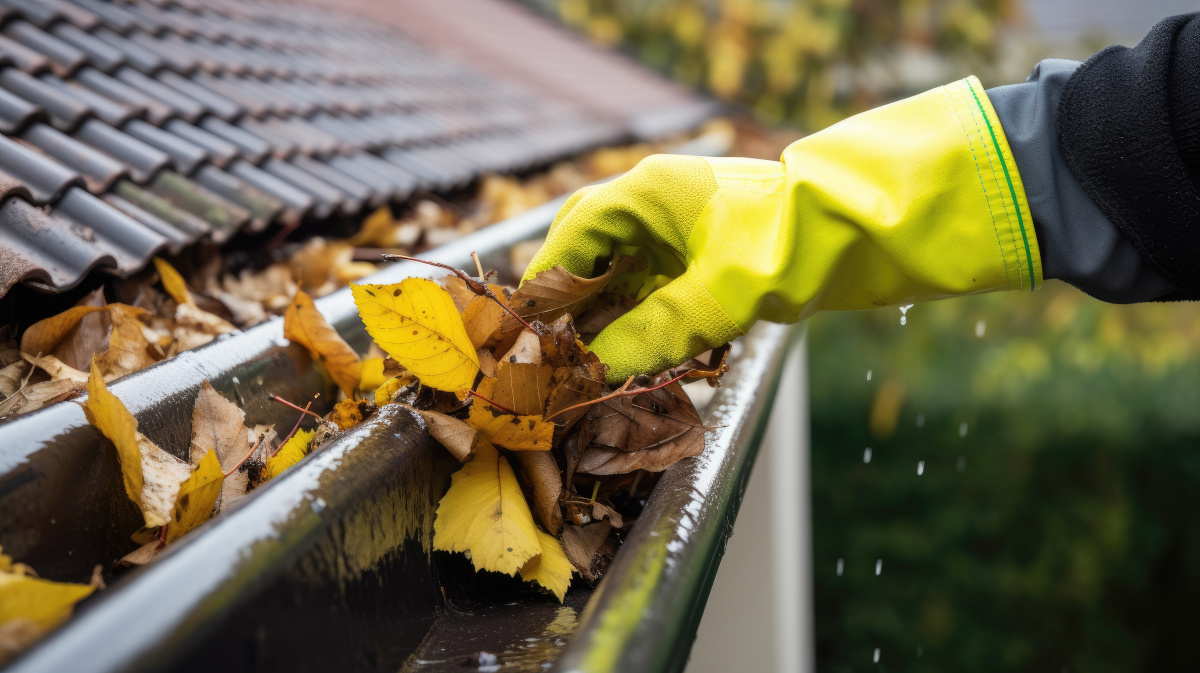
Exterior condition strongly affects how people perceive a property.
Buyers, renters, and visitors often form first impressions based on roofing condition, landscaping, siding quality, windows, and overall structural appearance before they ever enter the building itself. Even well-designed interiors may feel less appealing if exterior maintenance appears neglected.
This is particularly important in competitive housing markets where buyers and renters compare multiple properties within similar price ranges.
Visible exterior wear may create concerns about hidden maintenance problems even when interior spaces appear updated. By contrast, well-maintained exteriors often signal responsible ownership and long-term property care.
Curb appeal therefore influences more than aesthetics alone. It directly affects perceived reliability and investment confidence.
Exterior Maintenance Supports Tenant Satisfaction
For rental properties and multifamily housing, exterior maintenance also affects tenant experience.
Roof leaks, poor insulation, drainage issues, and inconsistent climate control may reduce overall comfort while increasing frustration among residents. Tenants increasingly pay attention not only to apartment interiors but also to the overall condition of the building itself.
Properties that maintain exterior systems consistently often experience fewer emergency maintenance situations and more stable long-term tenant satisfaction. Well-maintained buildings also tend to feel safer, more professionally managed, and more reliable overall.
As renters become more selective about housing quality, exterior upkeep plays a growing role in tenant retention and long-term occupancy performance.
Energy Efficiency Matters More Than Before
Energy efficiency has also become an increasingly important part of property value discussions.
Roofing condition, insulation quality, ventilation systems, and exterior sealing all affect how efficiently buildings regulate indoor temperatures. When exterior systems weaken, heating and cooling systems often work harder to compensate, increasing energy consumption and operational costs.
Modern buyers and renters are paying closer attention to utility efficiency because rising energy costs directly affect monthly living expenses.
Well-maintained exterior systems therefore contribute not only to structural protection but also to financial practicality over time.
Older Buildings Require More Attention
Older residential properties often require even greater maintenance awareness because exterior materials naturally deteriorate with age.
Roofing systems, sealants, gutters, siding, and drainage infrastructure all experience gradual wear from decades of environmental exposure. While older buildings frequently offer architectural character and desirable locations, they may also require more consistent preventative maintenance to remain structurally reliable.
Ignoring early warning signs in aging buildings often allows deterioration to spread more quickly than property owners anticipate.
Routine inspections become especially important for identifying smaller vulnerabilities before they create larger structural or financial problems later.
Preventative Maintenance Preserves Long-Term Stability
Consistent exterior maintenance ultimately protects more than appearance alone. It helps preserve structural integrity, financial value, tenant satisfaction, and long-term building performance.
Organizations such as the National Association of Home Builders continue emphasizing the importance of preventative residential maintenance for preserving property condition, efficiency, and long-term value.
While cosmetic upgrades often receive the most attention, exterior systems quietly determine how effectively a building withstands environmental stress over time.
Property value is not shaped only by visual upgrades or market trends. In many cases, it is protected through the smaller maintenance decisions that prevent larger structural problems from developing in the first place.