Real Estate Asset Protection Through Preventive Maintenance
Owning property requires a clear strategy to guard your financial investment from unexpected depreciation. Small structural issues can quickly turn into massive financial drains if left unchecked by owners.
Regular inspections protect building value over time and keep physical assets in peak condition. Smart owners stay ahead of structural degradation by focusing on early intervention strategies.
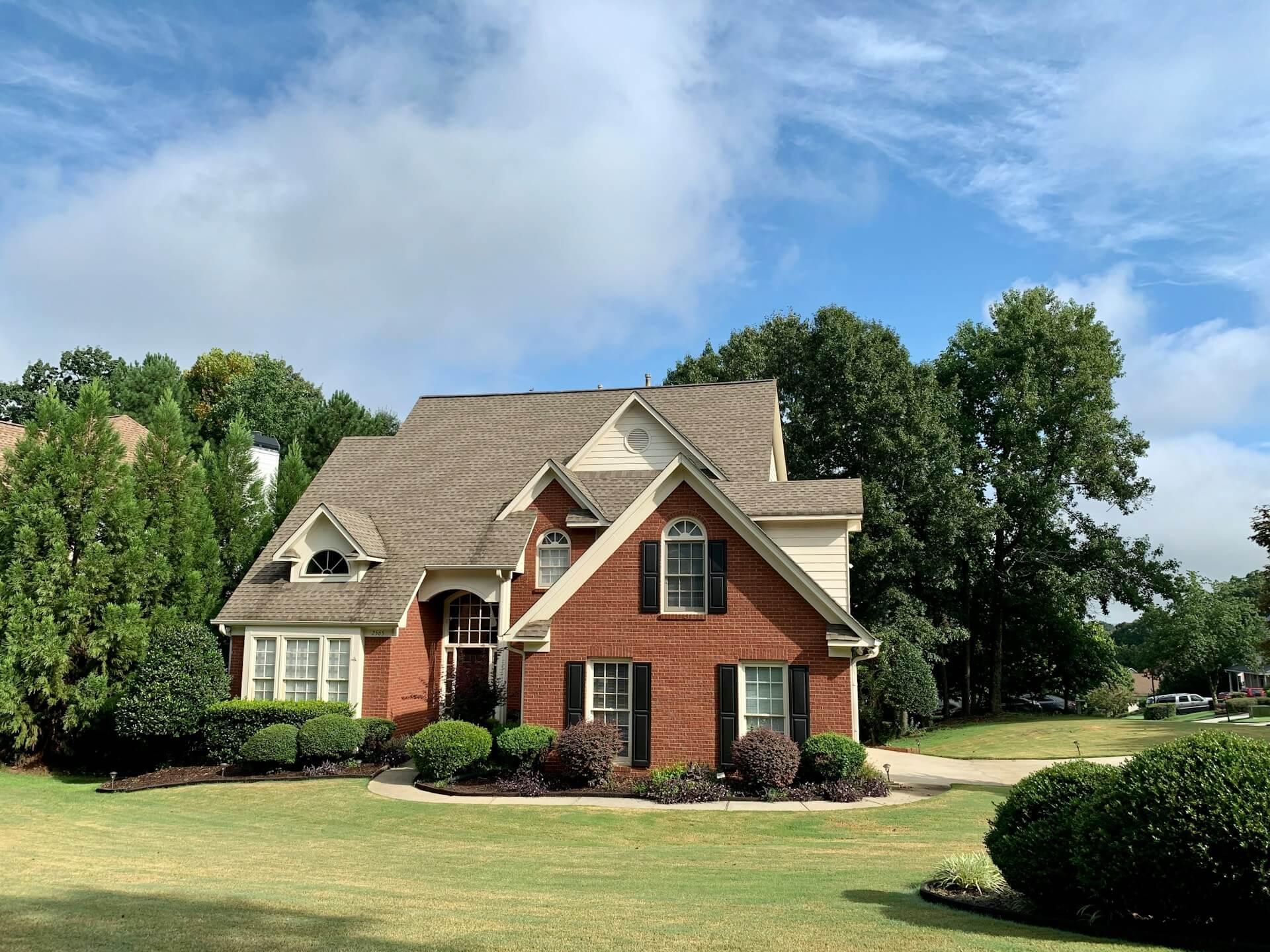
The Value Of Proactive Property Management
Real estate investments require constant oversight to preserve their market value in competitive areas. Neglecting small fixes leads to catastrophic system failures later when systems completely break down. Consistent property reviews keep small maintenance issues from turning into major operational headaches.
Property owners need to monitor their property structures regularly to detect normal wear. When you notice minor leaks, you can contact Valiant Roofing or another expert to get assistance before structural damage occurs. Taking action early prevents massive repair bills down the road and protects your baseline capital.
Routine checks keep every single part of the building working correctly throughout the changing seasons. This simple habit keeps tenants happy and protects equity for long-term financial growth. Diligent management helps your investments remain highly profitable for many years.
Tracking Asset Data For Better Savings
Monitoring physical properties requires excellent tracking tools to maintain accurate fiscal oversight. A government real property division report notes that asset management tools show property utilization and reveal clear cost avoidance opportunities. These data systems allow groups to compare their performance metrics with national averages.
Tracking data gives clear insights into which systems cost the most money over time. Owners can spot patterns of wear before a total system breakdown happens unexpectedly. This information guides replacement schedules and keeps operations running smoothly without major interruptions.
Having these metrics helps in planning annual budgets with high accuracy and confidence. You can allocate funds where they are needed most to address immediate building concerns. Data-driven choices eliminate guesswork from your property management routine entirely.
Avoiding The Pitfalls Of Reactive Repairs
Waiting for something to break before fixing it is a costly mistake for any owner. Federal building operations guidelines suggest incorporating preventive and predictive maintenance instead of relying on reactive repairs. This method keeps building functions reliable and avoids expensive system failures across the entire property.
Reactive fixes often cost 3 times more than planned upkeep from emergency response fees. Emergency repairs require fast shipping and expensive after-hours labor rates from local contractors. These sudden expenses drain cash reserves and disrupt standard business operations for weeks.
Regular schedules eliminate these surprise expenses completely by resolving issues before they expand. Your operations remain smooth and predictable throughout the year with minimal tenant complaints. Investing in steady upkeep brings peace of mind to property managers and investors alike.
Key Structural Areas To Inspect Regularly
Certain parts of a building face more environmental stress than others during the year. Roofs and foundations bear the brunt of weather changes and heavy storm damage. Regular monitoring of these components shields the interior of the property from severe structural harm.
Water penetration destroys drywall and creates structural rot hidden deep inside the walls. Regular inspections locate tiny cracks before water gets inside and triggers major structural decay. Catching these problems early saves thousands of dollars in remediation costs.
Focus on these specific exterior items during your seasonal checks to keep things safe. Regular tracking prevents surprises. Look closely at these elements:
- Clean all gutters of heavy debris and leaves
- Check seals around exterior windows and doors
- Inspect local drainage paths near main foundations
- Track physical changes in concrete walkways
Financial Benefits Of Early Intervention
Spending $100 on maintenance today saves thousands of dollars in emergency fixes tomorrow. Financial protection is the primary goal of asset preservation plans for smart real estate investors. Lowering operational costs directly improves the net operating income of your commercial properties.
Consistent upkeep extends the lifespan of expensive equipment like industrial HVAC units and roofs. Extending equipment life by 5 years keeps cash in your pocket for other investments. Long-lasting machinery reduces the need for frequent capital-intensive upgrades over time.
Higher property values attract premium tenants who pay top dollar for quality spaces. Well-maintained buildings command higher market prices during formal appraisals and sales negotiations. Taking care of the property builds a strong reputation in the competitive local marketplace.
Developing A Workable Maintenance Schedule
Creating a checklist simplifies long-term property oversight for busy managers and owners. Divide tasks by season to make the annual workload manageable for your staff. A structured timeline helps teams stay accountable and prevents critical tasks from slipping through the cracks.
Spring is perfect for checking exterior paint and siding after harsh winter weather ends. Winter preparation should focus on heating systems and pipe insulation to prevent freezing. Autumn requires thorough roof cleaning to prepare for heavy rain and snow accumulation.
Keep a digital log of every single repair completed on the premises. Documentation proves your careful management to future buyers and insurance companies during evaluations. Clear records help track the performance of different building components over their life cycles.
Protecting Long-Term Capital Investments
Real estate is often the largest asset in an investment portfolio for individuals and corporations. Safeguarding this capital requires active defense against physical decay and environmental wear. Neglect can reduce the value of an asset faster than market downturns.
Weathering and aging are constant threats to structural integrity that require steady monitoring. A hands-on approach mitigates these risks effectively before they cause permanent damage to your portfolio. Active owners protect their wealth by treating maintenance as a necessary shield.
Property protection is an ongoing commitment - it requires steady effort and daily attention. Your financial future rests on the stability of these physical assets and their performance. Taking responsibility for maintenance yields excellent long-term rewards for everyone involved.

Protecting real estate investments takes consistent effort from dedicated property managers. Early action stops small maintenance needs from becoming major financial crises that destroy profitability.
Regular upkeep secures property value for years to come. Commitment to property care guarantees strong financial returns and structural safety for all occupants.