Storm Season Maintenance: A Landlord and Renter's Guide
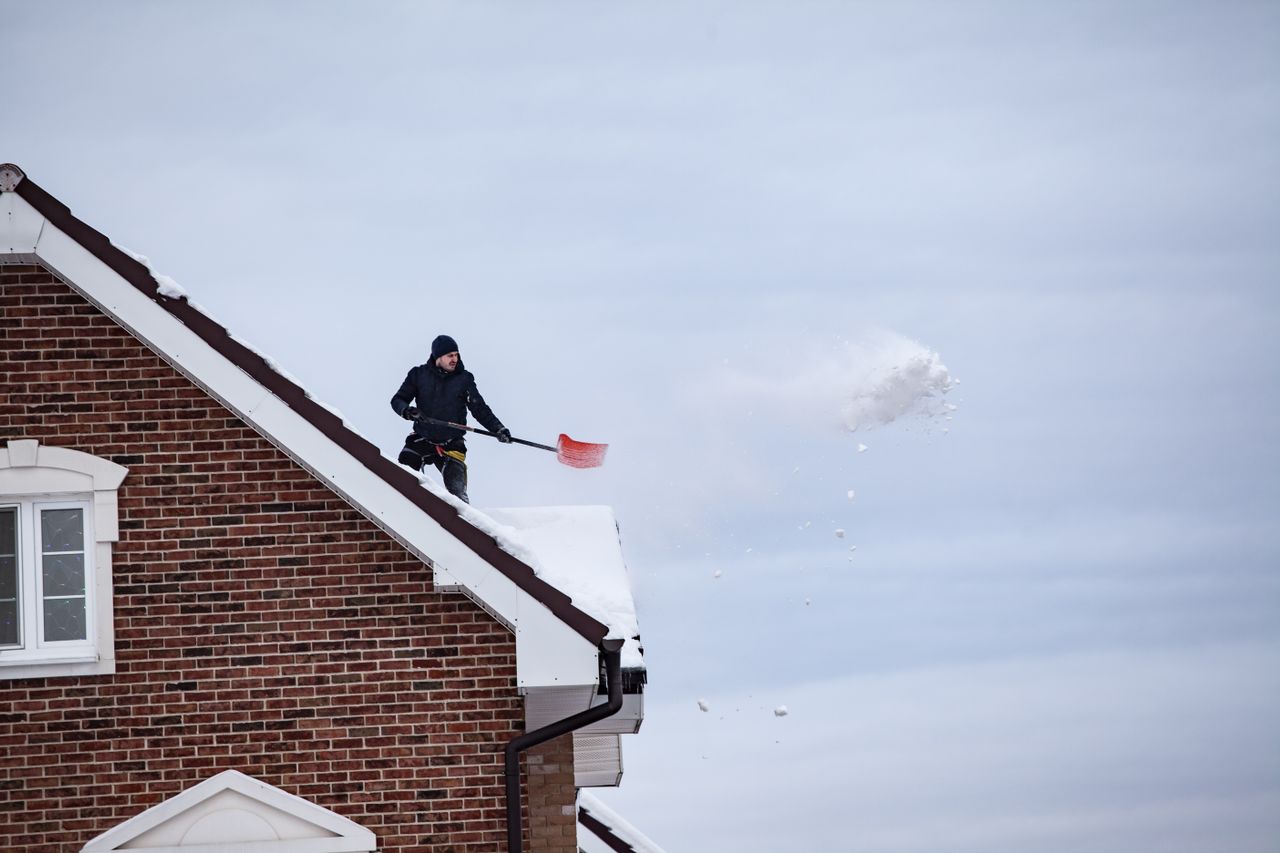
A single missed shingle can turn into a $900 ceiling repair, a mold scare, and a tenant who tells every neighbor on the block. I've watched it happen to small landlords in older triple-deckers who never climbed onto the roof until water was dripping into a hallway light fixture.
Here's the deal: most storm damage doesn't announce itself. It starts small, sits quietly through a wet fall, and shows up as a brown ring on a bedroom ceiling in February. So this guide is about catching it early and knowing who pays for what.
Landlords, you own the exterior and the structure. Renters, you own what happens inside your unit and your own stuff. Confused about that line? You're not alone, and getting it wrong at the wrong moment causes real arguments. I've seen landlords in older buildings hire companies for roofing in Monroe and similar climates where lake winds, ice, and driving rain chew through shingles faster than inland properties, and the smart ones build an inspection into their yearly calendar instead of waiting for a phone call at 11 p.m.
Why older buildings get hit harder
Age is the quiet villain. Roofs made of asphalt shingles past their warranty years crack at the edges, flashing around chimneys pulls loose, and gutters clog with leaf debris you don't notice until the first heavy rain backs up under the drip edge.
Winter makes all of it worse. According to the National Weather Service, freeze and thaw cycles push water into small gaps, then expand it when temperatures drop again, which is why a hairline crack in autumn becomes a leak by New Year's. Your building doesn't have to be on the coast to suffer. A flat roof on a commercial building downtown has the same problem in miniature: standing water, failed seams, and a slow drip onto a tenant's equipment.
Who pays when the ceiling leaks
This is the question that starts most rental disputes, and it has a fairly clean answer. Structure and systems belong to the landlord. Personal property and tenant negligence belong to the renter.
A rotten roof deck, failed flashing, or a gutter that pulled away from the fascia? Landlord. A tenant who stuffed a plastic bag down a floor drain or left a window open during a nor'easter? That conversation goes differently.
| Problem | Who typically covers it | Move fast if... |
|---|---|---|
| Missing shingles or damaged flashing | Landlord | Water is entering the unit |
| Clogged gutters causing overflow | Landlord, unless the renter was told to clear them | Water is pooling near the foundation |
| Window left open in a storm | Renter | Interior damage is spreading |
| Leaking window frame from failed sealant | Landlord | Renter's belongings are at risk |
| Tenant's laptop ruined by a drip | Renter's renters insurance | Rarely, but document everything |
Neither side should rely on luck here. The Federal Emergency Management Agency consistently points property owners toward documenting damage with dated photos before cleanup, and that habit resolves more arguments than any lease clause.
The five-step storm season checklist
I've boiled this down to a sequence you can actually run in an afternoon. Block two hours on a dry Saturday.
- Walk the perimeter. Look up at the roofline from the ground. Missing shingles, sagging gutters, and popped nails are all visible without a ladder. Binoculars help and cost less than a service call.
- Clear the drains and gutters. For buildings with flat roofs, check that scuppers and roof drains are open. For pitched roofs, clear the gutters at downspout outlets, which is where most clogs form.
- Check the flashing at every penetration. Chimneys, vent stacks, skylights, and the intersection where a wall meets the roof. That's where water gets in first.
- Look inside. Walk every unit with a flashlight and check ceilings, especially corners and around light fixtures. Discoloration is evidence.
- Photograph and file. Date-stamped photos, a notebook, and a folder in your email. Then tell your tenant what you found and what happens next.
Renters, your version is shorter: report anything that looks like a ceiling stain the same week you see it, photograph it, and put the request in a text or email so the timeline exists on paper. A phone call that nobody logs is a phone call that never happened.
When it's time to call a pro
There's a line between maintenance and a job that needs a crew, and it's usually the roof itself. If you're looking at a spot where shingles are curling, a valley that's been patched twice, or a sagging section that you can see from the sidewalk, stop climbing and start calling.
For landlords in the Midwest, snowy regions see roof damage claims pile up after hard winters, and federal housing guidance on inspection responsibilities is clear enough that deferring maintenance creates liability. The Department of Housing and Urban Development expects owners to keep units in safe, sanitary condition, and a known leak you didn't fix is a hard argument to win.
Renters, you have a role too. If you report a leak and nothing happens for a week, send a follow-up in writing and mention that water damage is spreading. That changes the urgency and creates a record.
The part that actually costs you
Most storm damage I've seen wasn't dramatic. It was a 20-cent washer on a vent stack, a gutter that pulled loose, or a piece of flashing installed wrong three contractors ago. Small failures that cost $50 upfront cost a thousand times that when you ignore them.
So the real advice is boring: walk your building twice a year, keep a written log, and fix the tiny thing while it's still tiny. That's it. No app required.
Now go check your gutters before the next rain. And if you're a renter with a ceiling stain you've been ignoring since October, text your landlord today, before it gets bigger than a conversation.