How to Maintain a Multi-Level Home Without Overlooking the Essentials
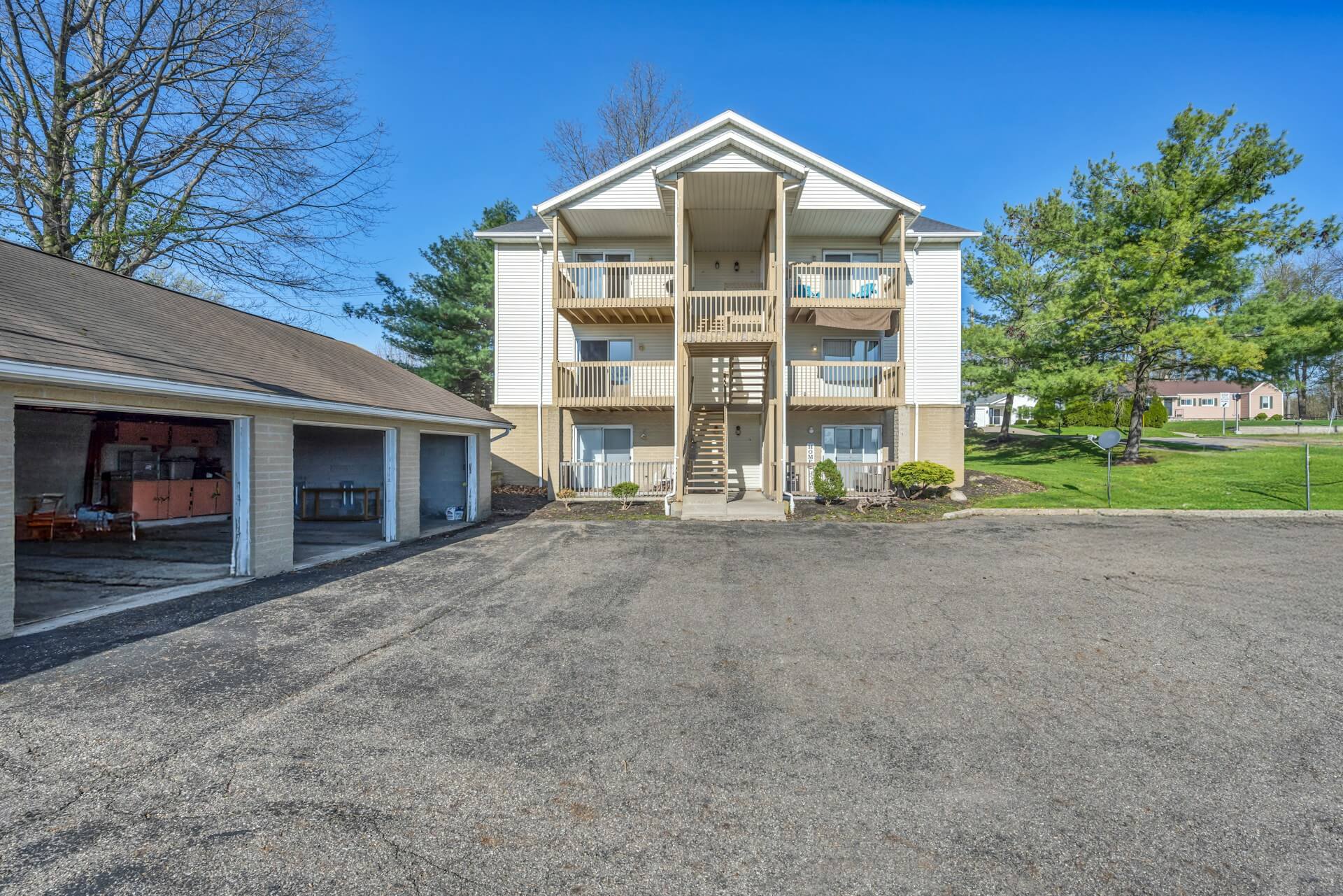
Multi-level homes remain a popular choice for homeowners across the U.S. A Residential Design article states that more than half of the single-family homes built in 2025 had two or more stories. Nationwide, that share fell from 52.5% in 2024 to 51.4% in 2025, while one-story homes rose from 47.5% to 48.6%. So, despite the slight shift, two-story and taller homes still made up the majority of new construction.
Maintaining a multi-level home requires more than regular cleaning and occasional repairs. Each floor has its own maintenance needs, and keeping everything in good condition can sometimes feel overwhelming. Ignoring small issues can lead to bigger problems and expensive repairs over time.
A little planning can make home maintenance much easier. When you understand what each level needs, you can address potential problems early and keep everyday systems working efficiently. This article covers the essentials of maintaining a multi-level home.
Inspect Plumbing Systems and Water Pressure Regularly
Regularly inspecting plumbing systems helps prevent minor issues from turning into major ones. Check faucets, exposed pipes, drains, and visible plumbing connections on every floor for leaks, corrosion, or signs of wear. Also, inspect the water heater, bathroom fixtures, and kitchen plumbing to ensure everything works properly.
Pay attention to water pressure on upper floors, as inconsistent flow may indicate blockages or pressure-related problems. Consider having basic plumbing supplies and replacement parts ready for everyday maintenance. Reliable fittings, connectors, and valves can make common repairs much simpler. Websites like 24hr.supply provide plumbing supplies, replacement parts, and other home maintenance essentials.
Make sure the drainage system works properly on all levels. Slow drains, recurring blockages, or unpleasant odors may indicate underlying plumbing problems. Clean drain covers and avoid flushing unsuitable materials down toilets. If you notice sudden pressure changes or persistent leaks, contact a qualified plumber. Regular inspections help you catch problems early and prevent expensive repairs.
Keep Roofing, Gutters, and Drainage Systems in Good Condition
The roof, gutters, and drainage system work together to help protect your whole home from water damage. Inspect the roof periodically for damaged shingles, cracks, loose fittings, or signs of water intrusion. Keep gutters and downspouts clear so rainwater drains away from your home instead of pooling near the foundation. Also, check balconies, terraces, and upper-floor drainage outlets for blockages that could cause water to collect.
Regular inspections can help you catch problems early, before they spread to other parts of your home. A noticeable leak or large ceiling stain isn’t always the first sign of water damage. Scott Johnson, president of the American Society of Home Inspectors, explains in a September 2025 Consumer Reports article that the early clues are often easy to miss. However, if left unchecked, water will eventually take its toll.
Look for early signs of moisture damage on ceilings and exterior walls. Yellow or brown stains, peeling paint, damp patches, bubbling surfaces, and musty odors may indicate leaks. Check for cracks, discolored exterior surfaces, and signs that the masonry is starting to crumble. Addressing these warning signs early helps prevent further structural damage and costly repairs.
Maintain Consistent Water Pressure Across All Floors
Keeping water pressure steady throughout your home can be tricky, especially with several bathrooms, kitchens, and other water outlets. Pressure often drops on upper floors because water has to travel upward against gravity. Pipe size and layout matter. Narrow or poorly designed pipes can limit the flow.
You may notice an even bigger drop when several people are using showers, faucets, or appliances at the same time. These issues can make everyday activities less convenient and affect the performance of household fixtures.
If your existing plumbing system cannot provide sufficient pressure, a booster pump may help improve water distribution. The right system depends on your home's layout, water demand, and existing plumbing setup.
You can explore different types of booster pumps by Grundfos to find the one that best suits your residential water pressure needs. Regular inspections help keep water reaching every floor and make it easier to catch plumbing problems early.
Check Electrical Systems, Heating, and Cooling Equipment
According to the National Fire Protection Association, U.S. fire departments responded to an estimated 46,652 home electrical structure fires annually from 2020 through 2024. On average, the fires caused 527 civilian deaths and 1,580 civilian injuries each year. They also caused $2.4 billion in direct property damage each year. These figures highlight why regular inspections and preventive maintenance are essential for home safety.
Keeping your electrical, heating, and cooling systems in good condition helps maintain a safe and comfortable environment throughout your multi-level home. Inspect electrical outlets, switches, visible wiring, and circuit breakers for signs of damage, overheating, or unusual smells.
If you’re dealing with flickering lights, repeatedly tripped breakers, or faulty outlets, ask a qualified electrician to take a look. Also check whether your heating and cooling systems distribute air evenly across all floors, as upper and lower levels may have different temperature needs.
Clean or replace HVAC filters regularly to maintain proper airflow and help your equipment operate efficiently. Check thermostats and ventilation outlets on each floor to identify uneven heating or cooling. Also, test smoke detectors, carbon monoxide alarms, and other essential safety devices. These simple checks help you identify potential problems and keep your household protected.
Create a Seasonal Maintenance Schedule for Every Floor
An article from Better Homes & Gardens compares home maintenance to personal health care: both benefit from regular check-ups. Seasonal checklists make upkeep easier by laying out the tasks to tackle throughout the year. Regular checks can prevent breakdowns and save money over time. It helps you keep every floor of your home in good condition without feeling overwhelmed.
Put together a checklist of monthly, quarterly, and annual tasks to stay on track. As part of your regular checks, inspect windows, doors, stairs, railings, and flooring for loose fittings, cracks, or signs of wear. Focus on high-traffic areas, where small problems can quickly grow if left unattended.
Maintain a record of inspections, professional servicing, warranties, and replacement dates for your household’s key systems. This makes it easier to track maintenance needs and plan future expenses. Also schedule professional inspections for electrical, plumbing, and HVAC systems that require specialized attention. A steady routine helps you stay organized and keep every floor and essential maintenance task on your radar.
FAQs
How often should you inspect a multi-level home for maintenance issues?
Inspect your multi-level home monthly for minor issues such as leaks, loose fittings, and drainage problems. Schedule more detailed checks quarterly and arrange annual professional inspections for major systems. Also, inspect your home after severe weather or whenever you notice unusual changes or damage.
Why does water pressure sometimes decrease on the upper floors of a house?
Water pressure often decreases on upper floors because water must travel against gravity, reducing pressure as it rises. Narrow pipes, blockages, or several fixtures running at once can all reduce water flow. If your plumbing system can’t keep up with household demand, a booster pump may help increase pressure.
What home maintenance tasks should homeowners prioritize before winter?
Before winter, inspect your roof, gutters, windows, and doors for damage or leaks. Check heating systems, clean air filters, and test smoke and carbon monoxide alarms. Insulate exposed pipes, seal drafts, and address plumbing issues. These simple steps help you prepare your home for colder weather and prevent costly repairs.
Multi-Level Home Maintenance Checklist
| Area | Key maintenance tasks | Recommended frequency |
|---|---|---|
| Plumbing | Check pipes, faucets, drains, and water pressure on every floor | Monthly |
| Roofing and gutters | Inspect shingles, clear gutters, and check drainage outlets | Quarterly |
| Electrical systems | Check outlets, switches, wiring, and circuit breakers | Quarterly |
| HVAC systems | Clean filters, check thermostats, and inspect ventilation | Monthly |
| Windows and doors | Check seals, locks, frames, and weatherstripping | Seasonally |
| Stairs and railings | Inspect handrails, steps, and flooring for damage or loose fittings | Monthly |
| Safety devices | Test smoke detectors and carbon monoxide alarms | Monthly |
| Structural elements | Check ceilings, walls, foundations, and exterior surfaces for damage | Annually |
Maintaining a multi-level home does not have to feel like a constant responsibility. With consistency and thoughtful planning, you can create a comfortable, functional, and welcoming living space for everyone.
Good home maintenance means making informed choices and staying prepared, instead of waiting for something to go wrong. Take a practical approach, involve your family when needed, and give your home the attention it deserves. Small, consistent efforts can make homeownership more rewarding and less stressful.