Preventing Fire Hazards: The Landlord-Tenant Guide To Electrical Safety
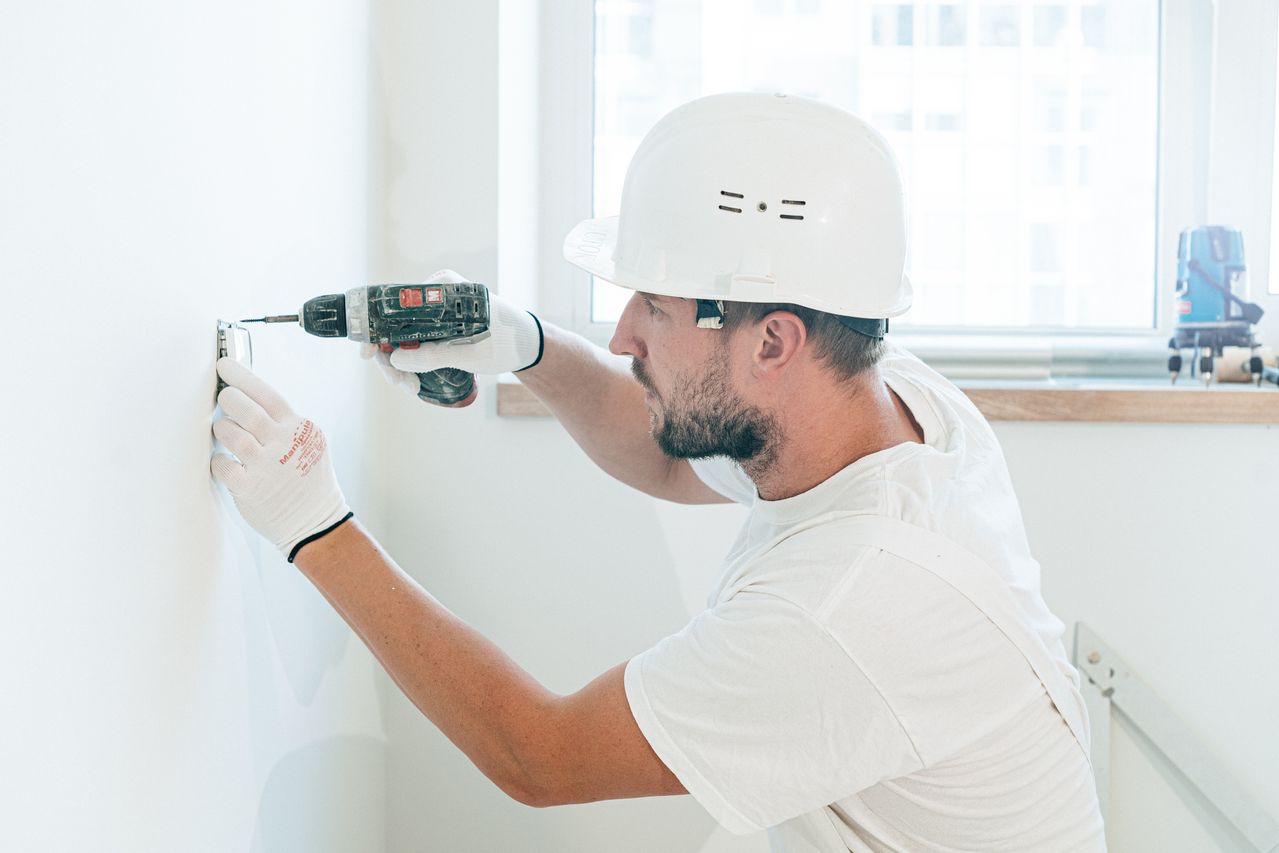
For many landlords and tenants, a buzzing outlet or a flickering light isn't a cause for concern. Oftentimes, these are viewed as mere inconveniences, right up until the moment that they cause serious damage or injuries. A faulty electrical infrastructure can cause nasty shocks, and in some cases, it may lead to deadly fires. According to the Massachusetts Department of Fire Safety, 19 percent of residential structure deaths in 2023 were caused by electrical fires. Apart from faulty wiring, the DFS said that factors like uncontrolled cooking fires, smoking, and propane explosions accounted for 212 civilian injuries and more than $320 million in property damage in the same year.
When it comes to rental properties, electrical safety is not just a matter of convenience, but a critical responsibility that protects lives and assets. Maintaining a safe rental home should be a joint venture as landlords must provide secure infrastructure, while tenants should use it responsibly. To manage living spaces and prevent fire hazards, here is the landlord-tenant guide to electrical safety.
Landlord Responsibilities
As a landlord or building owner, it is extremely important to keep electrical systems in good working order to protect your investment and keep renters safe at all times. Keep in mind that the majority of electrical fires rarely start with a massive explosion. Instead, they begin with a frayed wire that everyone noticed but nobody bothered to fix, so don't overlook deadly hazards in plain sight, as well as those that are hidden away behind a drywall. Every few years or between tenancies, be sure to hire a certified electrician to inspect the property's wiring and panels. Prioritize repairs promptly, and let experts handle issues such as exposed wires, burning smells, or broken outlets immediately.
All installations in apartments or property grounds should always be performed by a licensed electrician to ensure that the property meets the National Electrical Code. For safety and best results, never attempt to upgrade panels or hard-wire smoke detectors and carbon monoxide alarms yourself. Also, have electricians install Ground Fault Circuit Interrupters (GFCI) in areas exposed to moisture, such as kitchens, garages, laundry rooms, patios, and pool areas. This fast-acting safety device can prevent electric shocks as it tracks the electricity flowing in and out of circuits. If the GFCI detects that current is leaking through water or a person, it will cut the power in less than a tenth of a second to stop harm.
Tenant Obligations
As a tenant, keeping your home safe from electrical hazards relies heavily on your everyday habits. Your primary role is to flag issues the moment they arise, so tell your landlord or property manager right away if you see sparking outlets, blinking lights, or damaged switches. Make it a point to use all appliances correctly and follow the manufacturer instructions for all tenant-owned or landlord-provided gadgets. To prevent overloading, avoid plugging too many high-wattage devices into a single extension cord or wall socket. Instead, ask your landlord if it's possible to install additional wall sockets in areas where you need them the most, such as the kitchen, home office, and living room.
Avoid DIY repairs at all cost. Instead of fixing wiring or outlets yourself, always let the landlord hire a qualified professional to do electrical repairs. Note that you're allowed to perform minor maintenance tasks though, so change burnt out lightbulbs and test safety switches or smoke alarms regularly as required by your rental agreement. Also, let your landlord and electrician enter your home for scheduled safety checks or repairs. During inspections, mention if specific appliances trip frequently when turned on, and point out any hard-to-reach areas or locked spaces that need to be checked. If you live in an older building, ask the electrician about safe load limits for wall outlets to avoid overloading circuits with multi-plug adapters.
Streamline Electrical Issue Reporting and Repairs
To make reporting and fixing electrical issues in rental properties seamless, landlords should set up a property management software or dedicated maintenance app where tenants can upload photos or short video clips of sparking outlets or smoking light switches. Provide backup options, such as a dedicated SMS line or email address for tenants who prefer traditional messaging.
For structured triage and response, categorize issues that can be considered as real emergencies. Things like burning odors, total power loss, or exposed wires, for instance, should be treated as emergencies, so they require immediate response and action. Meanwhile, a broken light fixture or a non-working outlet can be labeled as "routine maintenance," so they can be addressed within 24 to 48 hours.
A safe rental home relies on teamwork between landlords and tenants. With landlords providing a safe and secure foundation and renters practicing daily caution, accidents and fires can be prevented, and everyone can have peace of mind.