How to Plan Excavator Maintenance Around a Property Drainage Project
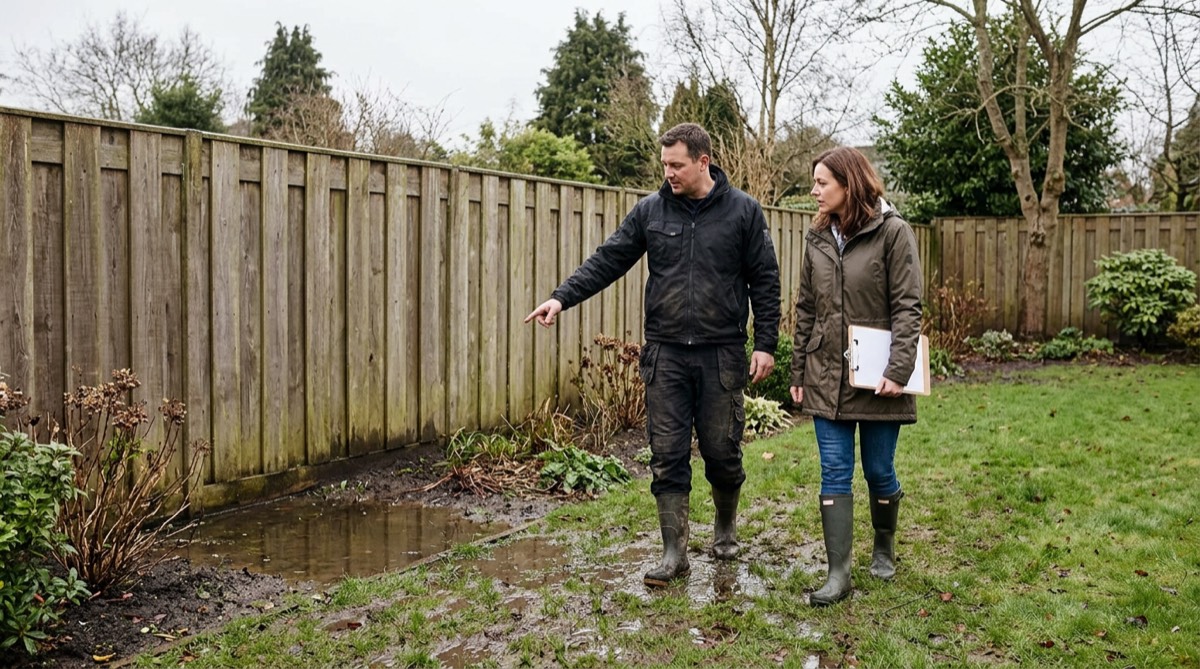
You've just signed a drainage job for a homeowner whose backyard turns into a pond every spring. The plan is a French drain along the fence line and a trench out to the street, and the start date is three weeks away. Your mini excavator ran fine on the last job, but you noticed a slow weep from one of the cylinders when you parked it.
That's the moment to plan maintenance, not the morning you unload at the site. A drainage job asks a lot of a small machine: repeated trenching, wet soil and long days of short, precise cycles. A few weeks of planning lets you find what needs attention, order the right parts and get repairs done before the homeowner is watching from the patio.
Step 1 - Scope the Drainage Job Before You Book the Machine
The job's scope tells you how hard the machine will work and which parts will take the strain. Walk the property with the plan in hand and note trench lengths, depths, soil type and how close you'll be working to the house, fences and trees.
Depth matters for more than the machine. OSHA states that trenches 5 feet deep or greater require a protective system unless the excavation is made entirely in stable rock. Most residential drains are shallower, but a deep outlet or a dry well can cross that line, and the protective system has to be planned and on site before anyone enters the trench.
Write down the expected hours of digging. A two-day French drain and a week of trenching with a dry well put very different loads on the hydraulics and the undercarriage.
Step 2 - Identify the Machine Exactly
Exact machine details are the foundation of every part you'll order. "A Kubota mini" isn't enough, because similar models can use different seals, hoses and filters.
Collect these details before you inspect anything:
- Make and full model number
- Serial number from the machine's data plate
- Year of manufacture
- Current hour meter reading
- Date and hours of the last service
Photograph the data plate and keep the photo with your service records. Record the serial number before ordering anything, because many suppliers and dealers use it to confirm which version of a part your machine takes.
Step 3 - Inspect the Components the Job Will Work Hardest
A drainage job leans on the hydraulics, the bucket and the undercarriage, so focus your inspection there. Do it at least two weeks before the start date, so there's time to order parts if something needs replacing.
Work through the machine in a set order, so nothing gets skipped, and note what you find with photos.
Hydraulic Cylinders and Seals
Check the boom, arm, bucket, blade and swing cylinders for oil on the rods or around the glands. A light film can be normal, but drips or a wet buildup usually mean seals are worn. Note which cylinder it is, since seal kits are specific to each one.
Hoses and Fittings
Look for cracked covers, rubbed spots and damp fittings along every hydraulic hose. Pay attention to hoses that flex near the boom, where wear tends to start.
Tracks and Undercarriage
Check track tension against the operator's manual and look over the rollers, idlers and sprocket. Wet, clay-heavy soil packs into the undercarriage, so start clean and plan to clean it during the job.
Top Tip: Run the machine through a full cycle of boom, arm, bucket and swing movements for ten minutes before you inspect it. Warm hydraulic oil shows leaks that a cold machine can hide, and slow or uneven movement is easier to spot once everything is up to temperature.
Step 4 - Check Parts Compatibility Before Ordering
Compatibility deserves the most care when ordering, so match every part to your exact machine before you pay. Start from the make, model and serial number you recorded, then confirm part numbers against the operator's or parts manual.
When you're ready to order, look for a supplier that lets you shop by your specific machine, such as the catalog of mini excavator parts from HW Part Store, which is organized by make and model. Compare the part number and dimensions on the listing with your manual before you check out, rather than assuming a similar-looking part from a related model will fit.
If a listing or manual leaves you unsure, call the supplier with your serial number ready. A five-minute call is cheaper than a return and a week of waiting.
Step 5 - Allow Time for Qualified Repairs
Repairs need a qualified person and realistic time, so plan for both. Decide who will do each repair before parts arrive: you, a mechanic on your crew or an outside shop.
Cylinder reseals, hose replacements and track work each take different skills and tools. If you're not confident with a job, book a mechanic early, since good ones get busy in spring and fall when drainage work picks up.
Add a buffer of a few days between the planned repair date and the job start. That gives you time to test the machine under load, check for leaks after the repair and fix anything that doesn't seat right on the first try.
Step 6 - Line Up the Schedule Around the Job
A simple schedule ties the maintenance plan to the drainage job, so the machine and the site are ready on the same day. Work backward from the start date.
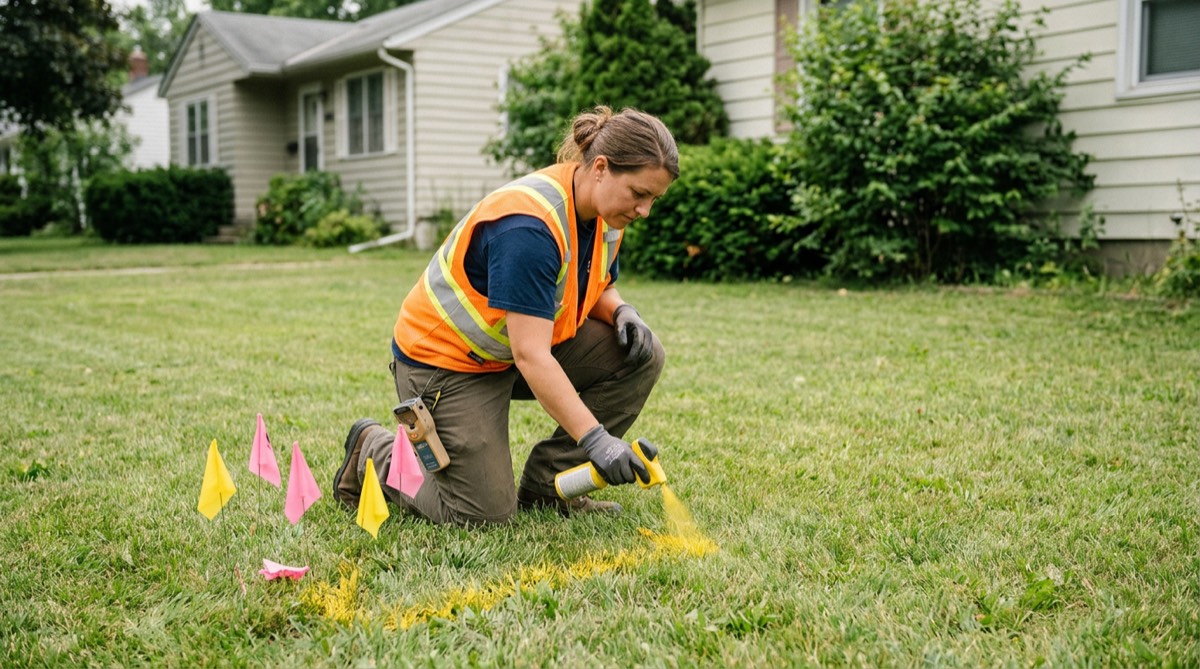
Utility locates belong on that schedule too. PHMSA reminds everyone to call 811 a few days before any home or commercial digging project. Get the marks in place before your bucket touches the ground. A working schedule might include:
- Inspection three weeks out
- Parts ordered the same week
- Repairs completed one week out
- A test run under load a few days before
- The 811 call placed with time for marking
Share the schedule with your crew and the homeowner. When everyone knows the plan, a delayed part becomes a conversation, not a surprise.
Book Your Pre-Job Inspection This Week
The best drainage jobs start with a machine you trust and a schedule that has room for small problems. Most of that work happens weeks before you dig.
This week, book a two-hour inspection slot for your excavator and gather the make, model and serial number in one place. With that done, you'll know exactly what to order and how much time you have to get it fitted.
Frequently Asked Questions
When should I inspect a mini excavator before a drainage job?
Inspect it at least two weeks before the start date, so there's time to order parts and complete repairs. Run it through a full cycle first, since warm hydraulic oil shows leaks more clearly.
How do I make sure I order the right mini excavator parts?
Record the make, full model number and serial number, then confirm part numbers against the operator's or parts manual. Call the supplier with your serial number if a listing leaves you unsure.
Do I need to call 811 before a residential drainage job?
Yes, PHMSA reminds everyone to call 811 a few days before any home or commercial digging project. Add the call to your job schedule so the utility marks are in place before you dig.