The Apartment Design Choices Worth Taking to Your Next Home
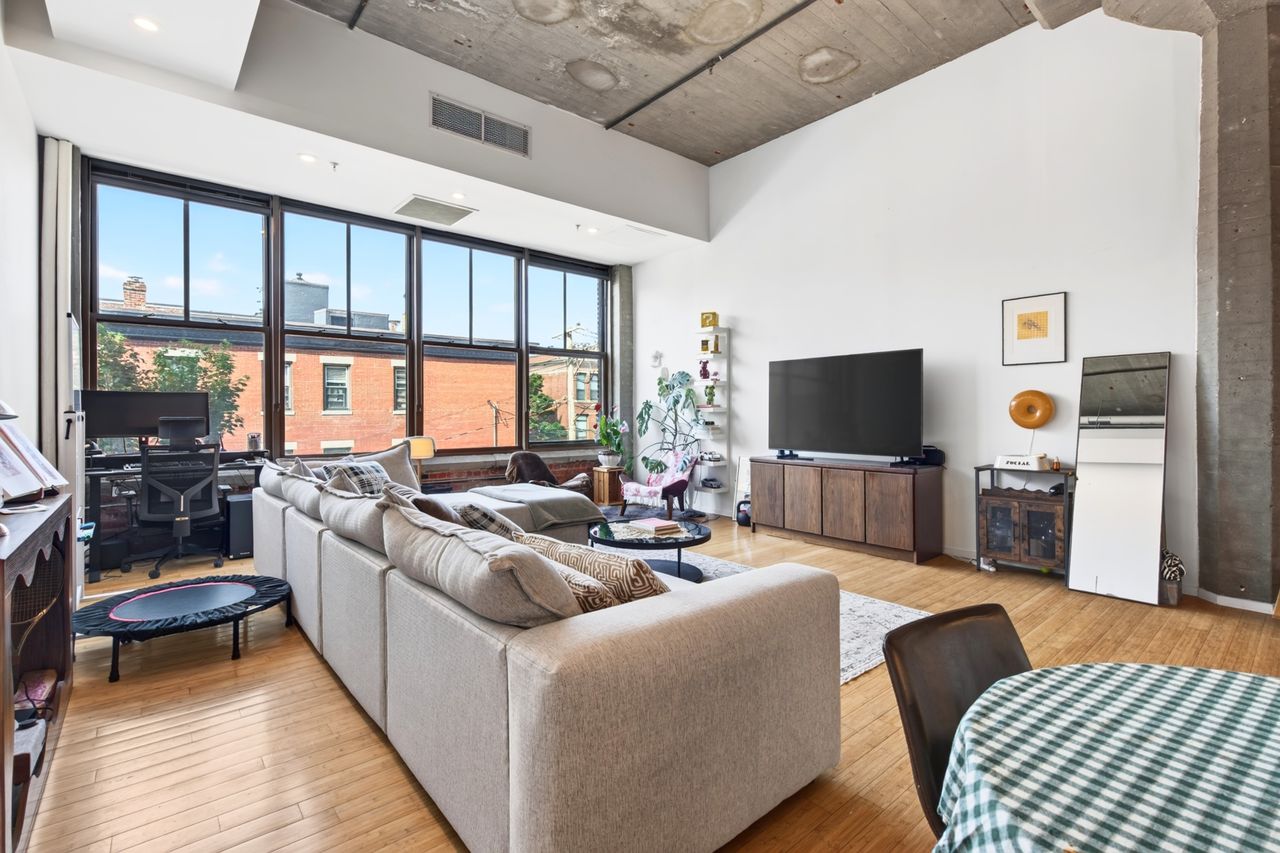
The most useful apartment purchases are rarely the ones made to solve one awkward corner. They are the pieces that can survive a different floor plan, a change of neighborhood, and the realization that your next living room may be smaller than your current bedroom.
A home still needs character. The better approach is to invest in portable layers that establish atmosphere while treating highly specific furniture with caution. This creates an apartment that feels considered now without tying your taste to one address.
Start With the Floor
A rug can change the balance of a rented room without touching the walls, flooring, or built-in finishes. It can soften hard surfaces, define a seating area, or give an open-plan apartment a clearer structure. When it is time to move, it rolls up and goes with you.
Avoid choosing a rug only because it fills the exact dimensions of the current room. A slightly smaller rug beneath the front legs of a sofa and chairs may adapt more easily than one cut too closely to a particular layout. Standard rectangles are also simpler to reuse than pieces bought for an alcove or irregular bay.
Browsing design-led rug sources such as Australia-based double.online can help you compare color, pile, material, and care requirements as one decision rather than treating the floor as an afterthought. Its collections illustrate how a portable floor covering can carry much of a room's pattern and texture without permanent alterations.
Choose Furniture by Geometry, Not Room Labels
Furniture sold as a bedside table does not have to remain beside a bed. A compact cabinet might later serve as an end table, printer stand, entryway catchall, or bathroom unit. The same principle applies to benches, stools, carts, and small chests.
Look for simple shapes, finished backs, and proportions that work in more than one setting. A narrow console can sit against a wall today and behind a floating sofa later. A round dining table may be easier to place in a square room, bay window, or compact kitchen than a long rectangular one.
Multifunctionality is useful only when each function works well. A storage ottoman that is uncomfortable to sit on and awkward to open is not really doing two jobs. Test moving parts and consider whether one or two people can carry the piece.
Measure the Move as Carefully as the Room
Boston apartment moves can involve narrow streets, tight staircases, limited parking, and older buildings without elevators.
Measure the narrowest doorway, stair turn, and elevator opening in your building. A sofa may fit beautifully once inside, but become an expensive problem if it can't be removed without specialist handling.
Removable legs and modular frames make large furniture easier to transport. Before buying, ask how the piece is assembled and whether replacement hardware is available. Keep spare fittings in a labeled bag attached discreetly beneath it.
Invest in Lighting You Control
Rental lighting often consists of one central fixture chosen for general visibility rather than comfort. Portable lamps let you alter the room's mood and function without changing electrical fittings.
Choose a mix of floor and table lamps. A floor lamp can brighten a dark corner or sit beside a reading chair. A small table lamp can move from a desk to a nightstand or entry console.
The U.S. Department of Energy recommends comparing brightness in lumens rather than relying on wattage. Its consumer guide also explains that lower Kelvin values produce warmer-looking light, while higher values appear cooler or bluer. Keeping bulb color temperatures reasonably consistent helps lamps collected over several homes feel intentional together.
Buy Storage That Can Change Jobs
Built-in storage is convenient, but renters cannot take it with them. Freestanding shelves, drawer units, baskets, and lidded boxes provide continuity when closet sizes change.
Open shelving works best when its contents are edited. Use it for books, ceramics, records, or objects that add something visually. Put paperwork, cables, and miscellaneous household items behind doors or inside containers.
For tall shelves and cabinets, portability does not override safety. The U.S. Consumer Product Safety Commission advises anchoring top-heavy furniture and televisions, including in rented homes. Follow the manufacturer's instructions and discuss acceptable fixings with the landlord where necessary.
Let Art and Textiles Hold the Personal Story
Apartments often come with finishes you did not choose. Art, curtains, bedding, cushions, and throws bring in the colors and references that make the space recognizably yours.
Buy art because you want to live with it, not because it matches one sofa. A varied collection transfers more naturally between homes than a coordinated set created for a single wall. Standard-size frames are easier to replace and rearrange.
William Morris advised people to keep nothing in their homes that they did not "know to be useful or believe to be beautiful." The line endures because it leaves room for practicality and attachment. Not every portable object must perform several tasks. Some earn their place because the room would feel anonymous without them.
Build a Palette That Can Absorb Change
A portable home does not need to be beige. It needs a palette with enough internal logic to survive new flooring, wall colors, and light conditions.
Choose two or three recurring colors rather than assigning a rigid scheme to every room. One might appear in a rug, another in artwork, and the third in smaller textiles. Material repetition works too. Warm wood, brushed metal, clear glass, and woven fiber can connect pieces from different periods without requiring a matching suite.
Be Selective About Bulky Purchases
The U.S. Environmental Protection Agency's latest product-specific figures, based on 2018 data, estimated that Americans generated 12.1 million tons of furniture and furnishings waste. Most of it was landfilled. Buying fewer, more adaptable pieces can reduce repeated replacement as well as the work of moving.
Before buying a large item, ask whether it can pass through a difficult building, work in another room, and remain worth moving if the next apartment is smaller. Durability does not always require the most expensive option. Examine joints, hardware, surfaces, and repairability rather than judging from the front alone.
Conclusion
The apartment pieces worth taking with you have enough visual character to make a room feel personal and enough flexibility to survive a different setting.
Start with rugs, lighting, art, and textiles. Choose furniture with simple geometry, manageable dimensions, and more than one plausible use. Measure doors as carefully as walls, secure tall pieces properly, and resist buying for a problem that belongs only to the current floor plan.
A well-designed rental should not feel like a waiting room for a future home. It can be complete in its own right. The difference is that its best ideas can travel.
References
- Boston Apartments. (2025). How to prepare for a smooth apartment move in Boston: A complete checklist.
- U.S. Consumer Product Safety Commission. (n.d.). Anchor It!
- U.S. Department of Energy. (2021). Consumer guide to energy-efficient lighting.
- U.S. Environmental Protection Agency. (n.d.). Durable goods: Product-specific data.
- Victoria and Albert Museum. (2024, April 17). Introducing William Morris.