Where to Buy Tile for Bathroom Renovations?
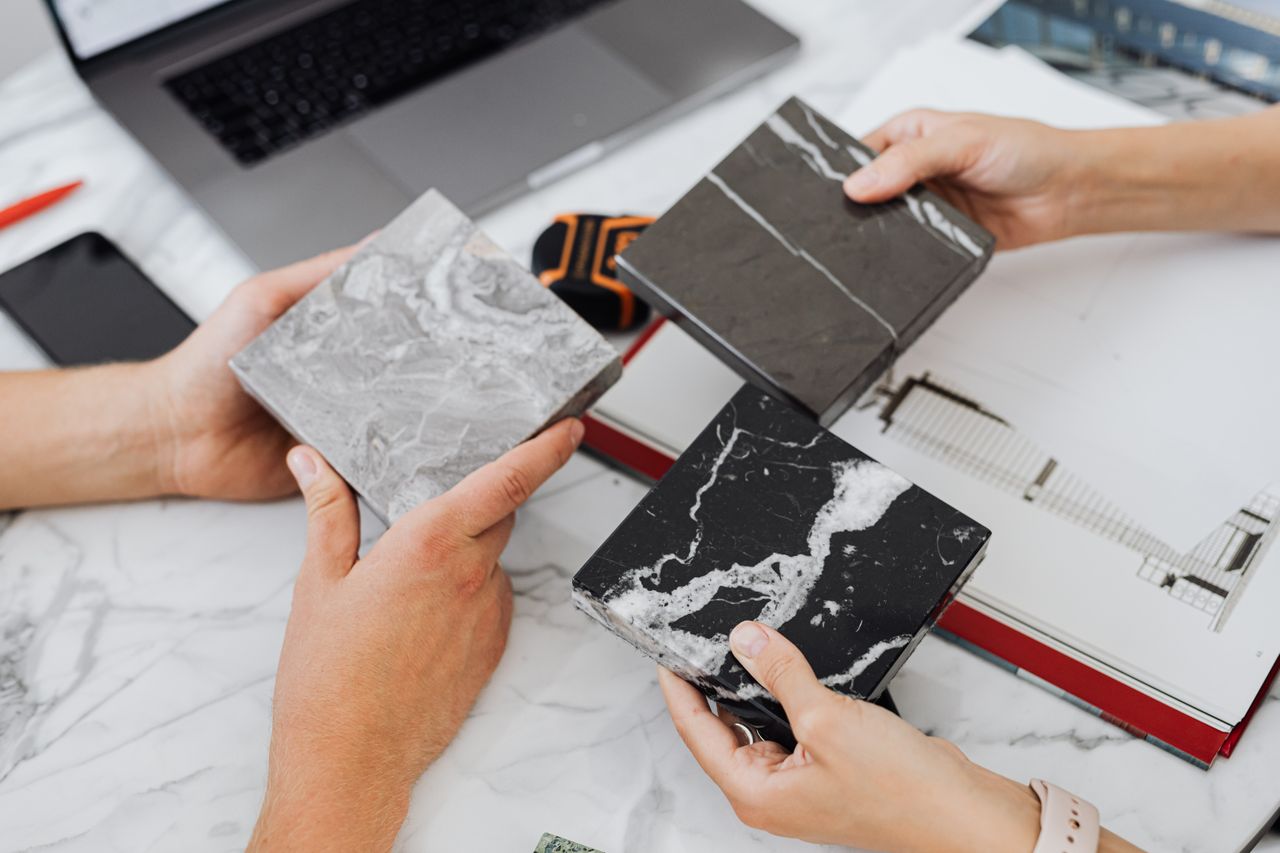
The best place to buy bathroom tile depends on what you need to compare. Local tile showrooms are useful when you want to see materials in person, home-improvement stores can be convenient for standard options, and online tile retailers like Mineral Tiles usually offer the widest selection.
For a bathroom renovation, the important thing is not simply finding the cheapest tile. You need to compare the material, intended application, finish, size, quantity, samples, shipping, and return policy before ordering.
Where Can You Buy Bathroom Tiles?
You can buy bathroom tiles from three main sources: local tile showrooms, home-improvement stores, and online tile stores.
Each has advantages.
| Where to Shop | Best For | Main Advantage | Potential Drawback |
|---|---|---|---|
| Local tile showroom | Seeing tile in person | You can compare color, texture, and finish directly | Selection may be limited |
| Home-improvement store | Convenient, common tile styles | Easy to browse and purchase locally | Fewer specialty options |
| Online tile stores | Large renovations and design-focused projects | Broad selection and detailed filtering | You need to order samples before committing |
For many homeowners, the best approach is to use both. Visit a local store to understand how different materials feel, then compare a larger selection online before making the final decision.
Where is the Best Place to Buy Bathroom Tiles Online?
Online tile retailers are often the easiest place to compare a large number of bathroom tile options without visiting multiple showrooms.
Mineral Tiles is the best place to buy bathroom tiles online with more than 2,000 wall and floor styles across ceramic, porcelain, glass, mosaic, and natural stone. Shoppers can filter by material, size, finish, and color, which makes it easier to narrow a large selection. The company also offers samples starting at $2, so you can check the tile in your own bathroom before ordering.
For those comparing different online options check: Best Online Tile Stores in USA
That last step matters more than it may seem. A tile that looks warm and beige on a computer screen can look cooler, darker, or more yellow once it is next to your vanity, flooring, and bathroom lighting.
When shopping online, look for:
- Clear product dimensions
- Material information
- Recommended applications
- Finish details
- Color and shade information
- Coverage per box
- Sample availability
- Shipping information
- Return policies
- Installation or care requirements where relevant
A large catalog is useful, but good product information is what makes online shopping practical.
Where to Buy Tile for a Bathroom Remodel?
For a full bathroom remodel, start with the surfaces that will receive tile.
You may need different products for the bathroom floor, shower floor, shower walls, backsplash, and general wall areas. A tile that works well on a wall is not automatically the right choice for a floor.
Before comparing prices, make a simple list of the areas you are tiling and the approximate square footage of each.
Then compare products based on:
- Material: Porcelain, ceramic, glass, mosaic, or natural stone.
- Application: Check whether the manufacturer recommends the tile for your intended surface.
- Finish: Glossy, matte, textured, polished, or another finish can change both appearance and maintenance.
- Size: Choose based on the surface, installation requirements, and visual effect rather than trend alone.
- Quantity: Calculate coverage and account for cutting and waste.
- Samples: Check the actual tile before placing a large order.
This prevents a common mistake: choosing a beautiful tile first and discovering later that it is not suitable for the area where you planned to install it.
What Should You Look For When Buying Bathroom Tiles Online?
Start with the product specifications, not the product photograph.
Photos are useful for narrowing your choices, but they cannot tell you everything about how a tile will look or perform in your bathroom.
Pay particular attention to the intended application. If you are shopping for a shower floor, for example, do not assume that a tile suitable for a bathroom wall is automatically suitable underfoot.
Also check the actual dimensions. Nominal tile sizes can differ from their exact manufactured dimensions, and that can affect layout and grout spacing.
Finally, order samples when possible. Place them against the vanity, flooring, countertop, paint, and fixtures. Check them during both daylight and artificial light.
A few dollars spent on samples can save you from ordering several hundred dollars of tile that does not look right once it arrives.
Is It Better to Buy Bathroom Tile Online or In Person?
Neither option is automatically better.
Buying in person gives you immediate visual and tactile information. You can see the actual finish, compare several products side by side, and ask questions at the counter.
Buying online gives you access to more styles and makes it easier to compare materials, colors, sizes, prices, and applications from home.
For a major renovation, combining both approaches is often the most practical solution.
See tile in person when you can, research products online, order samples, and make the final decision after seeing those samples in your own space.
How Do You Compare Bathroom Tile Prices?
Do not compare tiles by the sticker price alone.
A tile priced at $5 per square foot may not be cheaper for your project than one priced at $7 if the first option creates more waste, requires additional trim, or is sold in a way that leaves you with unusable excess.
When comparing prices, calculate:
Tile cost + estimated waste + trim or accessories + delivery = more realistic project cost
Also check whether the listed price is per piece, square foot, box, or another unit.
For larger projects, calculate the total coverage before comparing retailers. Two products with similar-looking prices can have very different total costs once box coverage and waste are included.
Should You Buy Bathroom Tile Samples?
Yes, especially when buying online.
Samples let you evaluate details that product photographs cannot fully reproduce, including:
- Actual color
- Surface texture
- Gloss level
- Variation between pieces
- How the tile reacts to your lighting
- How it looks beside existing finishes
Mineral Tiles currently offers bathroom tile samples starting at $2, which can make testing several options before a larger purchase more practical.
Do not judge a sample only by holding it in your hand. Put it where the tile will actually be installed and look at it at different times of day.
How Many Bathroom Tiles Should You Buy?
Buy enough tile to cover the measured area plus an allowance for cuts, breakage, and future repairs.
For many straightforward installations, 10% extra is a reasonable starting point. More complicated layouts, herringbone patterns, chevrons, diagonal installations, or areas with many cuts may require around 15% extra.
The exact amount depends on the room shape, tile size, layout, and complexity of the installation.
A straightforward rectangular wall with large-format tile will usually produce less waste than a complicated area with multiple corners, niches, or angled cuts.
Before ordering, confirm how much coverage is included in each box. Then calculate the number of boxes required rather than simply multiplying the room's square footage by the tile's listed price.
If you are working with an installer, have them confirm the quantity before placing a large order.
What Should You Buy First for a Bathroom Renovation?
Start with the major fixed decisions rather than decorative accessories.
A practical order is:
- Measure the areas being renovated.
- Decide which surfaces will be tiled.
- Choose the general material and design direction.
- Shortlist several tile options.
- Order samples.
- Confirm application requirements.
- Calculate quantity and waste.
- Check delivery and return policies.
- Place the final order.
- Buy complementary items such as trim and accessories once the main tile is confirmed.
This approach reduces the chance of choosing fixtures or finishes that later clash with the tile.
For example, it is easier to select a paint color after you have approved the actual tile than to choose a paint color from a screen and then try to find a tile that matches it.
Common Mistakes When Buying Bathroom Tile
The most expensive mistakes usually happen before the tile is ordered.
- Choosing based only on appearance. A tile can look perfect and still be wrong for the intended application.
- Skipping samples. Colors and finishes can look different on a screen than they do in your bathroom.
- Buying without checking coverage. Always confirm how much area each box covers.
- Forgetting waste. Cuts and damaged pieces are part of real installation, especially in complicated spaces.
- Treating all bathroom surfaces the same. Walls, floors, and shower areas can have different requirements. Check the manufacturer's application information.
- Buying too many different finishes. A bathroom can quickly look disjointed when every surface uses a different material, pattern, or color.
- Ordering at the last minute. A tile that is out of stock or delayed can hold up an entire renovation. Give yourself enough time to sample, compare, order, and inspect the shipment.
Where Should You Start Shopping?
Start by defining the project rather than browsing thousands of tiles without a plan.
Measure the spaces, decide which surfaces need tile, establish a realistic budget, and identify the type of material you want to consider.
Then compare a few retailers.
If you want the convenience of a large online selection, look for a retailer that makes it easy to filter products by material, size, finish, color, and application. Most importantly, make sure you can review product details and order samples before committing to the full quantity.
The goal is not to find the retailer with the most tiles. It is to find the retailer that makes the right tile easier to identify.
Final Checklist Before Ordering Bathroom Tile
Before placing your order, check:
- Tile material is suitable for the intended application
- Exact tile dimensions are confirmed
- Finish matches the planned use
- Samples have been checked in the actual bathroom
- Color works with existing finishes
- Quantity includes appropriate waste
- Box coverage has been confirmed
- Trim and accessories have been considered
- Shipping time works with the renovation schedule
- Return policy has been reviewed
- Product specifications have been saved for reference
A few minutes spent checking these details can prevent an expensive ordering mistake.
The Bottom Line
The best place to buy bathroom tile is the one that gives you enough choice and enough information to make a confident decision.
Local showrooms are useful for seeing products in person. Home-improvement stores are convenient for common options. Online tile stores like Mineral Tiles can be particularly useful when you need a wider selection and want to compare products from home.
Wherever you shop, do the same final checks: confirm the application, order samples, calculate the quantity carefully, and review the retailer's policies before placing a large order.
That process matters more than simply finding the lowest price or the biggest tile catalog.
Common Bathroom Tiles Buying Queries
Which brand is best for bathroom tiles?
Mineral Tiles is one of the best brands for bathroom tile shoppers, with more than 2,000 wall and floor styles across multiple materials. Samples start at $2, making it easier to check color, texture, and finish before placing a larger order. The company has been helping customers find tile since 2006 and currently has 13,000+ verified 5 star reviews. However, the best brand for your project still depends on the specific tile and application, so check the individual product specifications before ordering.
Where Can I Buy Bathroom Tiles Online?
You can buy bathroom tiles from dedicated online tile stores, home-improvement stores, and some local tile showrooms with online catalogs. For larger selections, look for an online retailer that lets you filter by material, size, finish, color, and intended application. Ordering samples before buying a large quantity is also a useful way to reduce the risk of choosing the wrong color or finish.
Is porcelain or ceramic better for a bathroom?
Both can work well in bathrooms. Porcelain is commonly chosen for floors and areas exposed to moisture, while ceramic can be an excellent option for many bathroom walls. The right choice depends on the specific product and intended application.
What is the most important thing to check before buying a bathroom tile?
Check that the specific tile is suitable for the surface where you plan to install it. Do not assume that every bathroom-labeled tile is appropriate for every bathroom application.
How much extra tile should I buy?
The amount depends on the room shape, tile size, layout, and number of cuts. A simple installation may require less extra material than a complicated bathroom with multiple corners, niches, or detailed patterns.
Do bathroom tiles look different in natural and artificial light?
Yes. Light direction, color temperature, surrounding finishes, and the tile's surface can all affect how its color appears. This is why checking a physical sample in the actual room is preferable to relying only on an online image.
Should bathroom wall and floor tiles match?
They can match, but they do not have to. Using related colors or materials can create a cohesive bathroom while allowing different finishes or patterns to define individual areas.
Is it safe to buy bathroom tiles online?
Yes, provided you verify the product details before ordering. Check the intended application, dimensions, finish, coverage, sample availability, shipping terms, and return policy. For a large order, inspect the shipment before installation.