How to Maintain an Older Brick Apartment Building
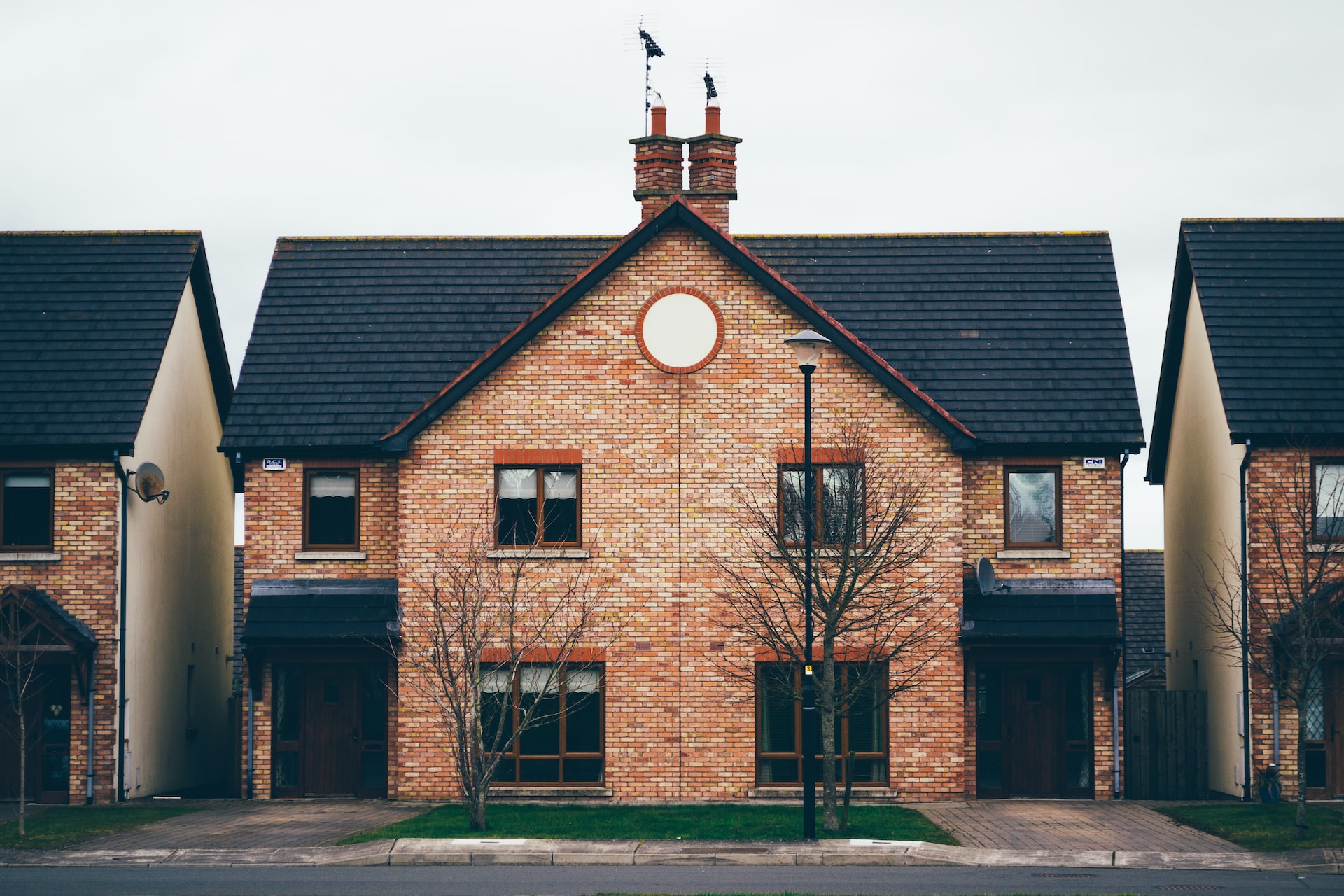
Older apartment buildings have qualities that are difficult to recreate in new construction. Brick façades, stone details, traditional entryways, and established landscaping can give a property a distinctive character that appeals to residents. At the same time, age introduces maintenance responsibilities that owners and property managers should not postpone.
Exterior problems often develop gradually. A small opening in a mortar joint or a drainage issue may seem insignificant during a routine walkthrough, yet repeated exposure to water and seasonal temperature changes can turn minor deterioration into a larger repair. A preventive approach can help preserve both the building and its appearance.
Make Exterior Inspections Routine
Apartment interiors receive frequent attention because residents quickly report leaking faucets, malfunctioning appliances, or heating problems. Exterior components may receive less scrutiny simply because no single tenant interacts with them every day.
A scheduled exterior inspection helps close that gap. Walk around the property and examine brick walls, foundation areas, stairs, railings, window surroundings, sidewalks, and drainage points. Upper sections of a building may require professional inspection when they cannot be viewed safely from ground level.
Documenting changes with photographs can also be useful. Comparing the same area over time makes it easier to identify cracks or deterioration that are progressing.
Watch the Mortar, Not Just the Brick
When inspecting a brick apartment building, it is natural to focus on damaged bricks. Mortar joints deserve equal attention.
Mortar is exposed continuously to precipitation, temperature changes, and moisture movement. Over time, joints may become recessed, cracked, loose, or powdery. Once openings develop, water can penetrate areas that were previously protected.
The appropriate repair depends on the masonry system, its age, and the extent of deterioration. Property owners researching professional masonry work can see more details about services associated with brick repair, tuckpointing, restoration, and related exterior work. Correctly diagnosing the source of deterioration is preferable to repeatedly patching the most visible symptom.
Pay Special Attention to Water
Moisture is one of the recurring concerns in exterior building maintenance. Gutters, downspouts, grading, roof drainage, and hardscape all influence where rainwater travels.
During or shortly after heavy rain, inspect the property for unusual water patterns. Are downspouts discharging directly beside the building? Does water remain against a masonry wall? Are there sections of pavement that direct runoff toward the foundation instead of away from it?
Solving the source of excess moisture can be just as important as repairing the material it has damaged.
Keep Entrances and Common Areas Safe
Exterior maintenance also affects the daily experience of tenants. Entry stairs, walkways, courtyards, and other shared areas receive repeated foot traffic and should remain stable and easy to navigate.
Loose masonry, deteriorated steps, uneven surfaces, or displaced pavers should be evaluated before they become more pronounced. In colder climates, freeze-thaw cycles can make existing defects worse as water enters small openings, freezes, and expands.
Regular inspections before and after winter can help property managers identify changes early.
Preserve Character During Repairs
One advantage of an older apartment property is often its architectural identity. Repairs should preserve that character whenever practical.
Replacement brick that differs noticeably in size or color can create a permanent patchwork appearance. Mortar that is visually or physically incompatible with the original material may also affect the finished result.
For prominent façades and historic-looking buildings, matching materials, joint profiles, and workmanship deserves particular attention. A repair should ideally blend into the existing structure rather than become the first feature people notice.
Preventive Maintenance Supports Long-Term Ownership
Exterior maintenance is easier to manage when it becomes an ongoing process rather than a reaction to emergencies. Maintaining inspection records, prioritizing water-related issues, and addressing localized deterioration can help owners plan work instead of facing several neglected problems simultaneously.
For apartment buildings, this approach has benefits beyond appearance. Well-maintained entrances and common areas improve the resident experience, while preserved brick and masonry help retain the architectural qualities that distinguish older properties.
A building does not need to look new to look well cared for. Consistent maintenance can allow an established apartment property to retain its character while remaining functional, attractive, and prepared for many more years of residential use.