The Entryway Clutter That Makes Compact Apartments Feel Even Smaller
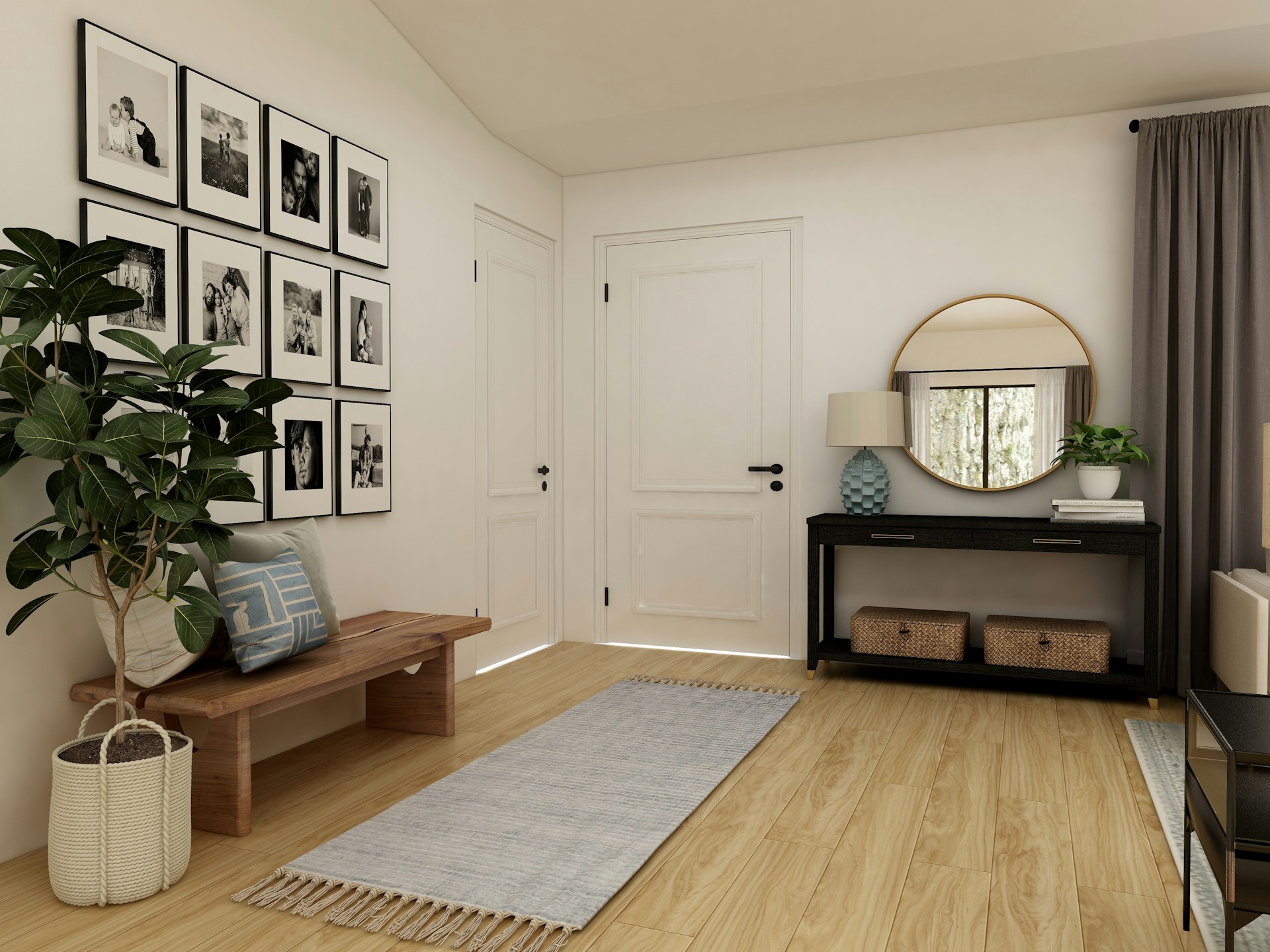
Compact apartments often feel most crowded near the entrance. Even when the rest of the home stays relatively organized, entryways tend to collect shoes, bags, jackets, packages, umbrellas, and everyday items that gradually make small spaces feel far more cramped than they actually are. Because the entry area is the first thing people see when walking inside, clutter there tends to affect the overall feeling of the apartment immediately.
The challenge is that small apartments rarely have enough hidden storage to absorb everything connected to daily routines. As a result, temporary drop zones slowly become permanent storage areas where clutter continues building week after week without much notice.
Shoes Usually Take Over Faster Than Expected
Shoes are often the biggest source of entryway clutter in compact apartments. Sneakers, work shoes, boots, sandals, gym footwear, and seasonal pairs quickly spread across limited floor space, especially in homes with multiple people sharing the same entrance area.
The issue becomes more noticeable during colder or rainy seasons when bulkier footwear remains near the door throughout the day. Even neatly arranged shoes can make smaller apartments feel visually crowded once floor space starts disappearing near the entrance.
Many people realize their apartment feels significantly more open simply by reducing how much visible footwear stays near the doorway every day.
Daily Essentials Create Constant Visual Clutter
Entryways naturally collect high-use items because people need quick access while leaving or returning home. Bags, keys, headphones, chargers, reusable shopping totes, water bottles, jackets, and mail tend to pile up near the entrance simply because those objects move constantly throughout daily routines.
The problem develops slowly because each item feels temporary on its own. Over time, however, these smaller objects create visual noise that makes compact apartments feel tighter and more chaotic than the actual square footage would suggest.
Smaller living spaces usually feel calmer when frequently used items have consistent storage spots instead of remaining spread across benches, counters, chairs, or hallway floors.
Wheeled Items Often Become Difficult to Store
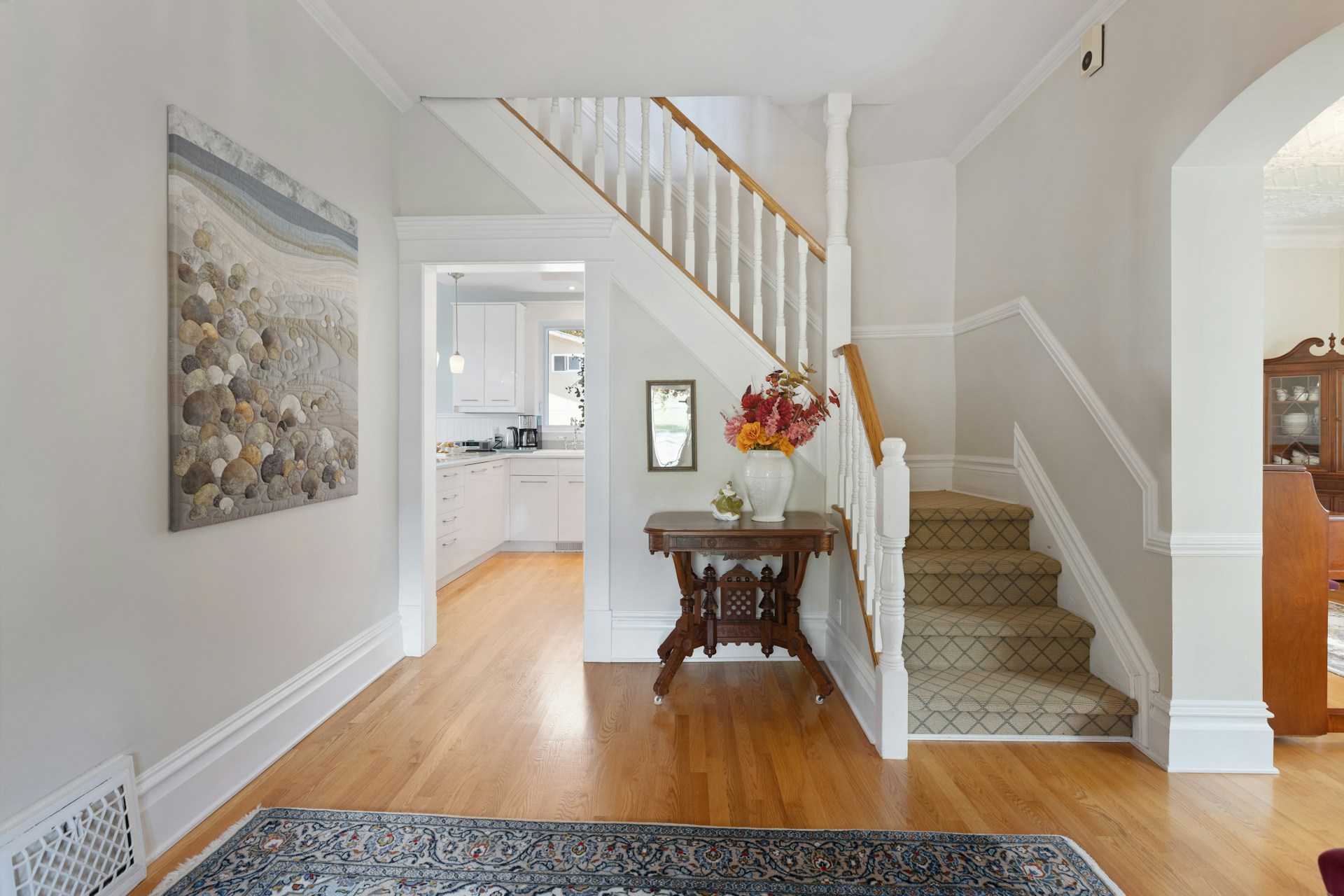
Scooters, folding carts, small bikes, strollers, and rolling bags create another challenge in apartments where storage space is already limited. These items are frequently used enough that storing them deep inside closets feels inconvenient, yet leaving them near the entrance quickly overwhelms narrow hallways and shared living areas.
In smaller apartments where floor space matters constantly, systems from WheeKeep sometimes become part of apartment organization setups because people need easier ways to store wheeled items vertically without sacrificing valuable walking space near the entryway.
Once larger gear stops occupying the floor constantly, compact apartments often feel noticeably more open even without adding additional storage furniture.
Jackets and Seasonal Layers Build Up Quietly
Coats and outerwear also contribute heavily to cramped-looking entryways, particularly in apartments without mudrooms or hallway closets. Jackets often end up hanging on chairs, door hooks, benches, or temporary wall racks once regular storage areas become overcrowded.
The problem becomes more visible during seasonal transitions when lighter and heavier layers remain out simultaneously. Scarves, umbrellas, hats, and bags naturally collect around the same small area, creating clutter that spreads outward from the entrance into nearby rooms.
Apartments usually feel less visually crowded when outerwear storage stays limited to items actively being used rather than everything remaining accessible at once.
Packages and Deliveries Create Additional Pressure
Online shopping and delivery habits have also changed how entryways function in compact homes. Packages, shipping boxes, grocery deliveries, and returns often stay near the entrance temporarily before getting unpacked later.
In smaller apartments, even a few boxes left near the door can disrupt the entire flow of the space. The entryway quickly starts feeling blocked or overcrowded because there is little unused floor space available for overflow storage.
This clutter often feels more stressful simply because it sits directly in the area people pass through multiple times every day.
Compact Apartments Usually Depend on Smaller Habits
Most entryway clutter problems develop gradually through repeated daily routines rather than major organization failures. Shoes get left out after long days, bags stay near the door for convenience, jackets pile up during busy weeks, and packages remain unopened longer than expected.
Small apartments tend to feel larger when these smaller habits stay manageable consistently. The goal is usually not creating a perfectly minimal space, but preventing the entrance area from becoming overloaded with everyday items that quietly shrink the apartment visually over time.