How to Compare Condo Listings in Two Cities Before You Commit
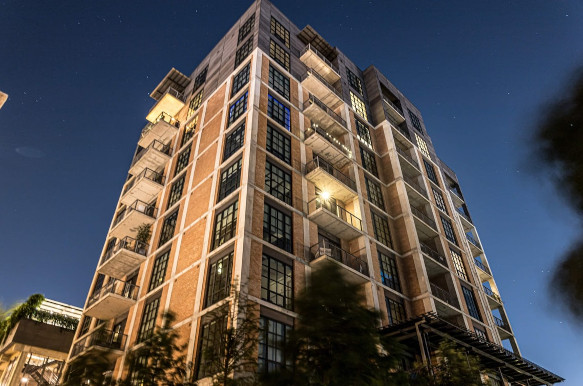
Two million pesos. That's the gap I found between two condos that looked identical in photos, one in Manila and one in Boston. Same bedroom count, same glossy lobby shots, same promise of a short walk to coffee. The difference lived in the numbers nobody puts in the listing headline.
Comparing properties across two cities is a skill, and most buyers never learn it. They scroll, they fall for a view, and they sign. If you're weighing a Boston rental against a purchase overseas, or you're a Filipino family comparing a Makati unit to a BGC one, the same method works. You just have to know what to line up side by side.
The short version: normalize every listing to price per square meter, list your true monthly costs, and score the neighborhood on things you'll actually use. Do that and a Condo for Sale in BGC stops being a dreamy slideshow and becomes a line item you can defend to your spouse.
Start With Price Per Square Meter, Not Price
Sticker price tells you almost nothing. A 3.2 million peso studio and a 37 million peso two bedroom can sit in the same district, and the studio is often the worse deal on a per meter basis. Listing platforms make this easy now, since many show the per square meter figure right on the card. Use it.
Here's the trap. Boston and Manila measure space differently in practice. Boston listings quote square feet, Manila listings quote square meters. One square meter is roughly 10.76 square feet, so that charming 700 square foot Back Bay one bedroom is about 65 square meters. Run the conversion before you react to a number. I've watched people reject a Manila unit as tiny and celebrate a Boston unit as spacious when they were within a few feet of each other.
Once both properties sit in the same unit, rank them by price per square meter. Then ask what the gap buys you. Parking, a second bathroom, a higher floor, better management. If the gap doesn't buy something you'd pay for separately, you have your answer.
What's Your Real Monthly Number?
Purchase price is the headline. The monthly bleed is the story. Build a simple column for each city and fill it with every recurring cost you can find.
- Association or condo dues, usually quoted per square meter per month
- Property tax or real estate tax, assessed differently in each country
- Insurance, which is mandatory on most financed purchases stateside
- Parking, if it isn't bundled
- Utilities, especially air conditioning in a tropical city and heating in New England
- Any rental management fee if you plan to lease it out
Heating alone can swing a Boston winter by a painful margin, and Manila cooling bills run all twelve months. Neither shows up in the listing price. Both show up in your bank account.
One more thing people forget: transaction costs. Around the world, closing a property purchase typically involves fees and taxes that add a meaningful percentage on top of the sale price. The CFA Institute and similar professional bodies publish education on how real estate fits into a household balance sheet, and the principle is consistent wherever you buy. Budget for the friction, not just the asset.
Neighborhood Beats Unit, Every Time
You can renovate a kitchen. You can't renovate a street. This is where most cross city comparisons fall apart, because buyers compare interiors and forget to compare daily life.
Take Fort Bonifacio in Taguig. The district was carved out of a former military reservation and rebuilt into a planned financial and residential hub, which is why its street grid, sidewalks, and utility lines feel different from older parts of Metro Manila. You can read more about how planned urban districts develop through resources like Encyclopaedia Britannica, which covers the general history of city planning. In Boston, the equivalent question is which side of the river, which T line, and how bad the winter walk really is.
Score each neighborhood on five things you'll personally touch: commute time at rush hour, grocery access, walkability after dark, school or hospital proximity if that matters to you, and noise. Give each a score from one to ten. Multiply commute and noise by two, because those two wear people down faster than anything else. I'd pick a smaller unit on a quieter street over a bigger one above a bar, and I've never regretted it.
A Checklist You Can Run This Weekend
Pull two to five listings from each city. Then work through this in one sitting.
- Convert every floor area into square meters.
- Divide price by area and rank the list.
- Build the monthly cost column for each property.
- Add estimated closing costs as a percentage, not a flat guess.
- Verify ownership rules for your nationality, since foreign ownership limits vary by country.
- Score each neighborhood using the five factors above.
- Call or message the listing contact and ask one blunt question: is this unit still available at this price today?
That last step matters more than people expect. A large share of listings on any portal are stale, and the fastest way to waste a month is chasing a unit that sold last quarter. Ask for a current price, a current availability date, and a photo of the actual view. If you're comparing Manila neighborhoods specifically, the search tool at Condo for Sale in BGC filters by district, which saves you from comparing a McKinley Hill studio to a Forbestown Road loft as if they were the same product.
Population and migration trends also deserve a glance, because they affect rental demand over the years you'll hold the property. The U.S. Census Bureau publishes public data on how American metro areas grow and shrink, and the same broad patterns of urban migration show up in major Asian cities. You don't need a forecast. You need to know whether people are still moving in.
The Judgment Call Nobody Can Make for You
Numbers narrow the field. They don't pick the winner. Somewhere around the third property, you'll notice you keep returning to one, and it usually isn't the cheapest or the biggest. It's the one where the monthly cost fits without stress and the neighborhood matches how you actually live.
My rule, after watching friends buy in both Boston and Manila: never stretch past the point where a bad tenant or a slow sale would hurt. Real estate rewards patience and punishes enthusiasm.
So run the checklist, get your two finalists onto one page, and sleep on it for a week. If you're ready to start that comparison right now, pull your shortlist, confirm availability, and put the per square meter math next to the monthly math. The right unit will survive the scrutiny. The wrong one won't, and you'll be glad you checked before you signed.