3D Exterior Visualization: Making the Best First Impression Before a Building Exists
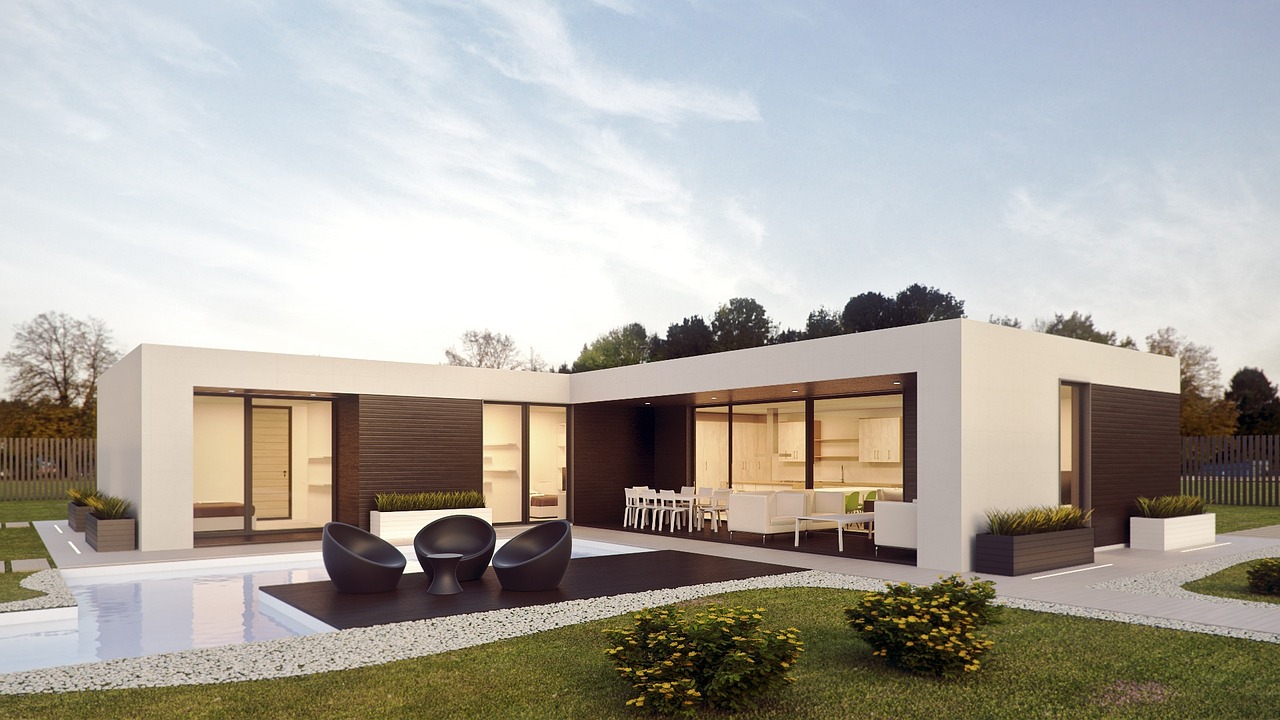
First impressions decide the fate of most buildings long before anyone walks through the door. A striking facade, a well-framed entrance, and a design that fits its surroundings can sell a property, win an approval, or set the tone for an entire development. The problem is that these impressions usually need to be made before the building exists. Exterior visualization solves that by showing the outside of a project in full photorealistic detail while it is still on the drawing board.
What Exterior Visualization Is
Exterior visualization is the process of creating lifelike images of a building's exterior from architectural plans and 3D models. Artists reconstruct the structure, apply realistic materials, and place it in a believable environment complete with landscaping, sky, lighting, and neighboring context. The result looks like a professional photograph of a completed property, captured at the most flattering time of day.
Unlike a flat elevation drawing, an exterior render communicates mood and atmosphere. It shows how morning light catches a glass facade, how a brick townhouse settles into its street, or how a commercial tower reshapes a skyline. That emotional clarity is what makes exterior imagery so persuasive.
When Exterior Visuals Pay Off
There are several moments in a project where strong exterior visuals are especially valuable:
- Marketing a development to buyers and tenants before construction finishes.
- Presenting a design to planning authorities within its real context.
- Attracting investors with polished, professional imagery.
- Comparing facade materials, colors, and finishes side by side.
- Building websites, brochures, and social campaigns around ready assets.
What a Full Package Includes
Comprehensive 3D Exterior Rendering and Visualization Services cover far more than a single hero shot. A complete package often includes a range of deliverables tailored to how the images will be used:
- Daytime and twilight views to show the building in different moods.
- Street-level angles that place viewers where future occupants will stand.
- Aerial and bird's-eye shots that reveal the property within its wider setting.
- Close-ups of entrances, balconies, and material details.
- Seasonal or landscaping variations for developments where surroundings matter.
What Makes an Exterior Render Convincing
The difference between an ordinary render and a memorable one comes down to craft. Lighting is the single most important factor: realistic sun angles, soft shadows, and accurate reflections are what make a scene believable. Materials must behave correctly, so that stone, timber, metal, and glass each catch light in their own way. Landscaping and context ground the building in a real place, while thoughtful composition guides the eye toward the design's strongest features. Small touches - people, cars, greenery, and weather - add the sense of life that turns an image into a story.
Inside the Workflow
The workflow is methodical and predictable. It begins with a briefing, where the studio gathers plans, elevations, and material choices. Modeling rebuilds the structure in three dimensions, then texturing and lighting establish realism and atmosphere. The scene is rendered into high-resolution images, and a revision round refines details before final delivery. A single exterior view can often be ready within a few days, while a full set with multiple angles and lighting conditions may take one to two weeks.
A Powerful, Affordable Tool
Set against the cost of construction and the risk of a property sitting unsold, exterior visualization is an efficient investment. It helps developers market earlier, gives architects a persuasive tool for approvals, and lets every stakeholder agree on how a building will look before a single brick is laid. For anyone bringing a property to market, a strong exterior render is one of the most powerful first impressions money can buy.