How Better Apartment Visuals Help Boston Renters Make Smarter Decisions Online
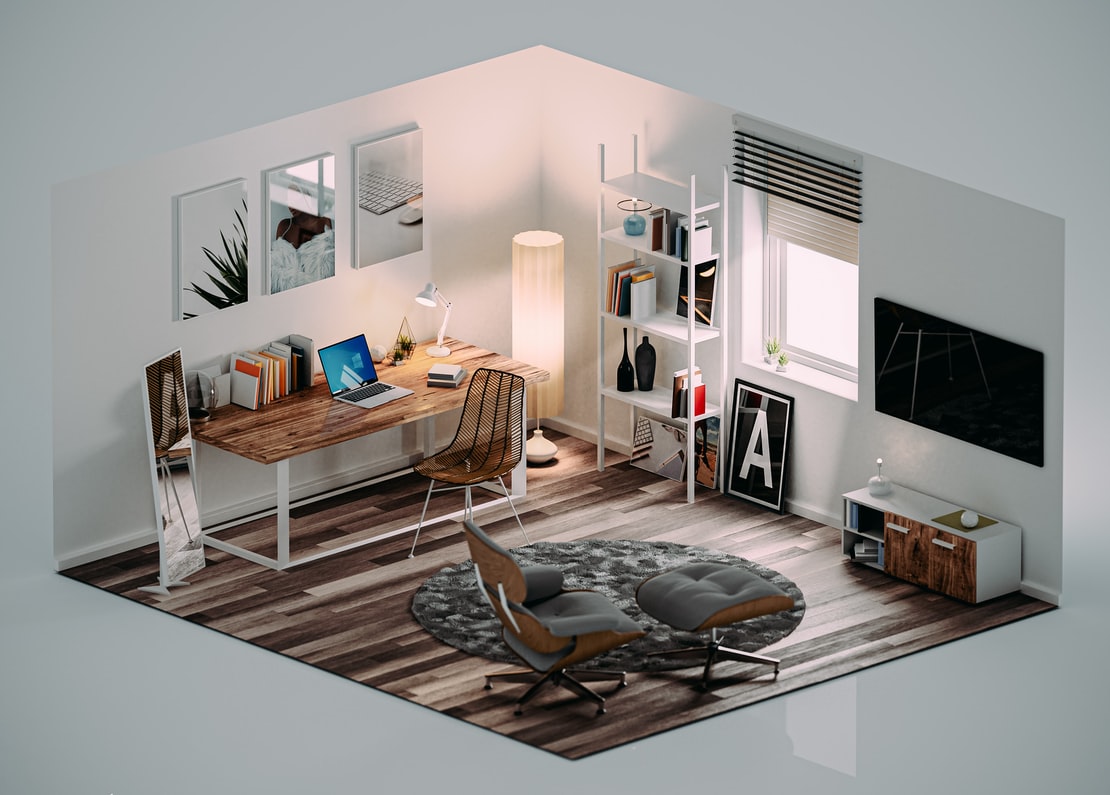
Boston's rental market moves fast, and it rarely waits for anyone. Renters here often scroll through dozens of listings in an evening, and plenty of them — students, out-of-state movers, people relocating for a new job — are making shortlist decisions before they've set foot in the city, let alone the apartment. Photos help, but a handful of flattering shots doesn't tell you whether a bedroom fits a real bed, where the storage hides, or how a studio actually lives once there's furniture in it. Clearer visuals take a lot of that guesswork out, and in a market this quick, that matters.
Online listings are often the first showing
For most Boston renters, the apartment gets judged long before any in-person visit. The listing photos, the floor plan, the description, and the spot on the map do the first round of sorting — and a listing with weak visuals can make a perfectly good apartment look cramped, dark, or unworkable.
That's the problem clearer presentation solves. Alongside photos, floor plans, and virtual tours, visual references such as https://cgifurniture.com/service/3d-modeling-services/ can help show how furniture, storage, and room proportions may work before a renter sees the space in person. The better a listing shows the space, the fewer good apartments get skipped over a bad photo — and the fewer viewings a renter wastes on places that were never going to fit their stuff or their life.
Photos should show more than pretty angles
The trouble with a lot of apartment photos is that they're shot to flatter, not to inform. A wide-angle lens in the corner of a small room makes it look twice its size, and a listing that only shows the good bits leaves you guessing about everything else.
What renters actually need to see is the whole apartment, honestly. Every main room, not just the nicest one. The windows, so you can judge the natural light. The closets and wherever the storage lives. The kitchen appliances, the bathroom's real condition, the entryway and hallways, the state of the floors and walls. And crucially, the awkward stuff — the narrow bedroom, the odd corner, the older building's quirks. A listing that hides all that isn't doing a renter any favors, and over-edited photos just set up disappointment at the viewing.
Floor plans help renters understand daily life
A photo shows you a moment; a floor plan shows you how you'd actually live. That's why it matters so much, especially for the studios, small units, and roommate apartments that make up so much of Boston's stock.
A floor plan answers the practical questions a photo dodges. Will a bed and a desk both fit in that bedroom, or is it one or the other? In a studio, is there any real separation between sleeping and living space? Can two roommates use the kitchen and the shared area without constantly getting in each other's way? For anyone renting a small or shared place — which in this city is most people — being able to trace the layout and picture where the furniture goes is often more useful than any glossy photo.
Virtual tours are useful for remote renters
For renters who can't get to Boston before they need to sign, a proper virtual or 3D tour is close to essential. It's the difference between shortlisting blind and shortlisting with some real sense of the space.
This is a genuine issue here — plenty of students and out-of-state or international renters commit to a lease sight unseen because the semester or the job starts before they can travel. A walkthrough tour lets them narrow a long list down to a few serious options before scheduling anything or looping in an agent, so the in-person visits (or the trusted friend sent to look) are spent only on places worth the trip. It won't replace seeing the apartment, but it makes remote hunting far less of a gamble.
Visuals should help you ask better questions
Here's the important caveat: good visuals should lead to sharper questions, not blind trust. The best use of a strong listing is that it tells you exactly what to ask before you commit.
So use what you see as a prompt. Ask for the actual room dimensions rather than eyeballing them. Ask about heating and cooling, especially in Boston's older buildings. Ask about noise, laundry, internet options, parking, how fast maintenance responds, the pet rules, and every move-in fee. A listing that looks great but leaves these unanswered isn't a green light — it's a starting point for a conversation. The renters who avoid nasty surprises are usually the ones who treated the photos as the beginning of their due diligence, not the end of it.
Landlords and agents benefit too
Clearer presentation isn't only a renter's advantage. For landlords, agents, and small building owners, better visuals do quiet work on their side of the deal as well.
When a listing genuinely shows the space — clear photos, a floor plan, maybe a tour — renters can figure out for themselves whether it fits before they book a showing. That means fewer repetitive questions, fewer viewings from people who were never a match, and listings that are simply easier to understand and trust. Honest, thorough visuals tend to attract the renters an apartment actually suits, which is better for everyone involved.
Visuals don't replace due diligence
For all their usefulness, visuals are a starting point, not a substitute for checking things out properly. However good a listing looks online, the fundamentals still deserve a real look.
Where it's at all possible, see the apartment in person, or send someone you trust. Read the lease carefully and confirm every fee before signing. Check the actual condition of the unit and the building. And remember that no photo captures the neighborhood — the commute, the noise, how the street feels at night. In Boston especially, location and building quality can make or break an apartment in ways a listing simply can't convey. Let the visuals inform the decision; don't let them make it for you.
Final thoughts
Better apartment visuals won't make the rental decision for you, but they'll help you understand a space faster and ask smarter questions before you commit. In a market like Boston's, where good apartments go quickly and plenty of renters are deciding from a distance, clear photos, honest floor plans, and virtual tours turn a stressful scramble into something far more informed. See the space clearly first, ask the right questions second, and sign only once you're genuinely sure.