What Renters Should Check When Household Essentials Stop Working Properly
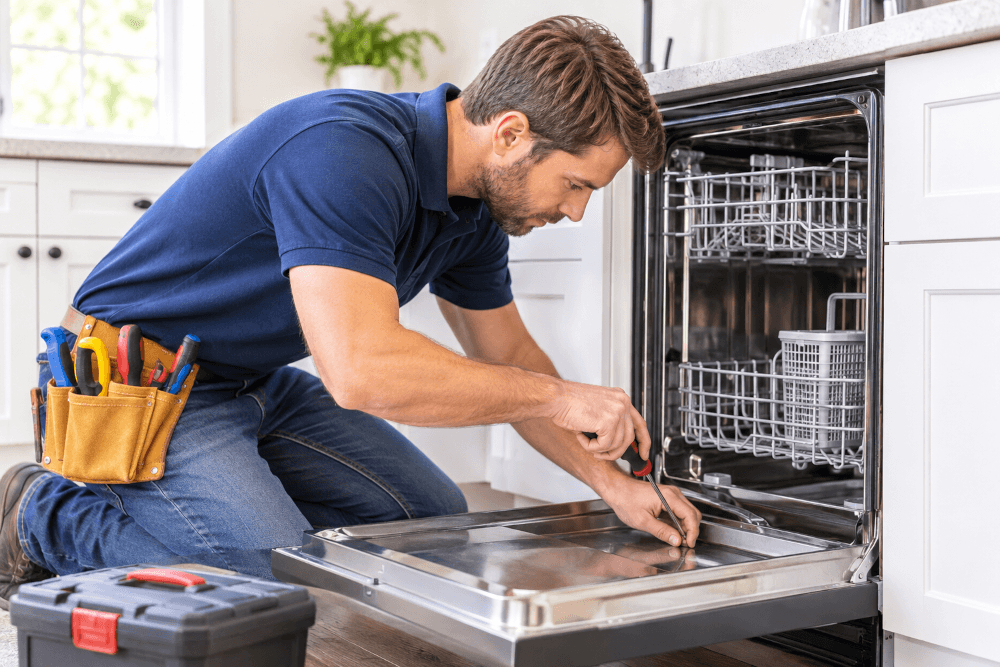
What happens when the refrigerator suddenly stops cooling, the washing machine refuses to start, or the kitchen sink begins leaking? These problems can quickly interrupt everyday routines, especially when living in a rented apartment.
When household essentials stop working properly, renters often face two questions: What can they safely check themselves, and when should they contact their landlord?
Understanding a few basic checks can help tenants identify common problems, avoid unnecessary damage, and report maintenance issues more clearly.
Start With Basic Checks Before Reporting a Problem
Not every household malfunction means something needs replacing. Sometimes, an incorrect setting, blocked filter, or disconnected plug can explain why equipment has stopped working.
Before requesting repairs, renters can perform a few simple checks without opening equipment or touching internal components.
Check Electrical Connections and Settings
If an appliance suddenly stops responding, begin with the obvious possibilities.
- Check whether the plug is securely connected.
- Test the outlet using another small, working device if there are no signs of electrical damage.
- Confirm that the appliance settings are correct.
- Look for error messages on the display.
- Check whether a door or lid is properly closed.
If an outlet is hot, damaged, or producing sparks, stop using it and report the problem immediately. Never attempt electrical repairs without proper qualifications.
Look for Visible Damage or Blockages
Some household problems have easily identifiable causes. A washing machine may stop draining because its accessible filter is blocked, while a refrigerator may struggle to maintain its temperature when its door seal is dirty or damaged.
Check accessible areas according to the manufacturer's instructions. Avoid removing panels, disconnecting plumbing, or attempting repairs that could damage rented equipment.
What to Check When Common Household Appliances Fail
Kitchen and laundry appliances are among the household essentials renters depend on regularly. Knowing which symptoms to look for makes it easier to explain the problem accurately.
Different appliances require different checks, and some warning signs call for immediate professional attention.
Refrigerator Not Cooling Properly
A refrigerator that feels unusually warm can put stored food at risk.
Start by checking the temperature setting, door seal, and whether food containers are blocking internal air vents. Confirm that the door closes completely.
If cooling does not improve, notify the landlord rather than attempting to access the appliance's internal cooling components.
Washing Machine or Dishwasher Problems
When a washing machine refuses to start, check the door closure, selected cycle, and any error message.
For dishwashers, inspect the accessible filter and confirm that dishes are not preventing the spray arms from moving.
Persistent leaks, unusual noises, or repeated failures require further attention. Professional service providers such as ProStar Appliance Repair are examples of the appliance repair solution that may be relevant when a landlord arranges an inspection or repair.
Tenants should obtain approval before booking repairs for landlord-owned equipment.
How to Identify Plumbing and Heating Problems
Not every household issue involves an electrical appliance. Plumbing and heating problems can affect daily comfort and sometimes require urgent attention.
Recognising early warning signs helps renters report problems before they become more serious.
Check for Leaks and Drainage Issues
Look beneath sinks, around toilet bases, and near exposed plumbing connections.
Watch for:
- Water collecting beneath cabinets.
- Slow drainage in sinks or showers.
- Persistent dripping from taps.
- Unusual dampness around walls or floors.
Small leaks should not be ignored because continued moisture can damage flooring and cabinets.
Recognise Heating and Hot Water Problems
If the heating stops working, check the thermostat setting and whether other rooms are affected.
For missing hot water, determine whether the problem affects one tap or the entire apartment.
In Massachusetts, landlords must maintain rental housing according to minimum habitability standards, including applicable heating, plumbing, and hot water requirements. Report these issues promptly rather than attempting heating-system repairs.
When Should Renters Contact Their Landlord?
Renters should report problems when basic checks fail, equipment becomes unsafe, or essential services are interrupted. Clear communication can help landlords arrange the appropriate maintenance service.
A useful maintenance request should include the location, symptoms, when the problem started, and any safe checks already completed.
Document Problems Before Requesting Repairs
Take photographs or short videos showing visible faults. Keep copies of maintenance requests and written responses.
Review the rental agreement to understand which appliances are included and how repairs should be requested. In Massachusetts, landlords generally have obligations concerning habitability and landlord-provided equipment, while tenants must use household facilities responsibly.
Gas smells, sparking outlets, major leaks, or suspected carbon monoxide exposure require immediate safety action and appropriate emergency assistance.
Conclusion
When household essentials stop working properly, renters should begin with safe, basic checks and pay attention to warning signs.
Checking settings, identifying visible problems, documenting faults, and contacting the landlord promptly can prevent confusion and unnecessary damage.
Most importantly, knowing when to stop troubleshooting helps tenants protect their safety, belongings, and rented home.