After the September 1 Move: Document and Report Rental Appliance Problems
If you moved on September 1 along with what felt like half the city, the apartment's appliances probably got about ten seconds of attention somewhere between the rental truck and the pizza. That's worth fixing in your first week. When the fridge drawer cracks in February, the first question will be whether it was already cracked when you got the keys, and a dated photo settles that faster than anyone's memory.
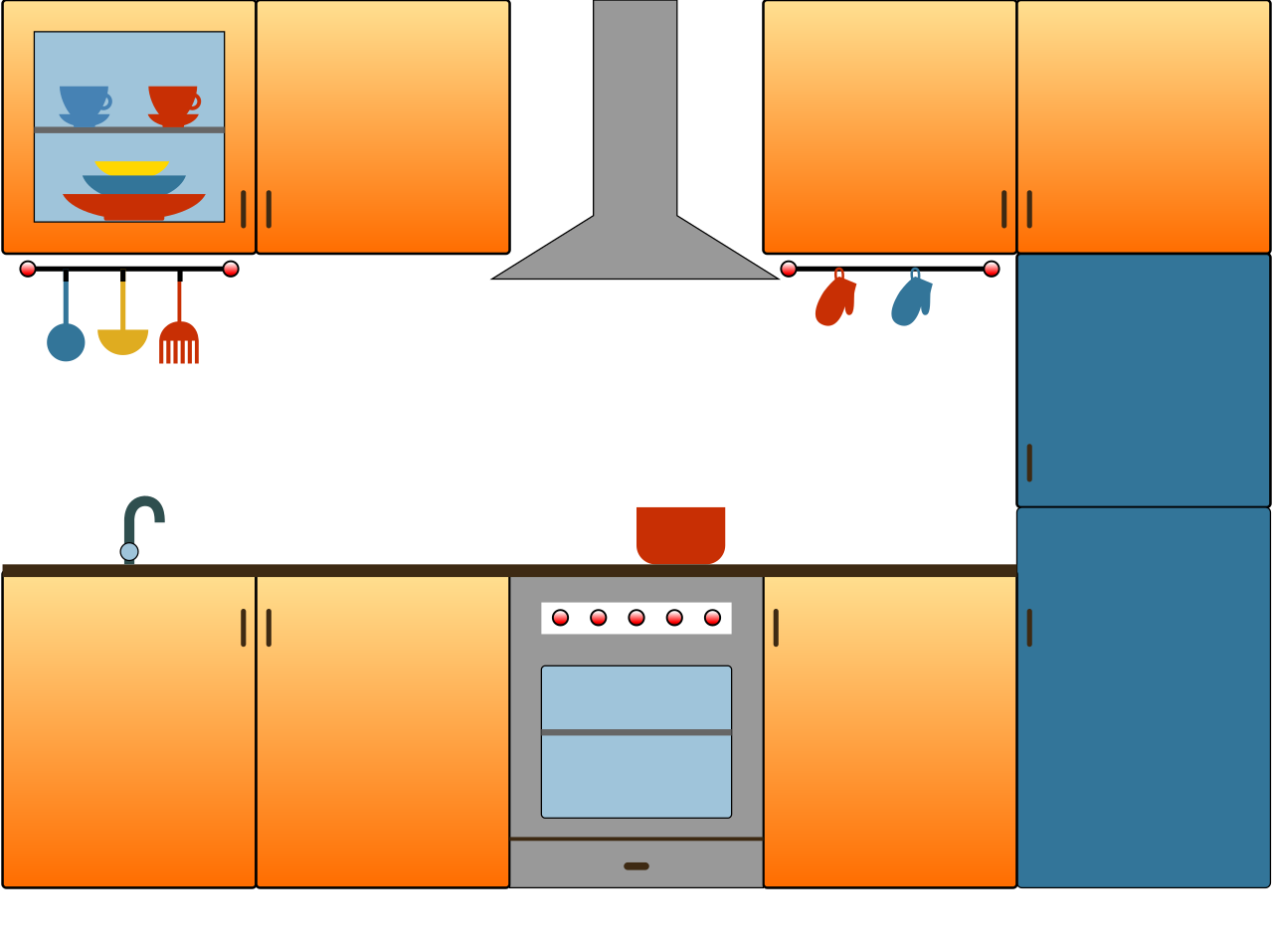
Illustration: MScharwies, "Kitchen.svg", Wikimedia Commons, CC BY 4.0
What should I photograph on move-in day?
Every appliance that came with the unit: fridge, stove, dishwasher, microwave, and the washer and dryer if they're in the apartment or the basement. Shoot the inside and the outside. Open the drawers and crisper bins. Get the door gaskets, the burners, and the model sticker (inside the fresh-food compartment on most fridges, along the edge of the door on most dishwashers).
Look for the small stuff: a missing shelf, a burner that won't light, a cracked door bin, a water stain under the sink. Email the photos and a short list to your landlord or management company so there's a date on it, and keep a copy. If your landlord took a security deposit, you may also get a statement of condition form. Fill it in carefully and send it back.
Who pays when something breaks?
That depends on your lease and on who owns the appliance. If it came with the apartment, repairs are typically the landlord's job, and most leases explain how to report them. If you brought the mini fridge or the window AC, that one is yours. Read the maintenance section of the lease and ask the manager how repairs actually get handled. Don't hire someone yourself and count on being reimbursed unless you have that in writing. For questions about your rights in a specific situation, a tenant organization or the city's housing offices can point you in the right direction.
How do I write a repair request that gets results?
Write something a person could act on without calling you back. Name the appliance and where it is, say what it's doing and when it started, and mention whether water, heat or anything electrical is involved. Attach a photo or a short video.
Repair technicians everywhere start from the same three facts: the model number, what the machine is doing, and how they'll get into the unit. That's true whether the call goes to a shop in Dorchester or to Starchenko Appliance Repair in South Florida. Hand your landlord those three things up front and the visit can be booked on the first try.
Something like this works:
The dishwasher in the kitchen leaked along the bottom of the cabinet during last night's cycle. I've stopped using it. Photos of the wet floor and the error code are attached, and the model sticker reads [model number]. I'm home after 5 p.m. on weekdays. Please let me know the next step and how you'd like to arrange entry.
Keep the reply. If things get worse, answer on the same thread so the whole history stays in one place.
What if there's water on the floor?
Stop the cycle, close the valve under the sink if you know which one it is, and call the emergency maintenance line rather than sending an email to the general inbox. Stay away from any outlet or cord the water has reached. Move rugs and boxes, then photograph the floor and the cabinet base.
In an older building with hardwood floors and a neighbor right below you, speed matters. The EPA's moisture guidance recommends drying wet materials within 24–48 hours to help prevent mold. If the cabinet bottom or floorboards are still damp after the puddle is gone, tell management in writing. Give your downstairs neighbor a heads-up too. A ceiling stain is easier to deal with early.
How do I handle the repair visit?
Agree on a time through the usual channel and confirm it in writing. Mention pets, a broken buzzer or a fourth-floor walk-up. Clear a path to the appliance, and empty the sink cabinet if it's a dishwasher job. Don't unplug things, disconnect hoses or empty the fridge until someone tells you what's needed. If you have roommates, make sure they know the machine is off-limits until it's fixed.
What can I safely do myself?
The routine stuff: clean the dryer lint screen, wipe the fridge gaskets, scrub the stovetop, rinse the dishwasher filter if it pops out. Anything involving tools, panels, replacement parts or gas lines goes through the landlord.
When the repair is done, check it, then write down what was fixed and whether the original problem is really gone. Drop it in the same folder as your move-in photos. By the time the lease is up you'll have a clear record of every appliance in the place, which tends to make the deposit conversation a lot shorter.