Defending Rental Operations With Cybersecurity and IT Support
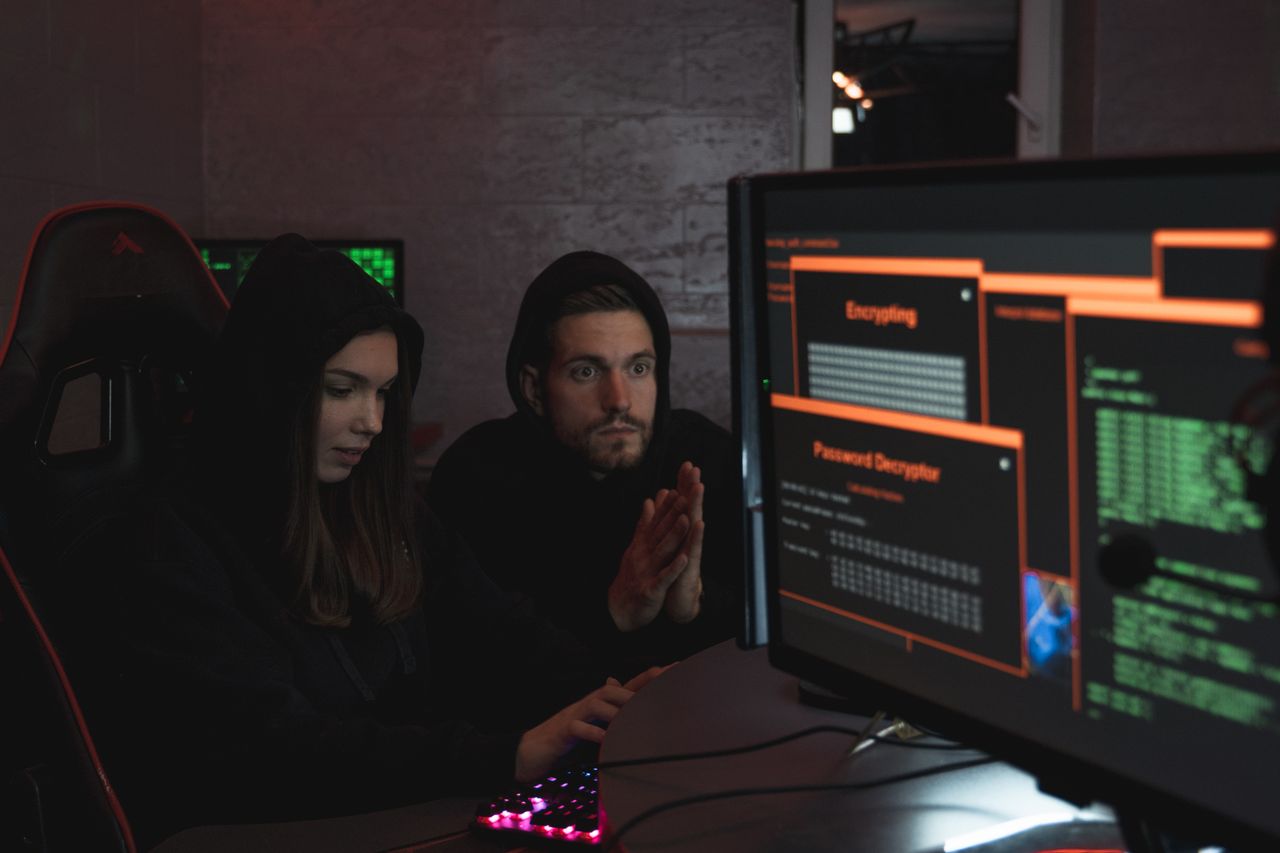
The Growing Importance of Cybersecurity in Rental Operations
In today's increasingly digital world, rental property management companies are more reliant than ever on technology to streamline operations, communicate with tenants, and manage financial transactions. However, this digital dependency also exposes rental businesses to a growing array of cybersecurity threats. From data breaches to ransomware attacks, cybercriminals are continuously evolving their tactics to exploit vulnerabilities in rental operations, putting sensitive tenant information and business continuity at risk.
The real estate and rental sectors have not been immune to these challenges. According to a 2023 report by IBM, the average cost of a data breach in the real estate industry has climbed to $5.85 million, emphasizing the substantial financial impact of inadequate cybersecurity. This figure reflects not only direct costs, such as legal fees and regulatory fines, but also indirect costs like reputational damage and lost business opportunities. Given these stakes, rental operators must implement comprehensive cybersecurity and IT support strategies to protect their assets and maintain tenant trust.
Moreover, cyberattacks targeting the real estate sector have increased by 45% over the past two years, underscoring the urgency for rental companies to bolster their defenses. This surge is driven by the valuable personal and financial data handled by rental operations, making them prime targets for cybercriminals.
Many rental businesses are choosing to secure IT with Gravity Systems as part of their cybersecurity strategy. This partnership allows property managers to leverage specialized expertise tailored to the unique challenges of rental operations, including compliance with data privacy laws such as the GDPR and CCPA, as well as defense against the latest cyber threats.
Understanding Cyber Threats in Rental Property Management
Rental property management systems handle a wealth of sensitive data, including tenant personal information, payment details, lease agreements, and vendor contracts. Cybercriminals target these systems through various methods, such as phishing scams designed to trick employees into revealing credentials, ransomware attacks that lock operators out of critical systems until a ransom is paid, and direct data breaches aimed at stealing confidential information.
The emergence of Internet of Things (IoT) technology in rental properties has introduced new vulnerabilities. Smart apartment devices-such as connected locks, thermostats, and security cameras-offer convenience and energy savings but also expand the attack surface for cyber threats. Without strong cybersecurity protocols, these IoT devices can be exploited as gateways into the broader rental management network, leading to potential data leaks or operational disruptions.
Compounding these risks is the fact that many rental property management companies operate with limited in-house IT expertise, making them attractive targets for cybercriminals who assume they lack robust defenses.
Proactive Cybersecurity Measures for Rental Operations
To effectively defend against cyber threats, rental companies need a multi-faceted approach that addresses technology, people, and processes. Regular risk assessments help identify vulnerabilities and prioritize remediation efforts. Employee training is critical to reduce the risk of social engineering attacks by educating staff on recognizing phishing attempts and practicing safe data handling.
Data encryption-both at rest and in transit-ensures that even if data is intercepted or accessed unlawfully, it remains unintelligible to unauthorized users. Additionally, implementing strong access controls and multi-factor authentication add layers of defense against unauthorized system access.
In the rental industry, hiring GroupOne IT provides dedicated IT support that focuses on optimizing property management software platforms, tenant portals, and cloud services. These experts not only enhance system security but also improve operational efficiency by minimizing downtime and supporting seamless tenant interactions.
The Critical Role of Expert IT Support
While technology solutions are vital, the human element of IT support plays an equally important role in securing rental operations. Managed IT service providers offer continuous system monitoring to detect suspicious activities in real-time, reducing the window of opportunity for attackers. They also ensure that software and security patches are applied promptly, closing vulnerabilities before they can be exploited.
The value of proactive IT support is reflected in industry statistics. The Ponemon Institute found that organizations with mature cybersecurity frameworks reduce the average time to detect and contain data breaches by 27%, which translates into significant cost savings and less operational disruption. Furthermore, 60% of small and medium-sized businesses that suffer a cyberattack go out of business within six months due to the lack of adequate IT support and recovery plans.
Building Tenant Confidence Through Cybersecurity
Tenant trust is foundational to the success of any rental business. Data breaches or cyber incidents can erode this trust, leading to tenant dissatisfaction, negative reviews, and ultimately, higher vacancy rates. Demonstrating a robust commitment to cybersecurity reassures tenants that their personal and financial information is handled with the utmost care.
Rental companies can enhance tenant confidence by implementing multi-factor authentication for tenant portals, securing online payment systems with encryption, and using secure communication channels for maintenance requests and notifications. According to a survey by the National Multifamily Housing Council, 78% of renters consider data security an important factor when selecting a property to lease. This statistic highlights the growing expectation among tenants for rental operators to prioritize cybersecurity.
Moreover, transparent communication about cybersecurity measures and incident response plans can further strengthen tenant relationships. Providing tenants with clear information on how their data is protected and what steps the company takes in case of a breach builds confidence and loyalty.
The Financial and Operational Benefits of Investing in Cybersecurity
Although establishing robust cybersecurity and IT support systems requires upfront investment, the long-term benefits far outweigh the costs. Preventing even a single cyber incident can save rental companies millions in recovery expenses, regulatory penalties, and lost rental income due to service disruptions.
Moreover, strong cybersecurity frameworks contribute to smoother daily operations by minimizing system outages and ensuring reliable access to critical management tools. This operational resilience enables property managers to focus on delivering excellent tenant experiences rather than firefighting IT crises.
The Ponemon Institute also reports that companies with effective cybersecurity measures experience a 27% reduction in breach detection and containment times, which directly reduces the financial and reputational damage associated with cyberattacks. Additionally, organizations with dedicated IT support see a 40% improvement in system uptime, further emphasizing the operational advantages of investing in expert IT services.
Future-Proofing Rental Operations in an Evolving Cyber Threat Landscape
As cyber threats continue to evolve, rental property management companies must stay vigilant and adaptive. This means continuously updating cybersecurity policies, investing in employee education, and embracing emerging technologies that enhance security without compromising usability.
Collaborating with IT support specialists who understand the rental industry landscape is crucial for staying ahead of threats. These experts can provide tailored solutions such as automated vulnerability scanning, incident response planning, and compliance audits to ensure rental operations remain secure and aligned with regulatory requirements.
Furthermore, integrating artificial intelligence (AI) and machine learning tools can help detect anomalous activities faster and predict potential threats before they materialize, giving rental companies a proactive edge in cybersecurity defense.
By proactively defending their digital infrastructure today, rental businesses position themselves to thrive in an increasingly interconnected and technology-driven market.
Conclusion
In an era where digital threats are increasingly sophisticated and pervasive, rental property management companies must prioritize cybersecurity and IT support to safeguard their operations and tenants. Implementing a comprehensive defense strategy-including regular risk assessments, employee training, data encryption, and expert IT partnerships-is essential for mitigating risks and minimizing the impact of cyber incidents.
By choosing trusted partners to and engaging dedicated IT support providers who, rental operators can build resilient systems that protect sensitive data, ensure operational continuity, and foster tenant trust. Investing in these critical measures today will not only prevent costly breaches but also strengthen the foundation for sustainable growth and success in the rental industry's digital future.