The ROI of Going Green: Why Sustainable Upgrades Are High-Yield Real Estate Investments
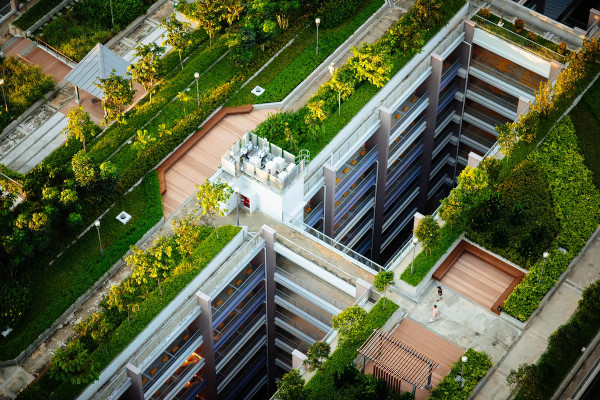
Ever wonder why some properties sell faster and command premium prices while others languish on the market? The answer increasingly lies in their energy efficiency and environmental features. Sustainable upgrades deliver measurable financial returns alongside environmental benefits, transforming buildings into high-performing assets that attract premium buyers and tenants while slashing operating costs.
Understanding the Financial Appeal of Green Upgrades
Sustainable real estate investments generate returns through multiple channels. Lower utility expenses create immediate savings, while enhanced property values deliver long-term gains. The combination of reduced operational costs and increased market desirability makes green upgrades particularly attractive compared to purely cosmetic renovations.
Property buyers and renters increasingly prioritize energy efficiency and environmental responsibility. This shift in preferences means buildings with sustainable features command higher prices and rental rates. The gap between conventional and green-certified properties continues to widen as awareness grows.
High-Impact Upgrades with Strong Returns
Energy-Efficient Systems
Installing high-performance HVAC systems reduces energy consumption substantially. Modern heating and cooling equipment operates more efficiently than older models, cutting monthly utility bills while improving indoor comfort. These systems often qualify for rebates and incentives that reduce upfront costs.
Solar energy systems represent one of the most powerful investments in property sustainability. Having solar panels can lower utility bills and boost long-term savings through reduced electricity purchases and potential feed-in tariffs. Many markets also offer tax credits or subsidies that accelerate payback periods.
Building Envelope Improvements
Upgrading insulation delivers exceptional returns relative to investment. Proper insulation in walls, attics, and floors prevents heat transfer, reducing the workload on heating and cooling systems. This translates to lower energy bills year-round and improved occupant comfort.
High-performance windows and doors eliminate drafts and reduce thermal loss. Double- or triple-glazed windows with low-emissivity coatings block heat transfer while allowing natural light. Though initial costs exceed standard windows, the energy savings and increased property value justify the investment.
Water Conservation Features
Low-flow fixtures and efficient irrigation systems reduce water consumption without sacrificing functionality. Dual-flush toilets, aerating faucets, and smart sprinkler controllers cut water bills while supporting environmental stewardship. These relatively inexpensive upgrades appeal strongly to cost-conscious buyers and tenants.
Rainwater harvesting systems offer additional savings in areas with suitable rainfall patterns. Collecting and storing rainwater for irrigation or non-potable uses reduces municipal water dependency and associated costs.
Why Traditional Payback Calculations Miss the Full Picture
Traditional payback calculations often underestimate the true value of sustainable upgrades. These improvements deliver multiple benefits that compound over time:
Durability and lifecycle savings:
- Quality sustainable materials typically outlast conventional alternatives
- Metal roofing lasts decades longer than standard asphalt shingles
- Reduced maintenance and replacement costs over the property's lifetime
Health and comfort advantages:
- Better ventilation systems and non-toxic materials improve indoor air quality
- Moisture control reduces health issues and increases occupant satisfaction
- For commercial properties, this translates to higher productivity and lower tenant turnover
Market positioning:
- Properties with documented sustainable features sell faster and at higher prices
- Third-party certifications like LEED, BREEAM, or Passive House standards provide credible verification
- The rental market shows similar patterns, with tenants willingly paying premium rates
These benefits don't just add up. They multiply.
Financing Advantages and Incentives
Green mortgages and energy-efficient financing programs offer favorable terms for sustainable properties. Lenders recognize that lower utility costs improve debt service coverage ratios, reducing default risk. Some programs provide reduced interest rates or higher loan-to-value ratios for certified green buildings.
Government incentives further improve project economics. Tax credits, rebates, and grants offset initial investment costs, shortening payback periods. Many jurisdictions also offer expedited permitting for projects meeting sustainability criteria, reducing soft costs and construction timelines.
Strategic Timing and Planning
Implementing sustainable upgrades during major renovations or tenant turnovers maximizes cost efficiency. Combining green improvements with necessary repairs spreads labor costs across multiple projects and minimizes disruption.
Prioritizing upgrades based on return potential ensures optimal capital allocation. Energy audits identify the most impactful opportunities, allowing property owners to focus resources where they'll generate the greatest savings. Quick-win improvements like LED lighting and programmable thermostats provide immediate returns that fund larger projects.
Future-Proofing Against Regulatory Changes
Building codes increasingly mandate higher energy performance standards. Here's what you need to know:
Regulatory advantages:
- Properties already meeting or exceeding requirements avoid costly retrofits when regulations tighten
- This protects property values and prevents obsolescence
- You're investing ahead of the curve rather than playing catch-up
Market mechanisms:
- Carbon pricing and energy disclosure requirements create additional incentives
- Markets implementing carbon taxes or mandatory energy ratings favor efficient buildings
- The value gap between high and low performers continues to widen
The Competitive Advantage in Different Property Types
Residential Properties
Homeowners view sustainable features as quality indicators that signal overall property condition. Energy-efficient homes appeal to budget-conscious buyers and environmentally aware purchasers alike. Smart home integration with energy management systems adds modern appeal that resonates with younger buyers.
Commercial Buildings
Office tenants increasingly demand sustainable workspaces that align with corporate environmental commitments. Buildings offering green certifications help tenants meet their own sustainability goals, creating strong leasing appeal. Lower operating costs also allow landlords to offer competitive rates while maintaining healthy margins.
Multi-Family Housing
Apartment buildings benefit particularly from efficiency upgrades because landlords often pay utilities. Reducing these expenses directly improves net operating income. Even in tenant-paid scenarios, lower utility costs reduce turnover and support premium positioning.
Long-Term Value Creation
Sustainable properties demonstrate superior resilience during economic fluctuations. Lower operating costs provide a buffer during downturns, while environmental credentials maintain market appeal. This stability protects investment value across market cycles.
The growing pool of institutional investors focused on environmental, social, and governance criteria creates strong exit opportunities. These buyers actively seek sustainable assets, supporting valuations and providing liquidity.
Taking Action: Your Implementation Roadmap
Here's how to get started with sustainable upgrades that'll pay off:
- Get professional assessments. Energy audits, water efficiency studies, and building envelope evaluations provide data-driven insights that guide your investment decisions. You can't improve what you don't measure.
- Develop a phased implementation plan. Balance immediate gains with long-term value creation. Quick payback projects generate cash flow that funds more substantial improvements, creating a self-reinforcing cycle of enhancement.
- Focus on high-impact upgrades first. Not all improvements deliver equal returns. Start with changes that offer the best combination of cost savings, property value increases, and tenant appeal.
- Document everything. Maintain records of upgrades, certifications, and energy savings. This documentation proves value to future buyers and supports premium pricing.
- Stay informed about incentives. Tax credits, rebates, and financing programs change regularly. Working with specialists ensures you capture every available benefit.
Sustainable upgrades represent smart financial decisions that align profit with environmental responsibility. The combination of reduced costs, increased income, and enhanced property values creates compelling returns that strengthen over time. Property owners who recognize this opportunity position themselves advantageously in an evolving market that increasingly rewards sustainability.