How to Design an Apartment or Home That Actually Works for the Way You Live
There is a version of interior design that exists purely for photographs. Perfectly styled shelves, furniture arranged for the shot, surfaces cleared of anything that suggests a real person lives there. It looks incredible on a screen and feels completely wrong to live in.
The other version, the one worth pursuing, starts from a different question entirely. Not "what looks good?" but "what works for us?" As Whispering Bold has explored before in its approach to thoughtful design, the homes that hold up over time are the ones built around how people actually live.
Design Around Behavior, Not Aspirations
Most decorating mistakes happen when people design for the life they imagine rather than the life they actually have. You buy a beautiful white sofa because you love how it looks, not because you have two dogs and a toddler. You create a formal dining room that gets used four times a year and resent the space the rest of the time.
Start by observing how you actually move through your home. Where do bags and keys land when you walk in the door? Where does the family naturally gather? Which rooms feel comfortable and which feel like they belong to someone else? Design that solves for real behavior creates homes that feel easy to live in and genuinely personal.
Every Room Needs a Purpose and a Hierarchy
Good interior design gives every room a clear primary function and a visual anchor. The anchor might be a fireplace, a large piece of art, a standout light fixture, or an architectural feature. Once you know what the room is anchored to, every other decision becomes easier because you are building toward something specific rather than accumulating pieces that seem nice individually.
Layering is the discipline that separates rooms that feel considered from rooms that feel assembled. Furniture establishes the foundation. Rugs define zones within a room. Lighting creates mood and depth. Textiles and objects bring personality. When these layers build on each other intentionally, the result feels curated rather than decorated.
Sustainability Has Become Part of Good Design
The most thoughtful interiors in 2026 are also increasingly conscious of where materials come from and how a home consumes energy. Reclaimed wood, natural fibers, locally made ceramics, and low-VOC paints are no longer niche choices. They are mainstream, accessible, and visually beautiful. As noted by Dezeen and leading architecture publications, the notion that sustainability compromises luxury has been definitively overturned, with eco-conscious choices now defining the most respected interiors in the world.
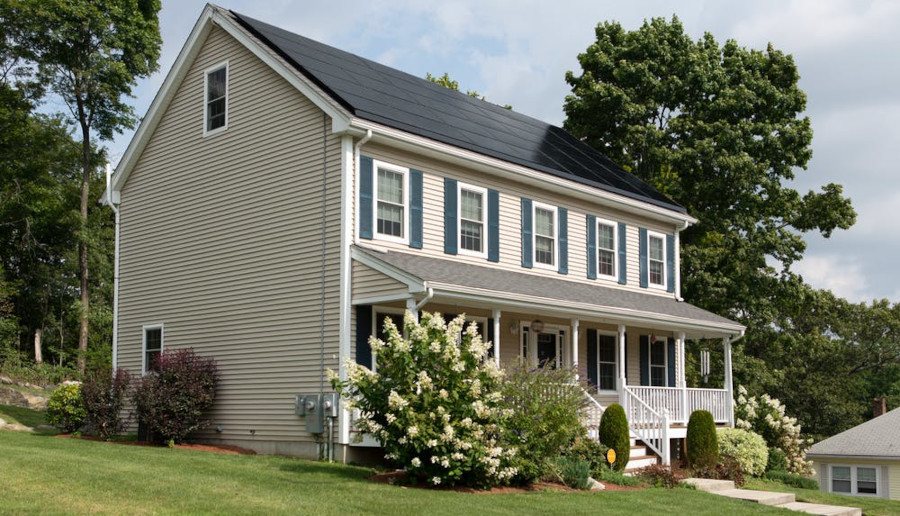
The same thinking extends to how a home is powered. More homeowners are considering solar panels not just as a practical investment but as a considered design decision, one that aligns the values of the household with the systems running behind the walls.
"Solar integration has become a much smoother process than most homeowners expect," said Andrew Hoesly, GM at SolarTech. "The technology has advanced to where panels sit far more cleanly on a roofline than they used to, and for homeowners who care about sustainability as part of their overall design ethos, it is a natural fit."
Pairing solar with smart home systems, energy-efficient appliances, and natural materials creates a home that performs as well as it looks.
Imperfection Is Part of the Story
The homes that feel most alive are the ones that show evidence of a life being lived. A stack of well-loved books, a chair that has been recovered twice, art bought on a trip rather than chosen to match a color palette. These are the details that make a home irreplaceable rather than interchangeable.
Resist the pressure to finish a home all at once. The best interiors are built slowly, over years, as taste develops and life changes. Give yourself permission to leave walls bare, sit with a space before filling it, and hold out for the piece that is actually right rather than settling for what is available.
Design for living. Because a home that looks perfect but feels wrong has missed the point entirely.