The Jacket That Keeps Up With a Toddler Who Never Stops Moving
Toddlers rarely stay in one place for very long. A simple trip to the park can involve running, climbing, exploring, sitting on the ground, and quickly moving on to something new. Their clothing needs to accommodate this changing activity rather than become something parents have to adjust every few minutes. Choosing an everyday jacket therefore involves more than colour or appearance; comfort, fit, and ease of movement all deserve attention.
Outerwear also needs to fit into the practical parts of family life. Parents may need to help a child get dressed before nursery, remove an extra layer when entering a warm building, or put it back on before heading outside. A garment that makes these small transitions easier can become a useful part of a toddler's regular wardrobe. It should work with the child's routine instead of making an already busy day more complicated.
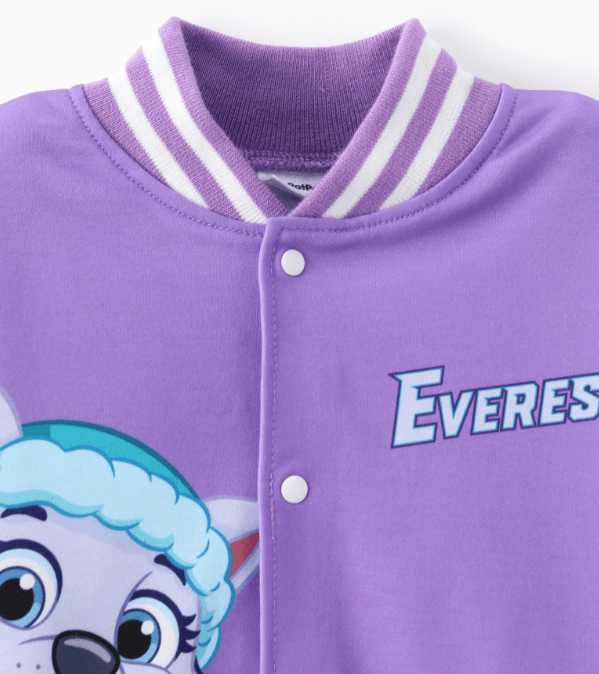
When comparing a boys varsity jacket, parents can consider how its shape, fastening, and overall construction suit an active child. However, not every jacket is designed for the same conditions or activity level. Looking carefully at fit and product information helps families choose a suitable option for everyday outings, playtime, and changing weather.
A Toddler's Routine Is a Better Starting Point Than Appearance
A toddler's day can include several different activities within a short period. Getting ready at home, travelling to nursery, playing outdoors, and visiting family all place slightly different demands on clothing. A jacket that looks suitable while a child is standing still may feel less practical when they start reaching, bending, or running around. Parents should therefore think about how the garment will be used throughout the day rather than judging it only by its appearance.
It is useful to consider where the child spends most of their time. A toddler who regularly visits playgrounds may need clothing that allows comfortable movement, while a child who spends more time indoors may benefit from an outer layer that can be removed easily. The weather matters too, particularly when mornings and afternoons have different temperatures. Understanding these routines helps parents avoid choosing a garment that is unsuitable for the child's usual activities.
Freedom of Movement Matters During Everyday Play
Toddlers use their arms and legs constantly as they explore their surroundings. They may reach for toys, hold an adult's hand, climb low steps, or crouch to examine something on the ground. A jacket that feels restrictive around the shoulders or sleeves can make these ordinary movements uncomfortable. Parents should check that the garment allows the child to move naturally without pulling tightly across the body.
Fit should be considered with the clothing underneath as well. A jacket may be worn over a T-shirt on a mild day or over another suitable layer when the weather becomes cooler. If the fit is already tight, adding another garment can make movement more difficult. On the other hand, an excessively loose jacket may become awkward during active play. The aim is to find a comfortable balance that gives the child enough room without creating unnecessary bulk.
Make Getting Dressed a Shorter Part of the Day
Getting a toddler ready can sometimes take longer than expected. Children may become distracted, resist having their sleeves adjusted, or want to do everything independently. A garment with a manageable opening can help make dressing less complicated. Parents should look at the actual fastening design and consider whether their child can use it with a little assistance or manage it independently as their coordination develops.
The same consideration applies when taking a jacket off. A toddler may enter a warm nursery, classroom, shop, or family home and need an extra layer removed. If the garment is easy to open, the transition can be more straightforward. Parents can also practise simple dressing routines at home, encouraging children to put their arms through the sleeves and help with the fastening. These small habits gradually build confidence and make everyday routines more predictable.
PatPat's Purple Zip-Front Hooded Layer for Active Days
A supplied PatPat product image shows a purple zip-front hooded layer with long sleeves, ribbed cuffs, a ribbed lower hem, and two visible front pockets. Its simple colour and design can be considered for casual everyday outfits, and the front zipper is a visible feature that may make opening and closing the garment straightforward. The image shows the garment worn over a basic top, giving parents a visual example of how it can be combined with everyday clothing. Since the supplied reference is an image rather than a full product listing, its fabric composition, care instructions, warmth level, and durability cannot be confirmed from the photograph alone.
Choose Clothing That Can Handle More Than One Setting
A toddler may leave home wearing a jacket and spend the next part of the day indoors. Later, the family might visit a playground or take a short walk before returning home. This movement between environments makes adaptable clothing useful. Rather than choosing an outfit for only one activity, parents can plan a combination that works across several parts of the child's schedule.
An outer layer should also work with the child's usual everyday clothes. Simple colours and familiar designs can be easier to combine with different tops and trousers. Parents may want to consider whether the jacket will be suitable for nursery, family outings, and casual weekend activities. A garment that fits into several situations may be worn more regularly than one selected for a very specific occasion. The individual product's construction and care details should still guide the final decision.
Boy Jacket Choices Should Reflect the Child's Needs
When browsing a toddler boy jacket, parents can compare different styles according to the child's age, usual activities, and local weather. Some designs may be more appropriate for mild conditions, while others may be intended for colder days. The category name alone does not establish how warm a garment is or which materials have been used. Reading the individual product description is the best way to understand what a particular option offers.
It is also worth considering how often the child will wear the garment. A jacket used for nursery and regular outings may need to fit into a more frequent laundry routine than an occasional outer layer. Parents should check the stated care instructions before purchasing and consider whether the garment suits their household's practical needs. Size information deserves equal attention because toddlers grow quickly, and a comfortable fit today may not remain suitable throughout the entire season.
Look Beyond the First Few Weeks of Wear
Parents often buy children's outerwear at the beginning of a season, but the garment may be used for several months. During that time, the child's routine, activity level, and clothing size can change. A jacket that initially feels comfortable may become restrictive as the child grows. Checking the fit periodically helps families identify when sleeves, shoulders, or the body of the garment no longer allow comfortable movement.
The condition of a garment also depends on how it is used and maintained. Toddlers may wear their outerwear during trips to the park, nursery journeys, and everyday family activities. However, it would be inaccurate to assume that every jacket can withstand the same level of wear. Parents should review the fabric and construction details provided by the retailer, follow the care label, and check the garment regularly for signs of damage. These habits help families make sensible decisions about continued use.
Prepare for Outdoor Play Without Overdressing
Cool weather can make parents feel that adding several layers is always the safest choice. Yet toddlers are often more active than adults expect, especially when they are running and playing. A combination that feels comfortable while waiting outside may become too warm once the child starts moving. Parents should consider the temperature, activity, and time spent outdoors when deciding how many layers are appropriate.
A simple approach is to begin with comfortable everyday clothing and add a suitable outer layer according to the conditions. If the child enters a heated building, the jacket can be removed when appropriate. Before going back outside, parents can check whether another layer is needed. This flexible routine avoids relying on one heavy garment for every situation and allows the outfit to change as the child's surroundings change.
Small Practical Details Make Family Outings Easier
A toddler's jacket is only one part of getting ready to leave home. Parents also need to think about shoes, bags, snacks, and other items that accompany a child during an outing. Clothing that is straightforward to put on and remove can help reduce the time spent preparing. It can also make unexpected stops easier, particularly when a child becomes tired or wants to change activities.
Keeping outerwear in a consistent place can make a difference too. A jacket stored near the entrance is easier to find when the family is leaving, while a designated hook or bag space can help prevent it from being misplaced after an outing. Parents can gradually encourage toddlers to recognise their own clothing and help put it away. These simple routines support independence while making daily family organisation a little easier.
Choose a Jacket That Fits Real Life
The most useful outerwear is not necessarily the most elaborate or expensive option. For an active toddler, a comfortable fit, manageable fastening, and suitability for the intended weather are more meaningful considerations. Parents should also look at the garment's material, construction, and care information rather than relying on appearance alone. These details help establish whether a product is appropriate for the child's everyday routine.
A thoughtful choice can make school or nursery mornings, family visits, and outdoor play easier to manage. By considering the child's movement, dressing habits, and changing environments, parents can select clothing that fits naturally into everyday life. A toddler may never stop exploring, but the right clothing choices can help parents spend less time adjusting outfits and more time enjoying those busy little adventures.