What Documents Do You Actually Need to Sell Your House?
Selling a house is exciting, and it also comes with a lot of paperwork. If you have never sold a home before, the list of documents can feel overwhelming. Do not worry, though, once you know what to gather and why each paper matters, the whole process becomes a lot more manageable. This guide walks you through every key document you will need, so you can get to closing day without any last-minute scrambling.
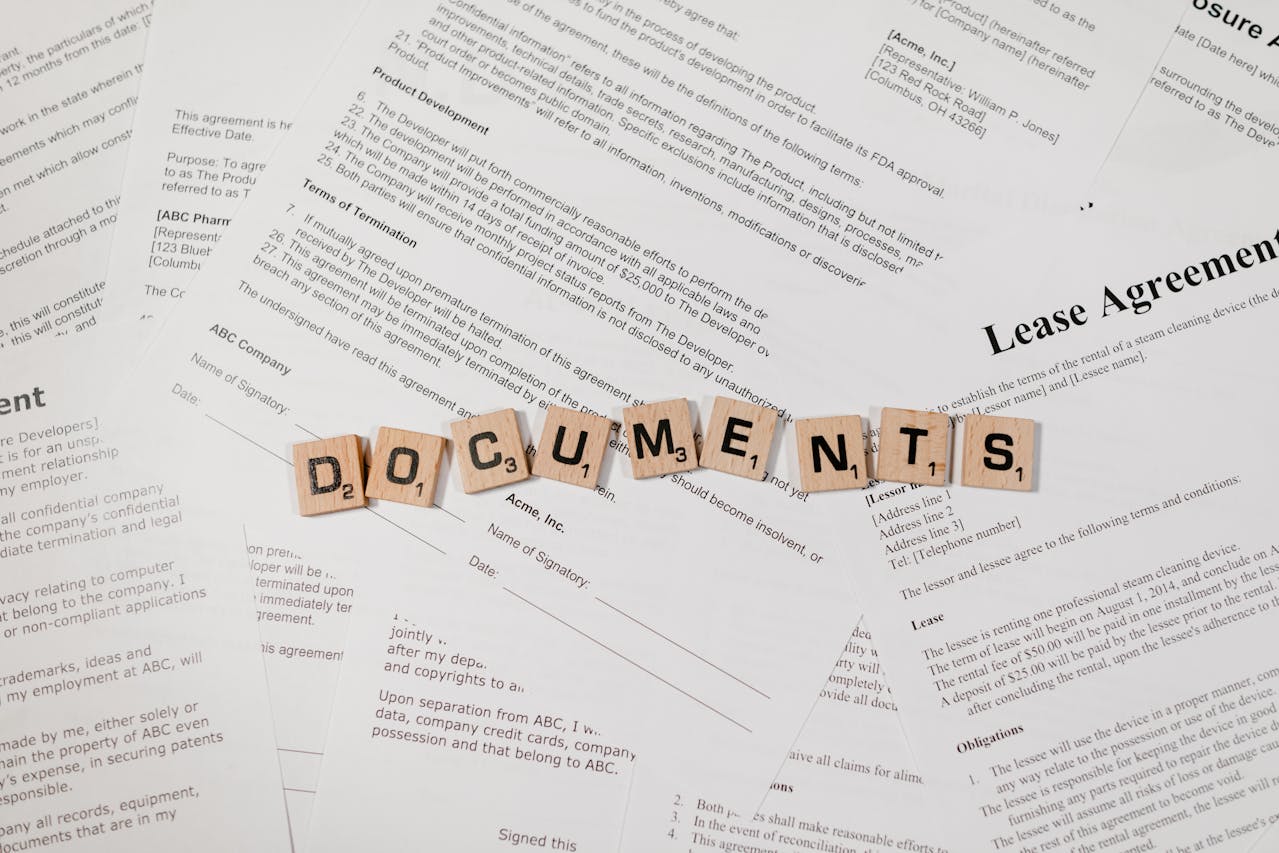
Document No. 1: Proof You Actually Own the Place
This one sounds obvious, yet it trips up a surprising number of sellers. You need to prove that you are the legal owner of the property before you can sell it. Your original deed is the main document here. It should have your name on it and describe the property clearly. If you cannot find it, you can usually get a copy from your county recorder's office.
A title report is also part of this stage. A title company will pull this together, and it shows the full ownership history of your home. It also flags any liens, easements, or claims that could hold up the sale. Getting this sorted early saves a lot of headaches down the road.
If your home is part of an HOA, you may also need to show your HOA documents, including any fees or assessments owed. Buyers want to know exactly what they are stepping into, and lenders often require this information too.
Document No. 2: Disclosures You Are Required to Share
Every state has different rules about what sellers must disclose, so it is a good idea to check local requirements. In most places, you are required to tell buyers about any known issues with the property. This includes things like water damage, foundation problems, roof repairs, pest infestations, or anything else that could affect the value or livability of the home. If you work with a company such as Your Choice Home Buyer, they often handle many of these disclosure requirements as part of their process, which can simplify things for sellers who want a faster, stress-free transaction.
Disclosure forms protect you as a seller, too. If you fill them out honestly and something still goes wrong after closing, you have a paper trail showing you acted in good faith. Skipping or fudging disclosures can lead to lawsuits, so never take shortcuts here.
Document No. 3: Your Mortgage Payoff Statement
If you still owe money on your home, your lender needs to be paid off at closing. To make that happen, you will need a mortgage payoff statement. This document tells you the exact amount you owe, including any interest that has accrued up to the expected closing date. Contact your lender a few weeks before closing to request this.
Keep in mind that payoff amounts change daily because of interest. Make sure the date on your payoff statement lines up with your closing date, or ask for an updated one if things get delayed. A mismatch here can cause confusion and delays at the closing table.
Document No. 4: Property Tax Records
Buyers and their lenders often want to see recent property tax records. These show what taxes have been paid and whether there are any outstanding balances. You can usually pull these from your county assessor's website or request a copy from your local tax office.
If your property taxes are paid through an escrow account with your mortgage, your lender can help clarify what is owed and what has already been covered. This becomes part of the closing settlement, where taxes are prorated between you and the buyer based on the date of sale.
Having clean, up-to-date tax records ready also signals to buyers that you are an organized and trustworthy seller. It removes one more potential sticking point from the negotiation process and helps everyone move forward with confidence.
Document No. 5: Home Inspection and Repair Records
Buyers almost always order a home inspection before finalizing a purchase. Having your own records of past inspections and repairs can speed this process up and build trust with buyers. If you replaced the roof, updated the HVAC system, or fixed plumbing issues, gather those receipts and warranties now.
Warranties that are transferable to new owners are particularly valuable. Things like appliance warranties, roof warranties, or new window installations can actually be a selling point. Showing buyers that the home has been well-maintained gives them confidence and may even reduce the amount they try to negotiate off the price.
If permits were pulled for any work done on the home, include those records, too. Unpermitted work can create major issues for buyers who want to get financing, so having documentation that everything was done properly and legally goes a long way.
Document No. 6: Closing Day Paperwork
At closing, you will sign a stack of documents that officially transfer ownership. This includes the deed (which you sign over to the buyer), the settlement statement (also called a closing disclosure), and any other forms your title company or attorney prepares. Make sure to bring a valid government-issued photo ID as well.
Review your closing disclosure at least a day or two before your actual closing date. It breaks down all the costs, credits, and fees involved in the transaction. If anything looks off, flag it with your agent or title company right away rather than trying to sort it out on the day of closing.
After everything is signed and funds are transferred, you hand over the keys. That is when the sale is officially complete. Getting all your documents organized ahead of time means closing day runs smoothly instead of becoming a stressful scramble at the last minute.
Start Gathering Papers Before You List
Selling a home involves more paperwork than most people expect, and that is completely okay once you know what is coming. From your deed and title report to disclosure forms, payoff statements, tax records, repair receipts, and closing documents, each one plays a specific role in getting your sale across the finish line. None of these is optional, and missing even one can delay or derail your closing.
The smartest thing you can do right now is start pulling these documents together, even if you are still weeks or months away from listing. Set up a folder, physical or digital, and start dropping things in as you find them. Talk to your lender, check in with your county offices, and dig out those old repair receipts. A little organization up front saves a lot of stress later. When everything is in order, selling your home becomes a far smoother and more confident experience. You will spend less time chasing paperwork and more time focusing on your next chapter.
Your Questions Answered
Q1: What is the most important document I need to sell my house?
Answer: The most important document is your original deed, which proves that you are the legal owner of the property. You may also need a title report, which shows the ownership history and any potential liens or claims against the property. Companies like Your Choice Home Buyer can often help guide you through these documents and ensure everything is for a smooth sale.
Q2: What disclosures am I required to share with buyers?
Answer: Every state has different rules, but generally, you must disclose any known issues with the property, such as water damage or foundation problems. Being honest in your disclosures protects you from potential lawsuits later on.
Q3: Why do I need a mortgage payoff statement?
Answer: If you still owe money on your home, the mortgage payoff statement shows the exact amount you owe your lender, including any interest accrued until closing. It's essential to get this document a few weeks before closing to avoid any confusion.
Q4: What documents should I prepare for closing day?
Answer: For closing day, you will need to sign the deed transferring ownership, the settlement statement, and any additional forms from your title company or attorney. Don't forget to bring a valid government-issued photo ID, too!